
Siyaram's Q2 FY27: sales up 15%, profit down 14% as stores expand
 By Simran KaurFashion Writer, Peepals Shakti
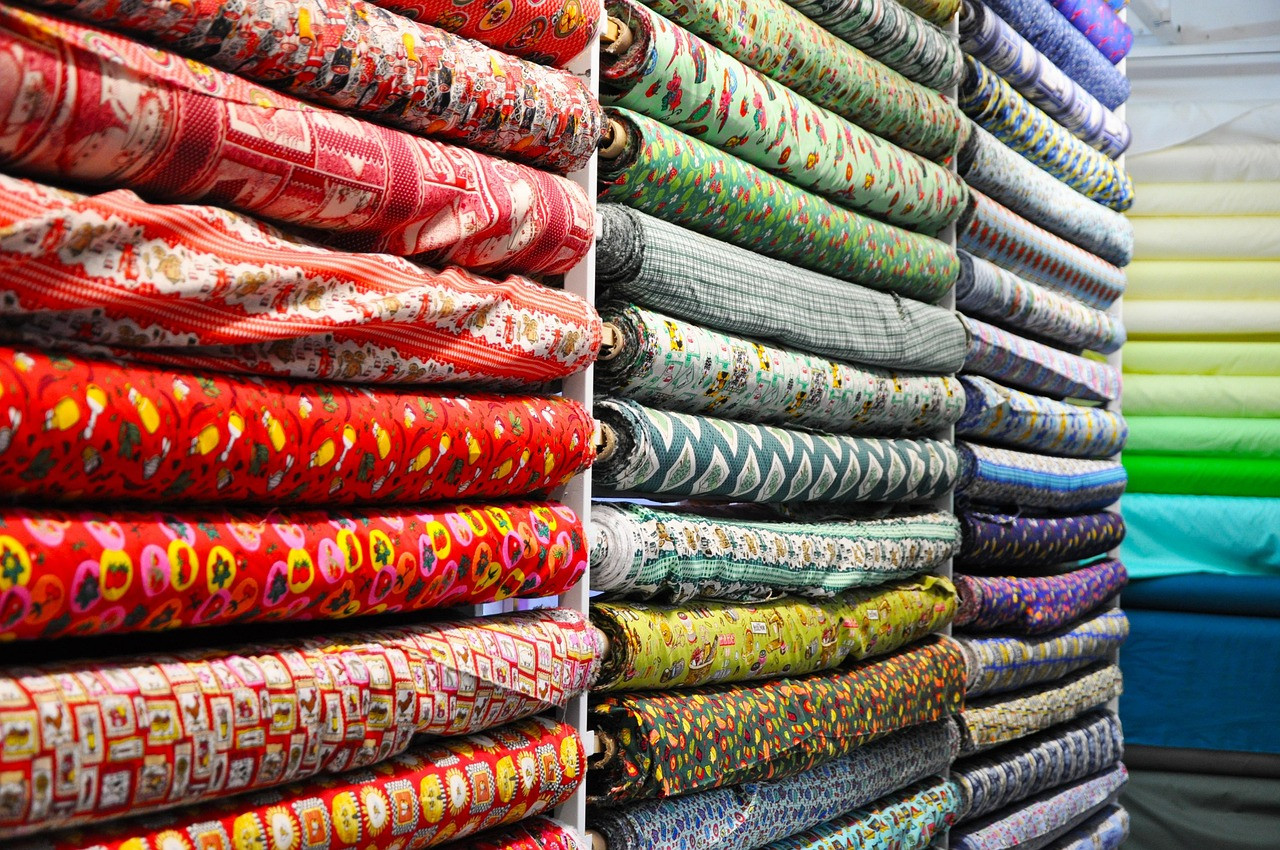
Representative image: eniast / Pixabay
Siyaram Silk Mills' Q2 FY27 revenue rose about 15% to Rs 813.5 crore while net profit fell 14% to Rs 74.5 crore, results of October 27, 2026 show.
What Happened
Siyaram Silk Mills, the Mumbai-based maker of suiting and shirting fabrics and readymade clothes, reported higher sales but lower profit for the July to September quarter of 2026 (Q2 FY27). Its board met on Tuesday, October 27, 2026 to approve the results. Consolidated revenue from operations rose about 15% to roughly Rs 813.5 crore, from Rs 705.6 crore a year earlier, while consolidated net profit fell about 14% to Rs 74.5 crore, from Rs 86.70 crore. The board also declared an interim dividend of Rs 4 a share.
Key Facts
- Company: Siyaram Silk Mills Ltd, a fabric and apparel company.
- Period: second quarter of 2026-27, ended September 30, 2026; results approved on October 27, 2026.
- Revenue from operations: about Rs 813.5 crore, up roughly 15% from Rs 705.6 crore a year earlier.
- Consolidated net profit: Rs 74.5 crore, down about 14% from Rs 86.70 crore.
- Earnings per share: Rs 16.42, against Rs 19.11 a year earlier.
- Operating profit (EBITDA, standalone): up about 8% to around Rs 131 crore; the margin slipped to about 15.8% from 16.8%.
- Dividend: first interim dividend of Rs 4 a share, 200% on a face value of Rs 2.
- Retail plan: about 70 stores across its ZECODE and DEVO formats by the end of FY27, the company has said.
Why It Matters
Siyaram is one of the best-known names in Indian menswear fabric. For decades it has sold suiting and shirting cloth through tailors and multi-brand shops across small towns and cities. Its results give a reading of how the traditional fabric business is doing, and of how such companies are trying to move closer to the young shopper who buys ready-to-wear clothes.
The quarter shows both sides of that shift. Sales grew at about 15%, a strong pace for a fabric company in a quarter before the main festive and wedding season. But profit fell. According to an analysis of the company's filing, operating profit grew more slowly than revenue and the margin narrowed by about one percentage point, with higher finance costs also weighing on the bottom line. In plain terms, the company sold more but kept less of each rupee it earned.
Part of the reason is the cost of building shops. Siyaram has been opening its own stores under two names. ZECODE is a value fast-fashion format aimed at Gen Z shoppers, with large stores of about 6,000 to 10,000 square feet and a focus on South India. DEVO is its second retail format. Fast fashion means clothes designed, made and replaced quickly, so that stores carry new styles every few weeks. Opening such stores needs money up front for rent, fit-outs and stock, and they usually take time to break even. The company has said it plans to reach about 70 stores across the two formats by the end of 2026-27 and to fund the rollout from its own earnings.
For the fashion industry, this matters because it shows an established textile house trying to compete with fast-fashion chains for younger buyers rather than relying only on fabric sold through tailors. Whether that bet pays off will depend on whether the new stores can raise their sales per square foot fast enough to lift margins.
| Measure (Q2) | Q2 FY27 | Q2 FY26 |
|---|---|---|
| Revenue from operations | about Rs 813.5 crore | Rs 705.6 crore |
| Consolidated net profit | Rs 74.5 crore | Rs 86.70 crore |
| Earnings per share | Rs 16.42 | Rs 19.11 |
Impact
Short-term: Shareholders on the record date will receive the Rs 4 interim dividend. The lower profit shows the near-term cost of the retail push, and the October to December quarter, which includes the festive and wedding season, will be the next test.
Long-term: If ZECODE and DEVO stores mature, Siyaram could rely less on the slower-growing fabric trade and more on its own branded retail, which normally earns higher margins once stores are established. If they do not, the expansion could keep pressure on profits.
Who is affected: Siyaram's shareholders and employees, the tailors and multi-brand retailers who sell its fabric, young shoppers in South Indian cities where ZECODE stores are opening, and rival fast-fashion chains.
Key Takeaway
Siyaram's Q2 FY27 shows a fabric house in transition: sales up about 15%, profit down about 14%, as it spends to build its own fast-fashion stores.
Questions and Answers
What were Siyaram's Q2 FY27 results?
For the quarter ended September 30, 2026, Siyaram Silk Mills reported revenue from operations of about Rs 813.5 crore, up roughly 15%, and consolidated net profit of Rs 74.5 crore, down about 14% from Rs 86.70 crore.
Did Siyaram declare a dividend?
Yes. On October 27, 2026 the board declared a first interim dividend of Rs 4 a share, which is 200% on the Rs 2 face value.
What is ZECODE?
ZECODE is Siyaram's value fast-fashion store format aimed at young, Gen Z shoppers, with large stores mainly in South India. Together with its DEVO format, the company plans about 70 stores by the end of 2026-27.
Why did Siyaram's profit fall when sales rose?
According to the filing as analysed, operating profit grew more slowly than revenue and finance costs rose, so the profit margin narrowed, partly reflecting the cost of the company's retail expansion.
Disclaimer: Prepared by the Peepals newsroom from publicly available sources with AI assistance. Information is accurate to the best of our knowledge at the time of publication and may change. Images may be representative. Not professional advice. Report an error via our contact page.
By Simran Kaur, Fashion WriterCovers Fashion and more for Peepals Shakti. All stories by Simran Kaur
Dolores Huerta, United Farm Workers co-founder, dies at 96
Arvind Q2 FY27: revenue up 23% to Rs 2,919 crore; textile margins squeezed
Get the day's stories in your inbox
Peepals Weekly: the week decoded, free. One email a week, unsubscribe in one click.
Simran Kaur is a pen name of the Peepals Global Editorial Team, which researches, fact-checks and publishes every story. The portrait is an illustration.