
Zegna Q3 revenue rises 8.9% as Thom Browne label slips
 By Simran KaurFashion Writer, Peepals Shakti
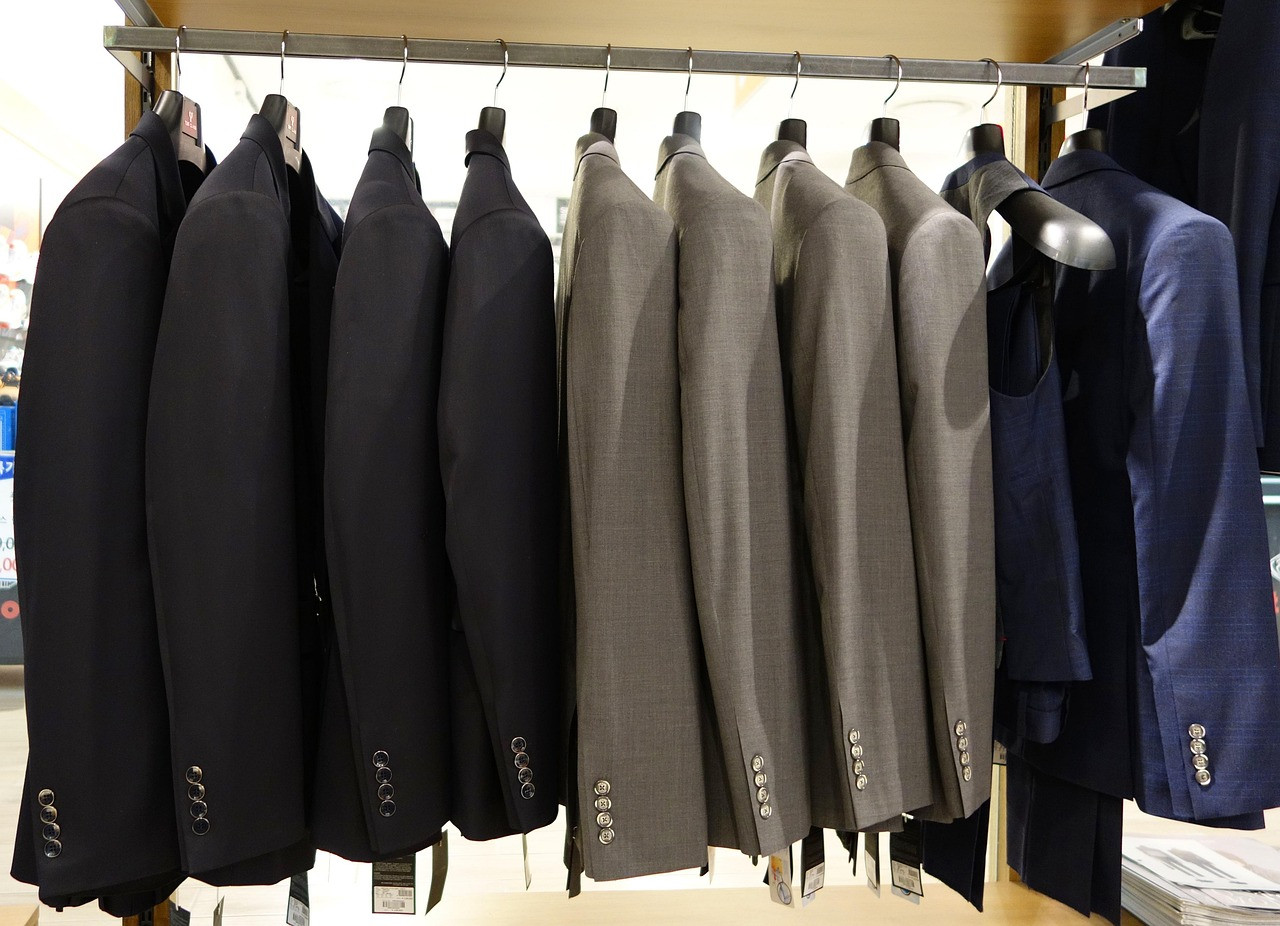
Representative image: fudowakira0 / Pixabay
Zegna Group's third-quarter revenue rose 8.9% to €433.8 million, it said on October 22, 2026, led by its namesake brand, while Thom Browne fell 5.9%.
What Happened
The Ermenegildo Zegna Group, the Italian luxury house that owns the ZEGNA, TOM FORD FASHION and Thom Browne labels, reported on October 22, 2026 that its unaudited revenue for the third quarter rose 8.9% from a year earlier to €433.8 million. On an organic basis, which strips out currency swings and any businesses bought or sold, growth was 8.2%. The group said the gain was led by its own shops and websites, where direct-to-consumer sales rose 13%, and by the Americas, while the Thom Browne label shrank for another quarter.
Key Facts
- Group revenue, July to September 2026: €433.8 million, up 8.9% reported and 8.2% organic.
- Nine months to September 2026: €1,421.1 million, up 7.2% reported and 8.9% organic.
- ZEGNA brand: €283.8 million in the quarter, up 13.8% (12.7% organic), the main source of growth.
- TOM FORD FASHION: €69.6 million, up from €66.0 million a year earlier (5.4% reported, 5.5% organic); wholesale grew 9% and its own stores 4% on an organic basis.
- Thom Browne: €45.4 million, down 5.9% (7.4% organic), which the company linked to weak demand from aspirational shoppers in Greater China and a planned cut in wholesale accounts.
- By region: the Americas brought in €138.3 million (up 14%), Europe, the Middle East and Africa €161.4 million (up 6.9%) and Greater China €84.1 million (up 8.7%).
- Direct-to-consumer sales, through the group's own stores and online, grew 13% year on year.
Why It Matters
The figures stand out because much of the luxury industry is going the other way. LVMH, the world's largest luxury group, reported earlier in October that organic sales in its fashion and leather goods division fell 5% in the third quarter, a sharper drop than analysts had expected, with weaker demand in China weighing on results. Against that backdrop, a mid-sized group growing close to 9% shows that shoppers are still spending on certain kinds of luxury.
The split inside the group explains where that spending is going. The ZEGNA brand, which sells tailoring, knitwear and casual menswear at the top of the price range, grew fastest. Thom Browne, a younger and more fashion-driven label, depends more on what the industry calls aspirational shoppers: middle-class buyers who stretch to buy a single luxury item. Those buyers have cut back most sharply, especially in China, and the label's decline shows it.
The other theme is control over selling. Luxury groups have been moving away from department stores and multi-brand shops, which they call wholesale, towards their own boutiques and websites, where they keep the full margin and control how products are displayed and discounted. Zegna's 13% growth in that channel, and its decision to trim Thom Browne's wholesale accounts, follow the same path. At TOM FORD FASHION, by contrast, wholesale grew faster than the label's own stores in the quarter.
The regional figures also matter. The Americas have become the group's strongest market: over nine months the region brought in €440.7 million, up 17.8% on an organic basis. The Middle East returned to double-digit growth in the third quarter, according to the company. Greater China grew more slowly, at 5.7% organic in the quarter and 6.5% over nine months, with Thom Browne the main drag there.
For people building fashion businesses, including in India, the quarter is a useful case study: the parts of the group that sell directly to customers grew, while the label most dependent on stretched, trend-led buyers shrank.
| Group | Q3 2026 revenue | Change (reported) | Change (organic) |
|---|---|---|---|
| ZEGNA brand | €283.8 million | +13.8% | +12.7% |
| TOM FORD FASHION | €69.6 million | +5.4% | +5.5% |
| Thom Browne | €45.4 million | -5.9% | -7.4% |
| Whole group | €433.8 million | +8.9% | +8.2% |
Impact
Short-term: The quarter confirms that Zegna is outperforming much of the luxury sector in 2026, mainly because its namesake brand and its own stores are growing quickly. Thom Browne remains the weak spot, and the company's decision to cut back wholesale accounts means its sales may keep shrinking for a while before the label stabilises.
Long-term: The results add to evidence that luxury is splitting into two groups: labels aimed at the wealthiest buyers, which are still growing, and trend-led labels that depend on aspirational shoppers, which are struggling. Groups that sell mainly through their own channels appear likely to keep an advantage while demand in China stays uneven.
Who is affected: Shareholders of the New York-listed group; staff and suppliers of its three brands; department stores and multi-brand retailers that carry Thom Browne; and designers and fashion entrepreneurs, including in India, who study how big houses balance growth with control over pricing and distribution.
Key Takeaway
Zegna grew quarterly revenue 8.9% to €433.8 million while much of luxury shrank, led by its namesake brand and its own stores, but the Thom Browne label fell 5.9%.
Questions and Answers
How much revenue did the Zegna Group report for the third quarter of 2026?
The Ermenegildo Zegna Group reported unaudited third-quarter revenue of €433.8 million on October 22, 2026, up 8.9% from a year earlier, or 8.2% on an organic basis that excludes currency effects and acquisitions.
Which brands does the Zegna Group own, and how did each perform?
It owns ZEGNA, TOM FORD FASHION and Thom Browne. In the quarter, ZEGNA grew 13.8% to €283.8 million, TOM FORD FASHION grew 5.4% to €69.6 million, and Thom Browne fell 5.9% to €45.4 million.
Why did Thom Browne's sales fall?
The company linked the decline to a difficult market for aspirational shoppers in Greater China and to its own decision to reduce the number of wholesale partners, such as department stores, that sell the label.
What does direct-to-consumer mean in the Zegna results?
It means sales through the group's own boutiques and websites rather than through other retailers. These sales grew 13% year on year in the third quarter, which the group highlighted as a key driver of growth.
Disclaimer: Prepared by the Peepals newsroom from publicly available sources with AI assistance. Information is accurate to the best of our knowledge at the time of publication and may change. Images may be representative. Not professional advice. Report an error via our contact page.
By Simran Kaur, Fashion WriterCovers Fashion and more for Peepals Shakti. All stories by Simran Kaur
Get the day's stories in your inbox
Peepals Weekly: the week decoded, free. One email a week, unsubscribe in one click.
Simran Kaur is a pen name of the Peepals Global Editorial Team, which researches, fact-checks and publishes every story. The portrait is an illustration.