
Supreme Court asks MeitY to add penalties for sharing court hearing videos
 By Karan BansalTech Startups Correspondent, Peepals Tech
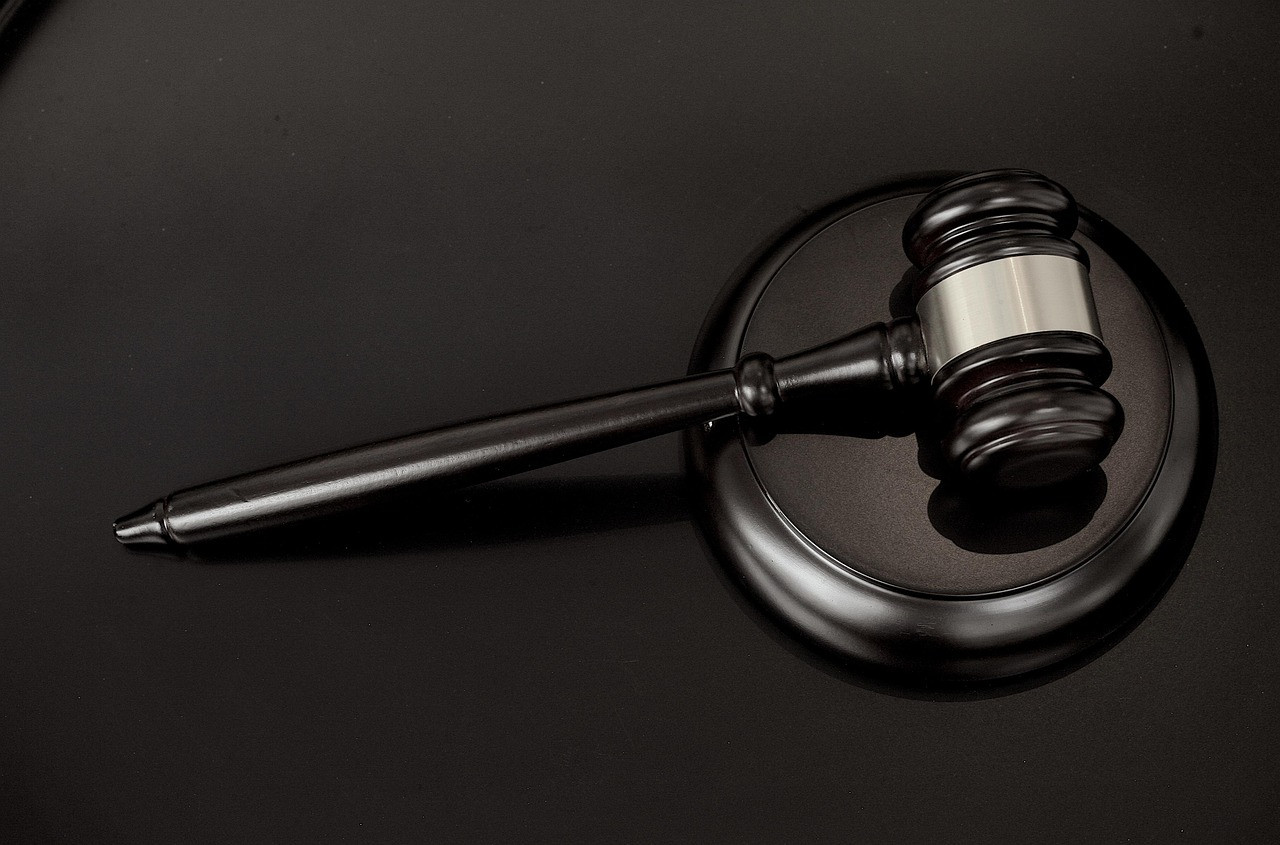
Representative image: sergeitokmakov / Pixabay
On October 30, 2026 the Supreme Court asked MeitY to include action against violators in its draft policy on unauthorised sharing of court hearing videos.
What Happened
The Supreme Court on Friday, October 30, 2026 asked the Ministry of Electronics and Information Technology (MeitY) to include action against violators in the policy it is drafting on the unauthorised sharing of videos of court hearings. A bench of Chief Justice of India Surya Kant and Justices Joymalya Bagchi and V. Mohana said the proposed policy should spell out the consequences for unauthorised use and circulation of courtroom recordings once it comes into force. The court was hearing a petition by Harshita Grover against the extraction, sharing and monetisation of clips from live-streamed court proceedings.
Key Facts
- Court: Supreme Court of India; bench of CJI Surya Kant and Justices Joymalya Bagchi and V. Mohana; hearing on October 30, 2026.
- Case: petition by Harshita Grover against unauthorised extraction, sharing and monetisation of court hearing videos.
- Existing order: an interim order of July 24, 2026 already bars posting, reposting, uploading, transmitting or storing court recordings on social media and digital platforms without prior permission; fair news reporting is not restricted.
- Solicitor General Tushar Mehta told the court MeitY is preparing the policy and has received suggestions from High Courts, lawyers and others.
- Mehta acknowledged that breaches are occurring and said "enforcement remained a challenge"; he also asked the court to consider takedown orders against offending content.
- Advocate Prashant Bhushan, for an intervenor, suggested that authenticated recordings be hosted on the Supreme Court's website "as the sole authorised source of courtroom footage".
- The policy is still being drafted; no final text has been made public.
Why It Matters
Live-streaming of court hearings was meant to make justice more open, letting citizens, students and journalists watch proceedings without being in the courtroom. But it has also created a new kind of content. Short clips of judges' remarks or lawyers' arguments are cut from the streams and shared on social media, often without context, sometimes with misleading captions, and in some cases on channels that earn money from the views. The petition before the court targets exactly that practice.
The court's direction matters because a ban without consequences is hard to enforce. The July interim order already prohibits unauthorised posting, but the government's own law officer has admitted that breaches continue. By asking MeitY to write penalties into its policy, the court is pushing for rules that platforms and creators can be held to, rather than a general instruction that is widely ignored.
For technology platforms and digital creators, this is a significant development in India's content regulation. MeitY's policy could set out who can share court footage, what permission is needed and how takedowns will work. Reports say permission would have to come from the Supreme Court's Secretary General or the relevant High Court's Registrar General, though it is not yet clear how this will be formalised. The court has kept fair news reporting outside the restriction, which will be an important line to watch in the final text.
Prashant Bhushan's suggestion points to a technical solution: if authenticated recordings sit only on the court's own website, viewers could check any clip against the official source, making doctored or misleading versions easier to spot.
| Point | Position |
|---|---|
| Interim order, July 24, 2026 | No posting or sharing of court recordings without permission; fair reporting allowed |
| Hearing, October 30, 2026 | MeitY policy must include action against violators |
| Government's view | Enforcement is a challenge; takedown orders suggested |
| Intervenor's suggestion | Court website as sole authorised source of footage |
| Status | Policy still being drafted |
Impact
Short-term: MeitY will need to add enforcement provisions to its draft. Social media platforms may face more takedown requests for court clips, and creators who post such clips risk action under the existing order.
Long-term: The final policy could become the main rulebook for how court proceedings are shared online in India, balancing open justice against misuse. It may also influence how other public proceedings that are streamed live are treated.
Who is affected: Social media platforms and content creators; journalists and legal news services, who rely on the fair reporting exception; law students and the public who watch live streams; and judges and lawyers whose words appear in viral clips.
Key Takeaway
On October 30, 2026 the Supreme Court told MeitY to include penalties in its upcoming policy against unauthorised sharing of court hearing videos, as the government admitted that breaches of the July ban are continuing.
Questions and Answers
What did the Supreme Court say about court hearing videos on October 30, 2026?
A bench led by CJI Surya Kant asked MeitY to include action against violators, and the consequences of unauthorised use and circulation, in the policy it is drafting on sharing courtroom recordings.
Is it illegal to share Supreme Court hearing clips on social media?
An interim order of July 24, 2026 bars posting, reposting, uploading, transmitting or storing recordings of court proceedings on social media and digital platforms without prior permission. Fair news reporting is not restricted.
Who is drafting the policy on court videos?
The Ministry of Electronics and Information Technology is preparing it and has received suggestions from High Courts, lawyers and other stakeholders, according to Solicitor General Tushar Mehta.
What was the case before the Supreme Court?
It is a petition by Harshita Grover challenging the unauthorised extraction, sharing and monetisation of videos of court hearings, which are streamed live for public viewing.
Disclaimer: Prepared by the Peepals newsroom from publicly available sources with AI assistance. Information is accurate to the best of our knowledge at the time of publication and may change. Images may be representative. Not professional advice. Report an error via our contact page.
By Karan Bansal, Tech Startups CorrespondentCovers Tech Start-ups & Stories and more for Peepals Tech. All stories by Karan Bansal
TRAI drafts responsible AI rules for telecom; comments due November 27
Waymo picks Toyota bZ4X as next robotaxi; Japan tests from 2027
Get the day's stories in your inbox
Peepals Weekly: the week decoded, free. One email a week, unsubscribe in one click.
Karan Bansal is a pen name of the Peepals Global Editorial Team, which researches, fact-checks and publishes every story. The portrait is an illustration.