
Flock Safety cameras: League City voters order removal in Texas referendum
 By Karan BansalTech Startups Correspondent, Peepals Tech
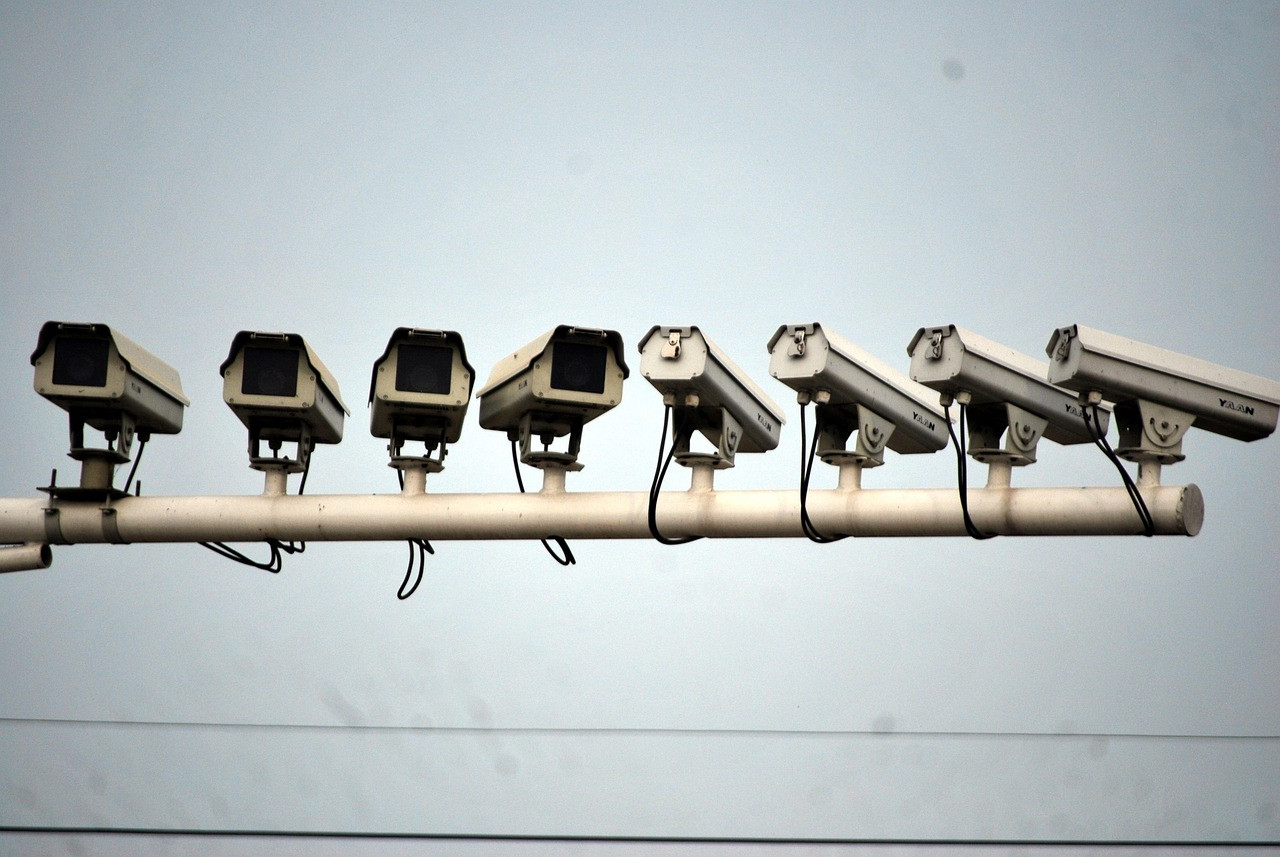
Representative image: PublicDomainPictures / Pixabay
Voters in League City, Texas, rejected police use of Flock Safety licence-plate cameras on 3 November 2026; the city has begun covering them before removal.
What Happened
Voters in League City, a city near Houston in Texas, rejected their police department's use of Flock Safety licence-plate cameras in a referendum on Tuesday, 3 November 2026. Unofficial results show a little under 54% of those who voted on the question, Proposition A, chose to stop using the cameras. On Thursday, 5 November, the city began covering the cameras after Mayor Nick Long asked staff to bag the fixed units along public roads straight away. The city council had earlier made the vote binding, and the cameras are to be removed within 72 hours of the official canvass of results at its meeting on 17 November.
Key Facts
- Vote: Proposition A in League City, Texas, on Tuesday, 3 November 2026, on whether police should keep using Flock licence-plate readers.
- Result (unofficial): about 54% for ending use and 46% for keeping the cameras; one count put it at 25,436 votes against the cameras and 21,673 for.
- Binding: the vote was first planned as advisory, but the city council voted in October to make the outcome binding.
- Timeline: removal within 72 hours of the official canvass at the council meeting on Tuesday, 17 November 2026.
- Immediate step: from 5 November the city began bagging the cameras at fixed roadside locations, at the mayor's request.
- Data: officials said covering the cameras stops new collection; data already gathered is deleted from the police system after 30 days unless kept as evidence in an active case.
- Wider trend: a tracker counts about two dozen Texas cities and counties that have moved to remove licence-plate readers or end Flock contracts.
Why It Matters
Flock Safety is a US technology company, founded in Atlanta, that sells cameras which read vehicle number plates automatically and store the plate, time and place in a searchable database. Police use the system to look for stolen cars or vehicles linked to crimes. Critics worry about how widely that data is shared. In one case cited in earlier reporting, the city of Santa Cruz in California found its local camera data had been shared with Flock's national network without city officials knowing or intending it.
The company's business depends heavily on contracts with city governments and police departments. That is what makes League City's vote notable. Most decisions about Flock have been made by city councils or police chiefs. Here, residents voted directly, and the council chose in advance to treat the result as binding. Other cities considering similar contracts now have an example of voters, not officials, deciding the question.
Flock's position is that cancellations are a small part of its business. In response to earlier cancellations, it pointed to nearly 800 US cities that had voted to approve Flock contracts, and said it has made the controls for sharing data clearer for its customers. Supporters on the League City council also defended the system: council member Scott Higginbotham said the police department had seen no cases of the technology being abused.
The vote also shows what a start-up building tools for governments must plan for. Products that collect data about the public face local politics, state privacy laws and public opinion, not just a sales process. Earlier reporting counted at least 30 localities across the US that switched off Flock cameras or ended contracts between the start of 2025 and February 2026, citing data-sharing worries, immigration enforcement and state limits on sharing.
Peepals calculation: on the reported counts, 47,109 people voted on the question (25,436 + 21,673), so the side against the cameras won by 3,763 votes, or 54.0% to 46.0% (25,436 ÷ 47,109 ≈ 0.540). The canvass on 17 November comes 14 days after the vote, and the 72-hour window means the cameras must come down by 20 November at the latest. Our calculation from the reported figures.
| Step | Date |
|---|---|
| Referendum (Proposition A) | Tuesday, 3 November 2026 |
| City starts bagging cameras | Thursday, 5 November 2026 |
| Official canvass at council meeting | Tuesday, 17 November 2026 |
| Removal deadline (72 hours after canvass) | By Friday, 20 November 2026 |
Impact
Short-term: League City's fixed Flock cameras are covered and will be removed once the result is made official. The city's resolution also asks staff to deal with privately owned plate readers on city land, review existing Flock contracts and look at other uses for the public-safety money.
Long-term: if more cities put such contracts to a public vote, companies selling surveillance technology to governments may face slower sales and stricter terms on data sharing.
Who is affected: League City residents and drivers, the city police department, Flock Safety, and other cities in Texas and elsewhere that are deciding whether to keep similar cameras.
What to watch next: the official canvass of the result at the League City council meeting on 17 November 2026, which starts the 72-hour removal period.
Key Takeaway
League City voters chose on 3 November 2026, by about 54% to 46%, to end police use of Flock Safety's licence-plate cameras, and the city has begun covering them before removal after the 17 November canvass.
Questions and Answers
Why are Flock cameras being removed in League City?
Voters rejected Proposition A on 3 November 2026, which asked whether police should keep using Flock licence-plate readers. The council had made the vote binding, so the cameras will be removed after the result is made official.
What is Flock Safety?
Flock Safety is a US company, founded in Atlanta, that sells cameras which automatically read number plates and log where and when vehicles pass, for use by police and other customers.
When will League City's Flock cameras come down?
Within 72 hours of the official canvass of results at the city council meeting on 17 November 2026. The city began covering the cameras on 5 November.
What happens to the data already collected?
City officials said covering the cameras stops new collection. Data already in the police system is automatically deleted after 30 days unless it is being kept as evidence in an active case.
Disclaimer: Prepared by the Peepals newsroom from publicly available sources with AI assistance. Information is accurate to the best of our knowledge at the time of publication and may change. Images may be representative. Not professional advice. Report an error via our contact page.
By Karan Bansal, Tech Startups CorrespondentCovers Tech Start-ups & Stories and more for Peepals Tech. All stories by Karan Bansal
Amazon Uber Eats deal: Prime members get free delivery inside Amazon app
Block layoffs: second round hits Cash App, Square operations teams
Get the day's stories in your inbox
Peepals Weekly: the week decoded, free. One email a week, unsubscribe in one click.
Karan Bansal is a pen name of the Peepals Global Editorial Team, which researches, fact-checks and publishes every story. The portrait is an illustration.