
Tata Motors iRA app flaws: CERT-In flags data theft risk, urges update
 By Karan BansalTech Startups Correspondent, Peepals Tech
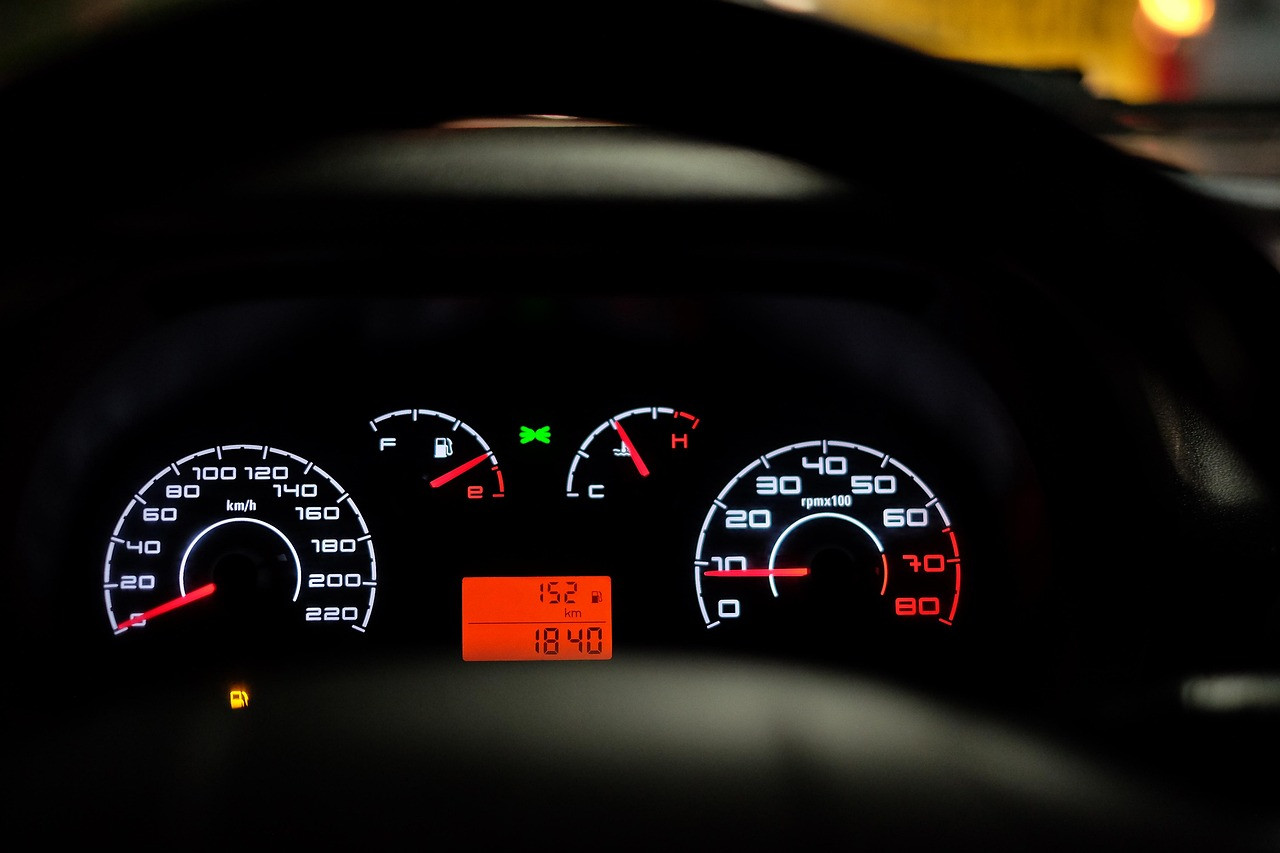
Representative image: Fotorech / Pixabay
CERT-In's 4 November 2026 advisory rates flaws in Tata Motors' iRA 2.0 and iRA.ev apps high severity; fixed versions 26.8.2 and 26.9.1 are available.
What Happened
The Indian Computer Emergency Response Team (CERT-In), the national agency for cyber security, has rated multiple vulnerabilities in Tata Motors' iRA 2.0 and iRA.ev connected-vehicle mobile apps as high severity, warning that they could allow data theft and user impersonation. The advisory, CIVN-2026-0537, was issued on Wednesday, 4 November 2026. It covers iRA 2.0 version 26.7.3 and below and iRA.ev version 26.7.2 and below, and asks users to upgrade to iRA 2.0 version 26.8.2 and iRA.ev version 26.9.1. Tata Motors said these fixed versions were already rolled out as mandatory updates in August and September 2026.
Key Facts
- Advisory: CERT-In vulnerability note CIVN-2026-0537, issued 4 November 2026, severity rated high.
- Apps: Tata Motors' iRA 2.0 and iRA.ev connected-vehicle apps.
- Affected versions: iRA 2.0 26.7.3 and below; iRA.ev 26.7.2 and below.
- Fixed versions: iRA 2.0 26.8.2 and iRA.ev 26.9.1.
- Flaw 1 (CVE-2026-121144): service account credentials, API keys and authorisation tokens embedded in the apps.
- Flaw 2 (CVE-2026-121145): weak checking of the web addresses and sources loaded inside the apps' built-in web viewer (WebView).
- Flaw 3 (CVE-2026-121146): login tokens written to app logs meant for development and debugging.
- Company response: mandatory updates rolled out in August (iRA 2.0) and September (iRA.ev) 2026, pushed automatically when the apps are opened, Tata Motors said.
Why It Matters
Connected-vehicle apps link a car owner's phone to the car and to the maker's servers. Through such apps, owners can typically check the car's location and status and use remote features. That makes the security of these apps important: a weakness can expose not just personal details but information about a vehicle and its owner's movements.
The three flaws CERT-In listed are of a familiar kind. "Hardcoded credentials" means secret keys and passwords were built into the app itself, where a skilled attacker who unpacks the app could find and misuse them to talk to the company's servers. A WebView is a small browser inside an app; if it does not properly check which web pages it loads, an attacker may be able to make it open a harmful page. And writing login "tokens", the digital passes that keep a user signed in, into debugging logs can let someone with access to those logs pretend to be that user.
CERT-In's advisory said these weaknesses could allow data theft and user impersonation. Severity scores for the individual flaws listed by trackers range from about 7.1 to 8.8 on a 10-point scale, though the figures differ by source and the US National Vulnerability Database's analysis was still pending. No report of the flaws being used in a real attack had been recorded, according to one vulnerability tracker.
The case also shows a gap between fixing and disclosing. Tata Motors says the corrected app versions were pushed in August and September 2026, while the public advisory came on 4 November. Users who have not opened their apps since then, or who block updates, may still be running older versions.
Peepals timeline: Tata Motors pushed iRA 2.0 version 26.8.2 as a mandatory update in August 2026 and iRA.ev version 26.9.1 in September 2026, according to the company. CERT-In issued advisory CIVN-2026-0537 on Wednesday, 4 November 2026, rating the flaws in older versions high severity. Reports on the advisory followed on 5 November 2026. The gap between the iRA 2.0 fix and the public advisory was about three months.
| App | Affected versions | Fixed version | Fix rolled out (company) |
|---|---|---|---|
| iRA 2.0 | 26.7.3 and below | 26.8.2 | August 2026 |
| iRA.ev | 26.7.2 and below | 26.9.1 | September 2026 |
Impact
Short-term: Owners of Tata Motors vehicles who use the iRA 2.0 or iRA.ev apps should check that they are on the fixed versions; opening the app should trigger the mandatory update, according to the company.
Long-term: The advisory adds to pressure on Indian carmakers to test connected-car apps for security before release, as more vehicles are sold with app-based features.
Who is affected: Tata Motors car and electric vehicle owners who use the iRA apps; Tata Motors' connected-vehicle and IT teams; and the wider automotive industry building similar apps.
Key Takeaway
CERT-In's 4 November 2026 advisory rates flaws in older Tata Motors iRA 2.0 and iRA.ev apps high severity; Tata Motors says fixed versions 26.8.2 and 26.9.1 were pushed earlier as mandatory updates.
Questions and Answers
What did CERT-In say about Tata Motors' iRA apps?
In advisory CIVN-2026-0537, issued on 4 November 2026, CERT-In rated multiple vulnerabilities in the iRA 2.0 and iRA.ev apps as high severity, warning they could allow data theft and user impersonation.
Which iRA app versions are affected?
iRA 2.0 version 26.7.3 and below, and iRA.ev version 26.7.2 and below.
How do I fix the Tata Motors iRA app vulnerability?
Update to iRA 2.0 version 26.8.2 or iRA.ev version 26.9.1. Tata Motors says these are mandatory updates pushed automatically when the app is opened.
Has anyone been attacked through these flaws?
No exploitation had been recorded, according to one vulnerability tracker, and CERT-In's note did not report any attack.
Disclaimer: Prepared by the Peepals newsroom from publicly available sources with AI assistance. Information is accurate to the best of our knowledge at the time of publication and may change. Images may be representative. Not professional advice. Report an error via our contact page.
By Karan Bansal, Tech Startups CorrespondentCovers Tech Start-ups & Stories and more for Peepals Tech. All stories by Karan Bansal
Sphota AI model: NeuroDX claims 240M model edges Liquid AI
Xbox PC app now launches up to 60% faster for Insiders
Get the day's stories in your inbox
Peepals Weekly: the week decoded, free. One email a week, unsubscribe in one click.
Karan Bansal is a pen name of the Peepals Global Editorial Team, which researches, fact-checks and publishes every story. The portrait is an illustration.