
Fractile raises $720 million for AI inference chips at $7 billion valuation
 By Karan BansalTech Startups Correspondent, Peepals Tech
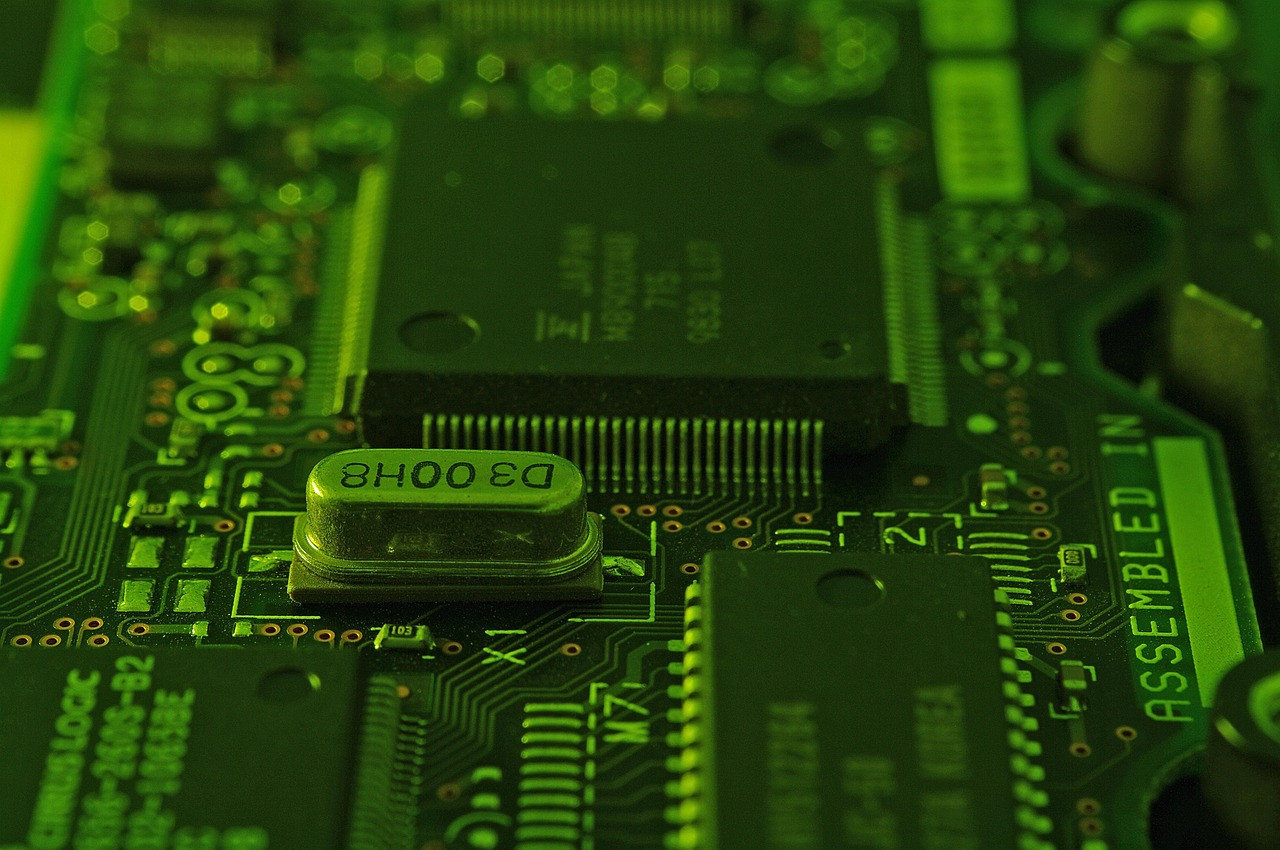
Representative image: mikadago / Pixabay
London AI chip start-up Fractile raised $720 million on 11 November 2026 at a reported $7 billion valuation, before shipping its first chip.
What Happened
Fractile, a London-based start-up that designs chips for running artificial intelligence models, has raised $720 million in a Series C funding round, it was reported on Wednesday, 11 November 2026. The round was led by Thrive Capital, Founders Fund, Lightspeed Venture Partners and Redpoint, and was backed by the British government's Sovereign AI Fund. Reports put the company's new valuation at about $7 billion, while the UK government described it as more than £5 billion. Fractile has not yet shipped a chip.
Key Facts
- Fractile raised $720 million in a Series C round, reported on 11 November 2026.
- Lead investors: Thrive Capital, Founders Fund, Lightspeed Venture Partners and Redpoint; other backers named in reports include CapitalG, BlackRock, DST Global and the British Business Bank, alongside the UK's Sovereign AI Fund.
- Valuation: about $7 billion according to reports citing people familiar with the deal; "over £5 billion" according to the UK government.
- In May 2026 the company raised about $220 million at a valuation of roughly $1 billion, according to reports at the time.
- Fractile was founded in 2022 by Walter Goodwin, who holds a PhD from Oxford's robotics institute.
- No commercial product has shipped; the company plans its first chip for 2027.
Why It Matters
Most talk about AI chips is about training, the costly process of teaching a model. But every time a person asks a chatbot a question, the model has to run again; this is called inference, and it is where the long-term demand for computing lies. Fractile's bet is that the main limit on inference speed is not raw calculating power but memory bandwidth: how fast data can be moved between the memory that stores the model and the processor that does the arithmetic. Its approach, described as in-memory compute, does the calculations inside or right next to the memory, so less data has to travel. Reports describe its design as avoiding the stacked high-bandwidth memory (HBM) that today's leading AI chips depend on. These are the company's claims; they have not yet been tested on a production chip.
The size of the round is unusual for a company with no product on sale. It reflects how much investors are willing to pay for any credible challenger in AI hardware, a market dominated by Nvidia. It also shows governments treating chips as a strategic matter. The UK's AI minister presented the investment as part of a push to keep more of the economic value of AI in Britain.
For Indian readers, the deal is a reference point. India is spending public money to build its own chip industry, and Fractile's round shows the scale of money that the leading AI hardware start-ups now attract before they sell a single unit.
Peepals calculation: The valuation rose from roughly $1 billion in May to about $7 billion in November, around seven times higher in six months (7 ÷ 1 = 7). The $720 million raised is about a tenth of the reported $7 billion valuation (720 ÷ 7,000 ≈ 0.10), and more than three times the roughly $220 million raised in May (720 ÷ 220 ≈ 3.3). Our calculation from the reported figures.
| Fractile funding | Amount | Reported valuation |
|---|---|---|
| May 2026 round | about $220 million | about $1 billion |
| November 2026 Series C | $720 million | about $7 billion |
Impact
Short-term: The money gives Fractile the means to take its first chip into manufacturing, and it adds Britain's government to the list of its backers.
Long-term: If Fractile's chip works as the company says, AI services could become faster and cheaper to run, and the market for inference hardware could become less dependent on a single supplier. If it does not, the round will be remembered as a high price paid for an untested idea.
Who is affected: AI companies that buy computing power, chip makers such as Nvidia that dominate the market, investors in AI hardware, and governments in Europe and Asia building their own chip strategies.
What to watch next: The company's first commercial chip, which it plans for 2027.
Key Takeaway
London's Fractile raised $720 million at a reported valuation of about $7 billion on 11 November 2026, a sevenfold jump in six months, before shipping its first AI inference chip.
Questions and Answers
How much did Fractile raise?
Fractile raised $720 million in a Series C round reported on 11 November 2026, led by Thrive Capital, Founders Fund, Lightspeed Venture Partners and Redpoint, with backing from the UK's Sovereign AI Fund.
What is Fractile's valuation?
Reports put it at about $7 billion; the UK government said the company is valued at more than £5 billion.
What does Fractile make?
Fractile designs chips for AI inference, the running of trained AI models. Its approach computes inside or beside memory to reduce the time spent moving data, which it sees as the main limit on speed.
When will Fractile's chip be available?
Fractile has not shipped any product yet and plans to launch its first commercial chip in 2027.
Disclaimer: Prepared by the Peepals newsroom from publicly available sources with AI assistance. Information is accurate to the best of our knowledge at the time of publication and may change. Images may be representative. Not professional advice. Report an error via our contact page.
By Karan Bansal, Tech Startups CorrespondentCovers Tech Start-ups & Stories and more for Peepals Tech. All stories by Karan Bansal
Adilabad IT Tower opens: NTT Data, N Labs among first firms
Electric vehicle batteries: Ford Mach-E data shows 92% health after five years
Get the day's stories in your inbox
Peepals Weekly: the week decoded, free. One email a week, unsubscribe in one click.
Karan Bansal is a pen name of the Peepals Global Editorial Team, which researches, fact-checks and publishes every story. The portrait is an illustration.