

McDonald's must face McRib lawsuit over rib meat claim, judge rules
 By Pooja MehraIndustry Trends Analyst, Peepals Tech
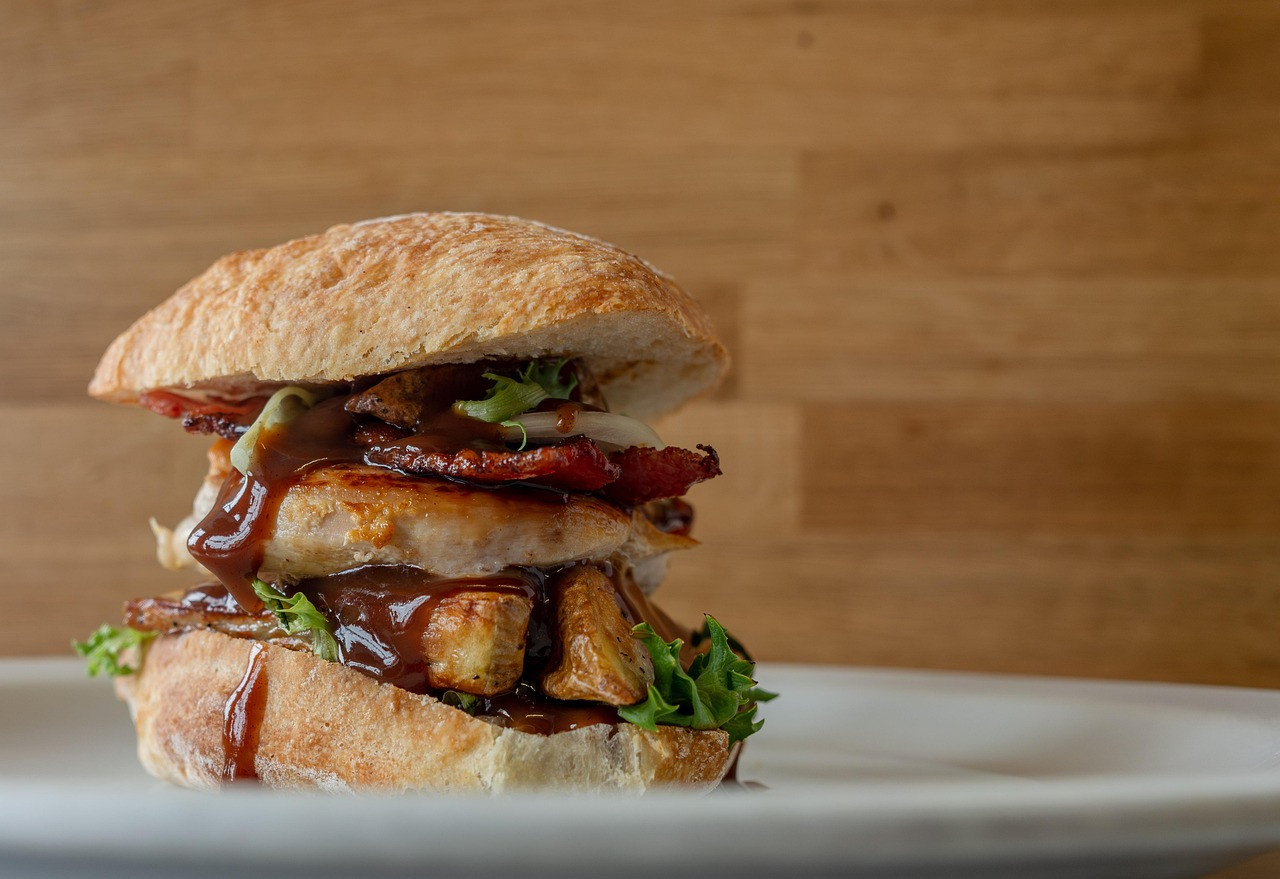
Representative image: SylwesterL / Pixabay
A Chicago judge ruled on October 30, 2026, that McDonald's must face a proposed class action claiming the McRib misleads buyers about rib meat.
What Happened
McDonald's must face a proposed class action lawsuit claiming that its McRib sandwich misleads customers into thinking it contains pork rib meat, a federal judge in Chicago ruled on Friday, October 30, 2026. US District Judge April Perry rejected the company's request to throw out the core claims, saying it was "too early to conclude" that a reasonable consumer would not expect the McRib to contain rib meat based on its name and appearance. Some other claims in the case were dismissed. The plaintiffs say the sandwich is made from lower-grade pork cuts, so buyers overpay. McDonald's has called the claims meritless and says the McRib is made with 100% pork from US farmers and suppliers.
Key Facts
- Judge April Perry of the US District Court in Chicago allowed the main claims against McDonald's to proceed on October 30, 2026.
- The lawsuit says the McRib's name and rib-like shape lead buyers to believe it contains pork rib meat.
- The plaintiffs allege McDonald's uses other pork, including shoulder and, they claim, heart, tripe or stomach; McDonald's says it does not use hearts, tripe or stomach.
- The judge noted the company's website describes the sandwich only as containing pork, and said shoppers need not research a sandwich costing about $7 before buying it.
- Surveys cited in the case found 72% of respondents believed the McRib contained rib meat, and 67% said rib meat was an important reason to buy it.
- The ruling is an early procedural step, not a finding that McDonald's misled customers.
Why It Matters
The case is about a question that matters well beyond one sandwich: how much can a food's name and shape suggest about what is inside it? Fast-food and packaged-food companies routinely use names and designs that evoke a familiar product. Consumer lawyers argue that when a name points to a specific ingredient, the product should contain it, or the label should make clear that it does not. Companies argue that customers understand such names as descriptions of style or flavour rather than exact ingredients.
By refusing to dismiss the case at this stage, the judge has accepted that the "reasonable consumer" question cannot be settled on paper. That means the plaintiffs can move to the next phase, where evidence about the recipe, the marketing and what customers actually believe will be tested. The survey figures cited in the case, showing a majority of respondents assumed the McRib had rib meat, helped persuade the court that the claim was plausible enough to go forward.
For the food industry, cases like this put pressure on product names, menu descriptions and websites. A company that wants to avoid such disputes can either change the name, change the recipe, or spell out the ingredients more clearly where customers see them.
For Indian readers, the dispute is a reminder that food labelling and naming are active legal issues worldwide. Questions about whether a product name matches its contents are also debated in India, where regulators and courts deal with complaints about how foods are described and sold.
| Point | Detail |
|---|---|
| Court | US District Court, Chicago |
| Judge | April Perry |
| Ruling date | Friday, October 30, 2026 |
| Core claim | McRib name and shape imply rib meat |
| Survey cited | 72% believed it contained rib meat |
| McDonald's position | Claims meritless; 100% pork from US suppliers |
Impact
Short-term: The proposed class action moves ahead, and McDonald's will have to defend the McRib's name and marketing in the next stage of the case. The company's lawyers are likely to keep arguing that customers do not read the name as a promise about a specific cut.
Long-term: If the plaintiffs eventually win or force a settlement, food companies may face more pressure to make sure product names match their main ingredients, or to state clearly when they do not. A win for McDonald's would strengthen the argument that names describe a style rather than a recipe.
Who is affected: McDonald's and its US customers; other fast-food and packaged-food brands that use descriptive names; consumer protection lawyers; and food regulators watching how courts define a "reasonable consumer".
Key Takeaway
A US judge has ruled that McDonald's must face a lawsuit claiming the McRib's name and shape wrongly suggest rib meat, although the case is at an early stage and McDonald's denies the claims.
Questions and Answers
Why is McDonald's being sued over the McRib?
The plaintiffs claim the McRib's name and rib-shaped patty lead customers to believe it contains pork rib meat, when they say it is made from other pork cuts. They say this makes buyers overpay.
What did the judge decide on October 30, 2026?
Judge April Perry in Chicago refused to dismiss the core claims, saying it was too early to conclude that reasonable customers would not expect rib meat. Some other claims were dismissed.
What does McDonald's say?
McDonald's calls the claims meritless, says the McRib is made with 100% pork from US farmers and suppliers, and denies using hearts, tripe or stomach.
Does this ruling mean McDonald's misled customers?
No. It only means the case can continue. The plaintiffs still have to prove their claims.
Disclaimer: Prepared by the Peepals newsroom from publicly available sources with AI assistance. Information is accurate to the best of our knowledge at the time of publication and may change. Images may be representative. Not professional advice. Report an error via our contact page.
By Pooja Mehra, Industry Trends AnalystCovers Industry News & Trends and more for Peepals Tech. All stories by Pooja Mehra
ColorOS 17 update: OnePlus brings Android 17 early in India, ends OxygenOS
Russia's Rassvet constellation loses second satellite in orbit failure
Get the day's stories in your inbox
Peepals Weekly: the week decoded, free. One email a week, unsubscribe in one click.
Pooja Mehra is a pen name of the Peepals Global Editorial Team, which researches, fact-checks and publishes every story. The portrait is an illustration.