
Russia's Rassvet constellation loses second satellite in orbit failure
 By Karan BansalTech Startups Correspondent, Peepals Tech

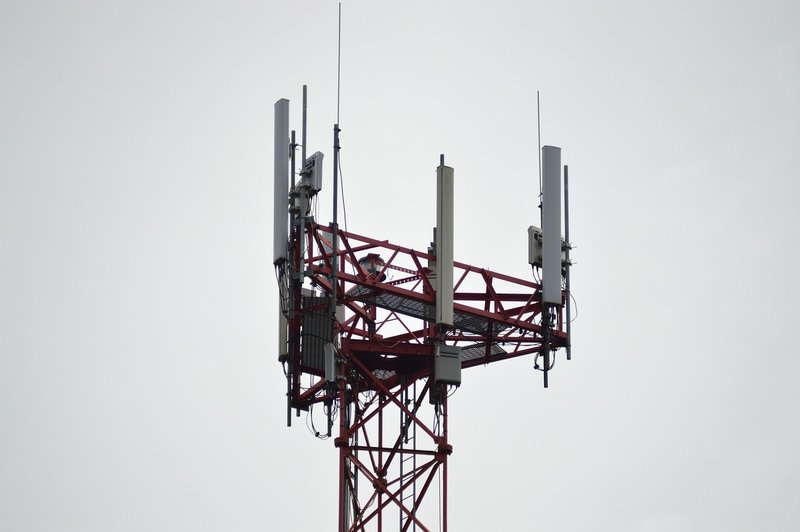
Representative image: PIRO4D / Pixabay
A second satellite in Bureau 1440's Rassvet constellation, Russia's Starlink rival, burned up around October 30, 2026, after failing to raise orbit.
What Happened
Russia's Rassvet satellite constellation, built by the privately owned company Bureau 1440 as a home-grown rival to SpaceX's Starlink, has lost a second satellite, according to satellite trackers and reports published on October 30 and 31, 2026. One of the satellites launched on July 19 failed to raise its orbit after launch and burned up as it fell back into the atmosphere, after an earlier unit, known as Object 4, had already dropped out of orbit. Trackers had flagged two satellites from the July launch that sank below 230 km without a single orbit-raising engine burn, with re-entry forecast around October 29 and November 1. One report said the second of those two has since begun raising its orbit. Bureau 1440 had not publicly announced either loss, according to Russian media cited in the coverage.
Key Facts
- A second Rassvet-3 satellite re-entered the atmosphere around October 30, 2026, after failing to reach its working orbit, according to reports based on tracking data.
- The two at-risk satellites came from a launch on July 19 and dropped below 230 km without performing an orbit-raising burn.
- An earlier satellite, Object 4, had already decayed out of orbit weeks before.
- As of October 13, an independent tracker counted 31 production satellites in orbit, of which 22 had reached the working altitude of about 510 km.
- Bureau 1440 has said it aims to have 156 Rassvet satellites in orbit by the end of 2026 and 292 by 2027, when partial service is supposed to begin.
- The company has not publicly confirmed the losses.
Why It Matters
Low-orbit satellite broadband has become one of the most closely watched races in the technology industry. SpaceX's Starlink has shown that thousands of small satellites flying a few hundred kilometres above Earth can deliver fast internet almost anywhere, and governments now see such networks as strategic. Russia wants its own system so that it does not depend on foreign providers, and Bureau 1440's Rassvet project is its main attempt.
Losing a satellite is not unusual in a new constellation, but the pattern matters. Satellites in this kind of network are released into a low orbit and must then use their own engines to climb to their working height. A satellite that never fires its engine sinks quickly because of drag from the thin upper atmosphere and burns up within weeks. Two such cases from the same launch, plus the earlier loss of Object 4, raise questions about the reliability of the propulsion or control systems on early units.
The numbers also show how far the project is from its targets. With 22 satellites at working altitude in mid-October, reaching 156 in orbit by the end of the year would need a much faster launch pace. Analysts tracking the constellation have also noted that the satellites are gathering near 510 km, while the company's public website still lists an 800 km operating altitude, suggesting the design or plan may have changed.
There is disagreement about how bad the situation is. One Ukrainian outlet reported in September that all 16 satellites from the second batch had failed to reach operational orbit, while a later analysis by a Ukrainian military news site argued that this verdict was premature and that only the two units identified had clear problems. Much of the coverage comes from Ukrainian and Western outlets during the war, so claims should be read with that context; the tracking data itself is public.
For Indian readers, the story shows how difficult it is to build a working low-orbit broadband network, a business that several companies want to bring to Indian customers. Launch capacity, reliable satellite engines and the pace of deployment decide who succeeds.
| Measure | Figure |
|---|---|
| Production satellites in orbit (Oct 13) | 31 |
| At working altitude (about 510 km) | 22 |
| Target by end of 2026 | 156 |
| Target by 2027, when partial service is planned | 292 |
| Satellites lost after failing to raise orbit | At least two, including Object 4 |
Impact
Short-term: Bureau 1440 faces questions about the reliability of its early satellites and whether it can keep to its launch schedule. Trackers will watch the remaining satellites from the July launch closely.
Long-term: If the problems are fixed, Rassvet could still give Russia an independent broadband network, but delays would push back the planned start of service in 2027. Repeated failures would strengthen Starlink's lead in the market.
Who is affected: Bureau 1440 and its backers; Russian government and military users who would rely on the network; satellite operators and launch providers; and, indirectly, competitors such as SpaceX.
Key Takeaway
Russia's Rassvet constellation has lost a second satellite that never reached its working orbit, highlighting reliability problems as Bureau 1440 tries to build a Starlink rival far behind its own targets.
Questions and Answers
What happened to the Rassvet constellation satellites?
A second Rassvet-3 satellite from a July 19 launch failed to raise its orbit and burned up around October 30, 2026, according to tracking-based reports. An earlier satellite, Object 4, had already dropped out of orbit.
What is Rassvet?
Rassvet is a low-orbit satellite broadband constellation being built by Russia's Bureau 1440, intended as a domestic alternative to SpaceX's Starlink.
How many Rassvet satellites are working?
As of October 13, 2026, an independent tracker counted 31 production satellites in orbit, with 22 at the working altitude of about 510 km.
Has Bureau 1440 confirmed the losses?
No. According to reports citing Russian media, the company had not publicly announced the loss of either satellite.
Disclaimer: Prepared by the Peepals newsroom from publicly available sources with AI assistance. Information is accurate to the best of our knowledge at the time of publication and may change. Images may be representative. Not professional advice. Report an error via our contact page.
By Karan Bansal, Tech Startups CorrespondentCovers Tech Start-ups & Stories and more for Peepals Tech. All stories by Karan Bansal
McDonald's must face McRib lawsuit over rib meat claim, judge rules
Virgin Media O2 job cuts: up to 4,000 roles at risk in cost drive
Get the day's stories in your inbox
Peepals Weekly: the week decoded, free. One email a week, unsubscribe in one click.
Karan Bansal is a pen name of the Peepals Global Editorial Team, which researches, fact-checks and publishes every story. The portrait is an illustration.