
Microsoft quits Nscale's Essex AI data centre as grid power may wait till 2030s
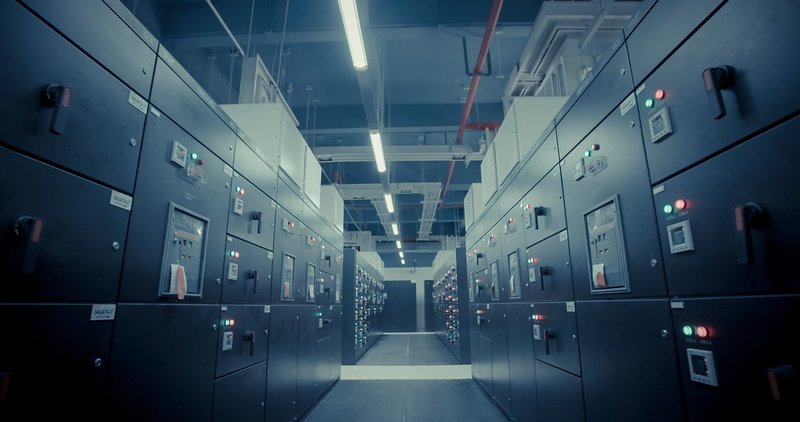
Representative image: blickpixel / Pixabay
Microsoft has ended its deal for Nscale's planned 50MW AI data centre at Loughton, Essex, after the site was reportedly told grid power may not come until the 2030s.
What Happened
Microsoft has pulled out of a planned AI data centre in Essex, England, run by British company Nscale, after the site was reportedly told it might not get a connection to the electricity grid until the 2030s. The Microsoft data centre Essex project, a 50-megawatt campus at Loughton, was to house 23,040 Nvidia GB300 graphics processors for Microsoft's Azure cloud from 2027. The withdrawal was first reported by a UK newspaper on Saturday, 18 October 2026, and was then carried by international wires. The report did not give Microsoft's reason, and Microsoft has not commented publicly. A Nscale spokesperson said the company remained "committed to both the Loughton project and the UK" and was "exploring alternative power sources for the site, in addition to other expansion sites in the UK".
Key Facts
- Site: a planned 50-megawatt AI data centre campus at Loughton, Essex, developed by Nscale.
- Plan: 23,040 Nvidia GB300 GPUs for Microsoft Azure, starting in 2027.
- Reported problem: grid officials told Nscale the site might not be connected to the electricity network until sometime in the 2030s.
- Microsoft has ended its agreement for the site; no reason was given and the company has not commented.
- Nscale said the grid issue "has no impact on our other contracts".
- Timing: Nscale filed last month for a stock market listing in the United States, with Microsoft and Anthropic named as its major customers in its prospectus.
- One report put Microsoft and Anthropic at about 85% of Nscale's contracts; another said the listing could raise up to 3 billion dollars.
Why It Matters
The race to build artificial intelligence is now as much about electricity as it is about chips. Training and running large AI models needs huge data centres packed with powerful processors, and those processors need a steady, very large supply of power. A site can have the land, the planning permission and the customer, but if the grid cannot deliver power for years, the project stalls. The Loughton case is a clear example: the reported grid timetable stretched into the next decade, far beyond the 2027 start the customer wanted.
For the United Kingdom, the setback is awkward. The government has presented AI infrastructure as a central part of its economic plans, and Nscale has been one of the British companies most closely linked to that push. Losing the anchor customer at a flagship site raises questions about whether the country's grid can keep pace with the demand that AI data centres create, and how quickly new connections can be approved and built.
For Nscale, the timing is especially difficult. The company is preparing to list its shares in the United States, and investors will look closely at how much of its business depends on a small number of large customers. Reports that Microsoft and Anthropic make up most of its contract value mean that any change in those relationships matters. Nscale's message is that only this site is affected, that other contracts stand, and that it is looking at other power sources and other UK locations.
For India, where large cloud and AI data centre investments are also being planned, the episode shows what decides whether such projects succeed: reliable power, fast grid connections and clear timelines. Companies choosing between countries will compare these as closely as they compare land and tax costs.
| Item | Detail |
|---|---|
| Developer | Nscale |
| Location | Loughton, Essex, England |
| Planned capacity | 50 megawatts; 23,040 Nvidia GB300 GPUs |
| Customer | Microsoft (Azure), now withdrawn |
| Reported grid date | Possibly not until the 2030s |
Impact
Short-term: Nscale must find either a new power source or a new customer for Loughton while it prepares for its US listing. Investors will want clarity on how much revenue the site was expected to bring.
Long-term: Grid access is likely to become a deciding factor in where AI data centres are built. Countries and regions that can connect large sites quickly will have an advantage, and pressure will grow on the UK to speed up grid upgrades and connections.
Who is affected: Nscale and its future shareholders; Microsoft, which needs AI computing capacity; UK policymakers and grid operators; local communities in Essex; and companies planning data centres elsewhere, including in India.
Key Takeaway
Microsoft's exit from Nscale's planned Essex AI data centre, reportedly over a grid connection that might not come until the 2030s, shows that power supply has become a key limit on the AI building boom.
Questions and Answers
Why did Microsoft pull out of the Essex data centre?
Microsoft has not given a reason. The report that revealed the exit said grid officials had told Nscale that the Loughton site might not be connected to the electricity network until sometime in the 2030s, well after the planned 2027 start.
What was planned at the Microsoft data centre in Essex?
Nscale planned a 50-megawatt campus at Loughton with 23,040 Nvidia GB300 GPUs for Microsoft's Azure cloud, starting in 2027.
What has Nscale said?
A spokesperson said the company remains committed to the Loughton project and the UK, is exploring alternative power sources and other UK sites, and that the grid issue does not affect its other contracts.
Does this affect Nscale's planned share listing?
Nscale filed for a US listing last month with Microsoft and Anthropic as major customers. Losing Microsoft at Loughton is likely to draw investor questions about how concentrated its business is, though Nscale says its other contracts are unaffected.
Disclaimer: Prepared by the Peepals newsroom from publicly available sources with AI assistance. Information is accurate to the best of our knowledge at the time of publication and may change. Images may be representative. Not professional advice. Report an error via our contact page.
Sourced and fact-checked by the Peepals Global Editorial Team
Reported, fact-checked and published by the Peepals Global Editorial Team.