Australia schools digital detox: ministers agree screen limits, AI curbs
 By Kabir SethiEducation Correspondent, Peepals Yuva
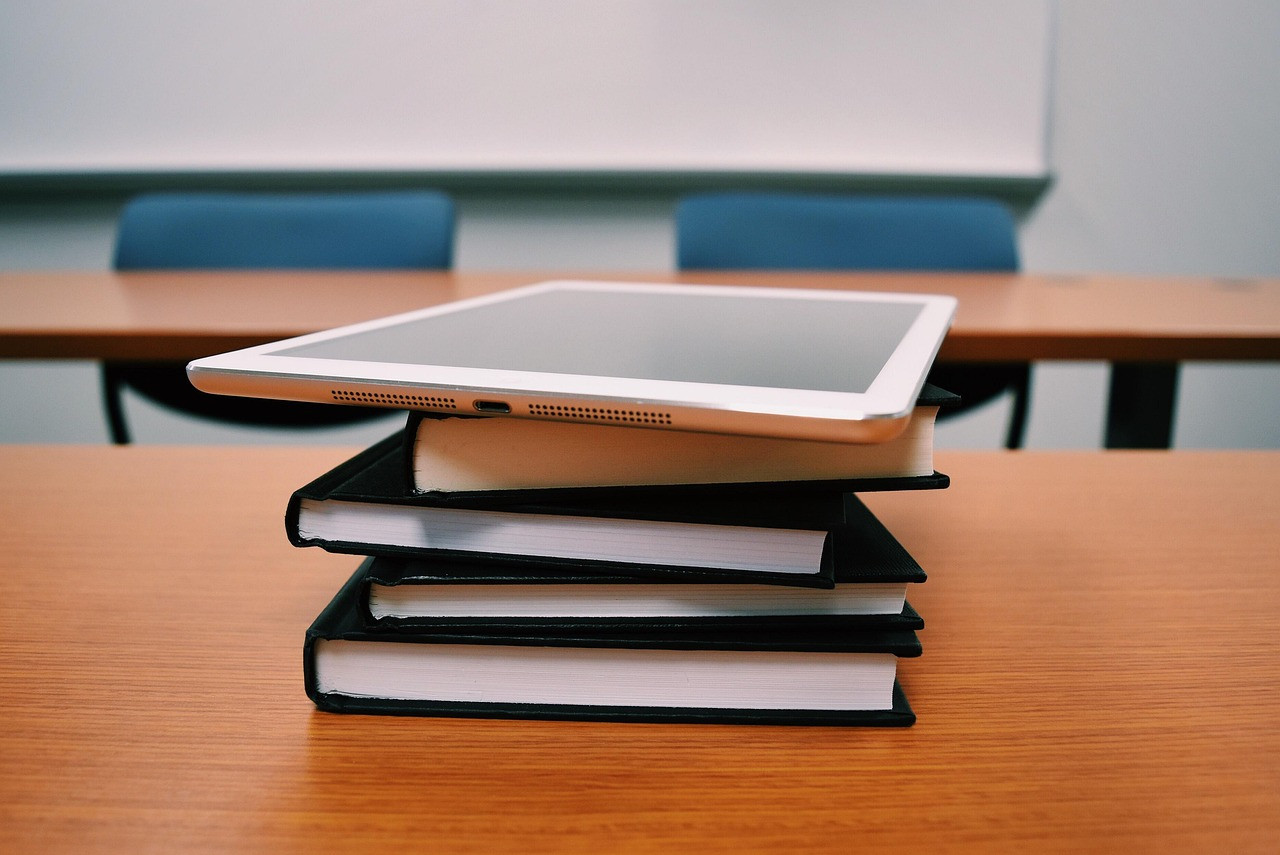
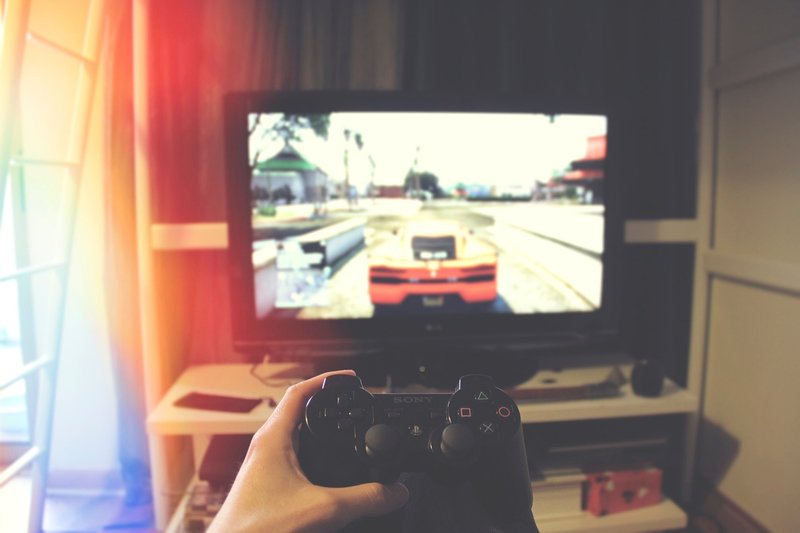
Representative image: WOKANDAPIX / Pixabay
Australia's education ministers agreed on 2 November 2026 to limit school screen time and restrict generative AI in primary schools and assessments.
What Happened
Australia's federal, state and territory education ministers agreed on Monday, 2 November 2026 to bring in, trial or consider limits on screen use in schools, and to restrict students' use of generative artificial intelligence (AI) in primary schools and in secondary school assessments. Each state, territory and school sector will decide how to put the limits into practice. Federal Education Minister Jason Clare has called the plan a "digital detox" for schools. The ministers also set up a new Australian Schools Digital Detox Taskforce to advise them on further steps.
Key Facts
- Meeting: the Education Ministers Meeting of Monday, 2 November 2026; its outcomes were published in a communique and announced by Jason Clare.
- Screens: ministers agreed to introduce, trial or consider limits on screen use in schools.
- Generative AI: student use is to be restricted in primary schools and in secondary school assessments. Generative AI means tools such as chatbots that write text or make images on request.
- Taskforce: a new Australian Schools Digital Detox Taskforce will gather evidence, survey students, teachers and parents, and advise ministers, with its work running into 2027.
- Agenda: digital devices and AI will stay a standing item for the ministers until at least the end of 2027.
- Other decisions: a new national maths curriculum for the first three years of primary school, endorsed teaching resources on antisemitism, and a new Australian Teaching and Learning Commission.
Why It Matters
The agreement means every Australian government has signed up, at least in principle, to pulling back on classroom screens. It does not set one national number of minutes. It gives each state and school system the job of choosing its own limits, so the effect on a student will depend on where they study.
Some states had already moved. Victoria limits screen time to 90 minutes a day in primary schools and two hours in high schools, the federal minister has pointed out. In New South Wales, the state government has set limits for public schools: screens may be used for up to a quarter of class time in a subject in Years 7 to 10, and up to half in Years 11 and 12, according to reports of the policy, which is due from 2027.
The AI part is narrower than a ban. Students in primary schools are to have their use of generative AI restricted, and in secondary schools the restriction applies to assessments, the tests and assignments that count towards marks. Clare has said students still need to learn digital skills, including how and when to use AI.
Not everyone agrees with the direction. More than 85 researchers and organisations have urged governments to look at how screens are used rather than how long, warning that blanket limits could hurt learning, digital skills and fairness for students who depend on school devices. The debate comes after the 2026 national NAPLAN tests, in which average numeracy scores rose in Years 5, 7 and 9 but dipped in Year 3, and about one in ten students still needed extra support, according to the government's release.
Peepals calculation: Under the reported New South Wales rule, a 60-minute lesson in Years 7 to 10 could include up to 15 minutes of screen use (60 × ¼), and a 60-minute lesson in Years 11 and 12 up to 30 minutes (60 × ½). Victoria's primary-school limit of 90 minutes a day is three-quarters of its two-hour high-school limit (90 ÷ 120 = 0.75). Our calculation from the reported figures.
| Place or body | Reported rule |
|---|---|
| All Australian ministers, 2 Nov 2026 | introduce, trial or consider screen limits; restrict generative AI in primary schools and secondary assessments |
| Victoria | 90 minutes a day in primary schools, two hours in high schools |
| New South Wales public schools | up to a quarter of class time a subject in Years 7–10, up to half in Years 11–12 |
| Digital Detox Taskforce | advice to ministers running into 2027 |
Impact
Short-term: States, territories and school sectors now have to decide how far to go and how fast. The taskforce will start collecting evidence and the views of students, teachers and parents.
Long-term: If most systems adopt firm limits, Australian students will spend less of the school day on devices, and AI tools will be kept out of marked work. The taskforce's advice and the ministers' standing review until the end of 2027 will decide whether the rules tighten or loosen.
Who is affected: School students across Australia and their families, teachers, parents and education-technology companies that sell to schools.
What to watch next: The taskforce's advice to ministers, expected to run into 2027, and how each state and territory turns the agreement into school rules.
Key Takeaway
Australia's education ministers agreed on 2 November 2026 to limit screens in schools and restrict generative AI in primary schools and secondary assessments, leaving each state to set the exact rules.
Questions and Answers
What did Australia decide on screen time and AI in schools?
On 2 November 2026, Australia's federal, state and territory education ministers agreed to introduce, trial or consider limits on screen use in schools, and to restrict students' use of generative AI in primary schools and in secondary school assessments. Each state and school sector will decide how to apply this.
Is AI banned in Australian schools now?
No. The agreement restricts generative AI in primary schools and in secondary school assessments. The federal minister has said students still need to learn how and when to use AI.
What is the Australian Schools Digital Detox Taskforce?
It is a new body set up by the ministers to gather evidence, survey students, teachers and parents, and advise on further practical steps on screens and devices, with its work running into 2027.
Disclaimer: Prepared by the Peepals newsroom from publicly available sources with AI assistance. Information is accurate to the best of our knowledge at the time of publication and may change. Images may be representative. Not professional advice. Report an error via our contact page.
By Kabir Sethi, Education CorrespondentCovers Education and more for Peepals Yuva. All stories by Kabir Sethi
Get the day's stories in your inbox
Peepals Weekly: the week decoded, free. One email a week, unsubscribe in one click.
Kabir Sethi is a pen name of the Peepals Global Editorial Team, which researches, fact-checks and publishes every story. The portrait is an illustration.