
China Miéville wins Goldsmiths Prize for 1,264-page novel The Rouse
 By Rhea MalhotraDigital Life Writer, Peepals Yuva
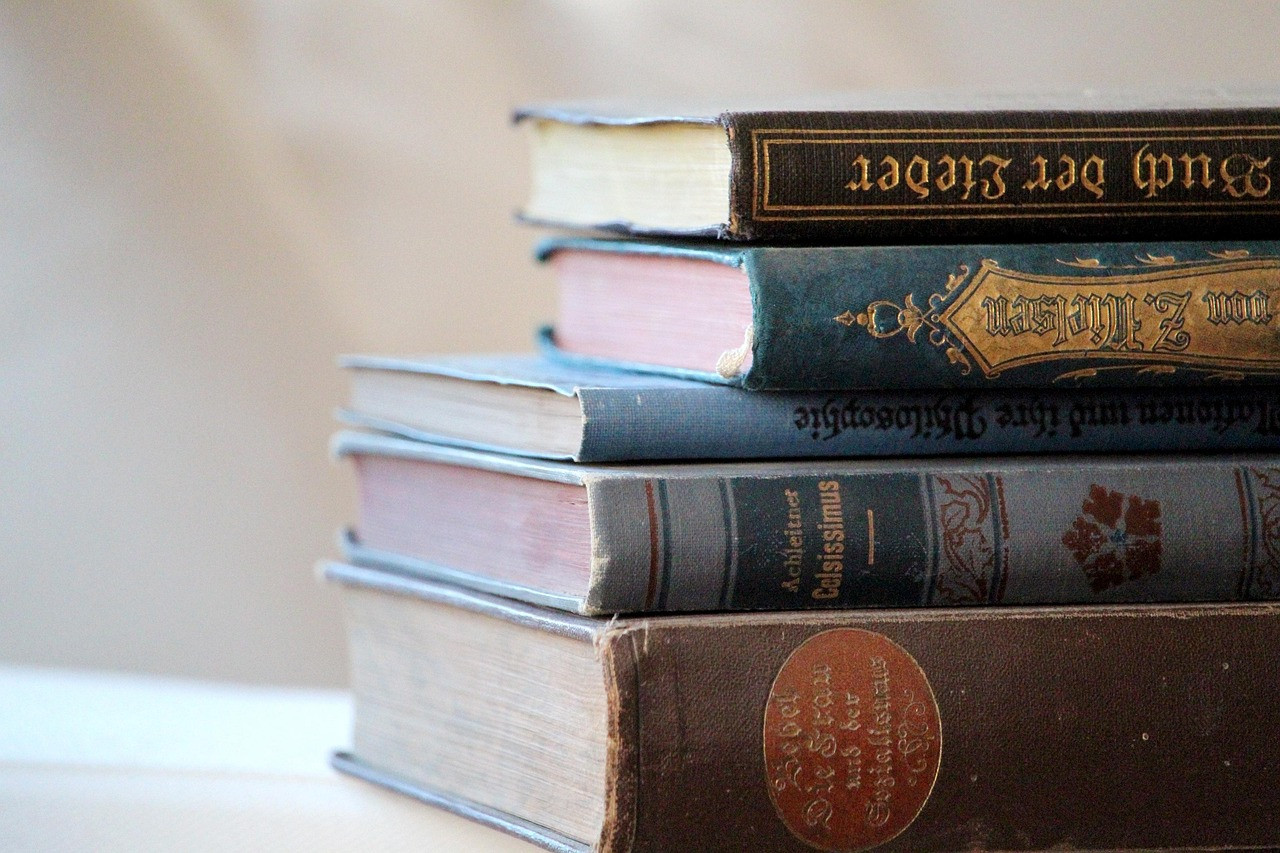
Representative image: 4262159 / Pixabay
China Miéville won the £10,000 Goldsmiths Prize on 4 November 2026 for The Rouse, a 1,264-page novel he spent about 20 years writing.
What Happened
British writer China Miéville has won the 2026 Goldsmiths Prize for his novel The Rouse, a book of more than 1,200 pages that he spent about 20 years writing. The winner was announced at a ceremony in London on Wednesday, 4 November 2026. The prize, worth £10,000, is given each year to fiction that breaks the mould of the novel. The Rouse is the longest book to win it since the award began.
Key Facts
- Winner: China Miéville for The Rouse, published by Pan Macmillan.
- Announced: Wednesday, 4 November 2026, in London.
- Prize money: £10,000.
- Length: more than 1,200 pages; the publisher's listing gives 1,264 pages. It is the longest winner in the prize's history.
- Writing time: about 20 years, according to reports of the award.
- Judges: Francis Spufford (chair), Kate Briggs, Hari Kunzru and David Sexton.
- Other shortlisted novels: What Am I, A Deer? by Polly Barton, Said the Dead by Doireann Ní Ghríofa, Dooneen by Keith Ridgway, Attention Seeking Behavior by Aea Varfis-van Warmelo and The Vivisectors by Missouri Williams.
- Organisers: Goldsmiths, University of London, which runs the prize with the New Statesman magazine.
Why It Matters
The Goldsmiths Prize is one of the few literary awards that rewards risk-taking in form rather than a familiar story well told. Its judges look for novels that stretch what a novel can do, in language, structure or scale. This year the jury chose a book whose sheer length is part of its experiment. According to the prize announcement, chair Francis Spufford said the winning novel broke most explosively with expectation in its ambition, its use of history, its linguistic experiment and its scale.
The Rouse is set across the twentieth century and deals with grief and conspiracy. According to its publisher and reports of the award, it opens with a mother investigating the death of her son, and the search leads into Britain's imperial past and a secret official interest in the paranormal.
For students and young readers, the award is a useful signal of where serious fiction is heading. A prize jury putting a 1,200-page novel at the top comes at a time when much reading happens in short bursts on phones. It also shows that publishers are still willing to back long, demanding books by established writers. The shortlist itself is a ready reading list: six novels that each try something unusual with form, from translation and memory to experimental structure.
The Rouse beat five other shortlisted novels, by Polly Barton, Doireann Ní Ghríofa, Keith Ridgway, Aea Varfis-van Warmelo and Missouri Williams. All six books were chosen for trying something new with the form of the novel, so the shortlist, announced at the end of September, works as a guide to some of this year's most experimental fiction.
Peepals calculation: At 1,264 pages written over about 20 years, The Rouse works out to roughly 63 finished pages a year (1,264 ÷ 20 ≈ 63). Spread over the book, the £10,000 prize comes to about £7.90 per page (10,000 ÷ 1,264 ≈ 7.91). Our calculation from the reported figures.
| Detail | The Rouse |
|---|---|
| Author | China Miéville |
| Pages (publisher's listing) | 1,264 |
| Years of writing (reported) | about 20 |
| Prize money | £10,000 |
| Announced | 4 November 2026, London |
Impact
Short-term: The win is likely to bring the novel to readers who might not pick up a 1,200-page book, and it puts the five other shortlisted novels in front of a wider audience at the same time.
Long-term: The result adds weight to the case that experimental and very long fiction still has a place in mainstream publishing, and gives young writers an example of a book that took two decades to finish.
Who is affected: Readers of literary and speculative fiction, students of English literature, booksellers and publishers, and the writers on the shortlist.
Key Takeaway
China Miéville's The Rouse, a novel of more than 1,200 pages written over about 20 years, won the £10,000 Goldsmiths Prize in London on 4 November 2026.
Questions and Answers
Who won the Goldsmiths Prize 2026?
China Miéville won the 2026 Goldsmiths Prize for his novel The Rouse. The winner was announced in London on Wednesday, 4 November 2026.
What is China Miéville's The Rouse about?
The Rouse is set across the twentieth century and deals with grief and conspiracy. It begins with a mother investigating her son's death, and her search leads into Britain's imperial past and a secret interest in the paranormal.
How long is The Rouse, and how long did it take to write?
The publisher's listing gives 1,264 pages, making it the longest winner in the prize's history. Miéville spent about 20 years writing it, according to reports of the award.
What is the Goldsmiths Prize?
It is a £10,000 award for fiction that breaks the mould of the novel or extends the possibilities of the form. It is run by Goldsmiths, University of London, with the New Statesman.
Disclaimer: Prepared by the Peepals newsroom from publicly available sources with AI assistance. Information is accurate to the best of our knowledge at the time of publication and may change. Images may be representative. Not professional advice. Report an error via our contact page.
By Rhea Malhotra, Digital Life WriterCovers Digital Life and more for Peepals Yuva. All stories by Rhea Malhotra
Morocco youth unemployment hits 30.5% in third quarter of 2026
Haryana SAATH project: counsellors in 200 schools for student mental health
Get the day's stories in your inbox
Peepals Weekly: the week decoded, free. One email a week, unsubscribe in one click.
Rhea Malhotra is a pen name of the Peepals Global Editorial Team, which researches, fact-checks and publishes every story. The portrait is an illustration.