
Gen Z Diwali survey: 71% want tradition, 66% want more play
 By Kabir SethiEducation Correspondent, Peepals Yuva
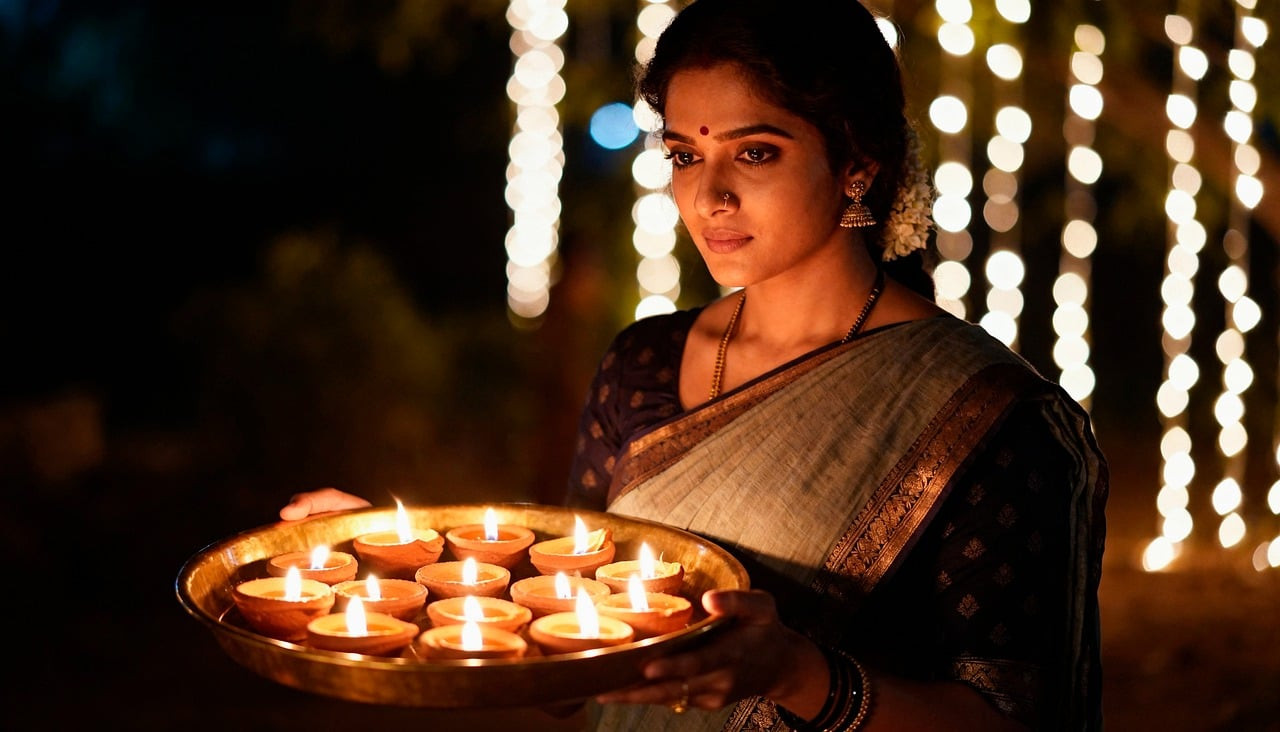
Representative image: kumarsu6745_ / Pixabay
A YouGov India survey of 1,203 urban 18-29-year-olds, released on 5 November 2026, found 71% prefer a traditional Diwali and 66% want more play.
What Happened
Most young urban Indians still prefer to celebrate Diwali the traditional way, but want more play and lighter moments in it, according to an online survey by YouGov India released on Thursday, 5 November 2026. The survey, commissioned by Sanrio, the Japanese company behind the Hello Kitty characters, questioned 1,203 people aged 18 to 29 in Delhi NCR, Mumbai, Bengaluru, Hyderabad and Chennai between 7 and 14 October 2026. It found that 71% believe Diwali is best celebrated the traditional way, while 66% would like more games, play and light-hearted moments during the festival.
Key Facts
- Sample: 1,203 respondents aged 18 to 29 in five large cities, surveyed online by YouGov India from Wednesday, 7 October, to Wednesday, 14 October 2026.
- 71% said Diwali is best celebrated the traditional way.
- 66% said they would like more games, play and light-hearted moments.
- 72% said they enjoy cute or personalised festive food.
- 64% said they prefer gifts that show someone understands their habits over more expensive gifts, and 38% plan to choose gifts based on what the recipient needs or likes.
- 68% of respondents in Delhi NCR plan to spend Diwali time with family, against 53% to 57% in the other four cities, according to the survey.
- 60% said they prefer celebrating in smaller groups.
Why It Matters
A common assumption about Gen Z, here people aged 18 to 29, is that they are drifting away from traditional festivals towards parties and social media. This survey points the other way for its sample: a clear majority of young city-dwellers say the traditional form of Diwali is still the best one. What they want to change is the mood around it, with more games and fun, smaller gatherings, and food and gifts that feel personal.
The gift findings point the same way: young respondents say they value thought over price. A gift that shows the giver knows the receiver's habits ranks above a costly one for nearly two in three respondents. For young earners on a first salary, that is also a practical choice in an expensive month.
The city differences are worth noting. Delhi NCR shows the strongest pull towards family time, with 68% planning to spend Diwali with family compared with a little over half in Mumbai, Bengaluru, Hyderabad and Chennai. The survey does not give reasons for the gap between cities.
The limits matter. This is a single online survey of five large cities, commissioned by a company that sells character merchandise and has a commercial interest in festive gifting. It says nothing about young people in smaller towns or villages, and online samples tend to over-represent people who are more connected. Its figures describe attitudes in that sample, not all of India's young people.
Peepals calculation: 71% of 1,203 respondents is about 854 people who said Diwali is best celebrated the traditional way (1,203 × 0.71 ≈ 854), and 66% is about 794 who want more games and play (1,203 × 0.66 ≈ 794). Delhi NCR's 68% for family time is 11 to 15 percentage points higher than the 53% to 57% reported for the other four cities. Our calculation from the reported figures.
| | Finding | Share of respondents | |
|---|---|
| | Diwali best celebrated the traditional way | 71% | |
| | Want more games, play and light moments | 66% | |
| | Enjoy cute or personalised festive food | 72% | |
| | Prefer thoughtful gifts over expensive ones | 64% | |
| | Plan family time (Delhi NCR / other cities) | 68% / 53% to 57% | |
Impact
Short-term: Families, hosts and young people planning Diwali on Sunday, 8 November, have a snapshot of what their age group says it wants from the festival: tradition, with more fun and smaller gatherings.
Long-term: If later surveys from independent bodies find the same pattern, it would suggest that young urban Indians are reshaping festivals from within rather than leaving them behind.
Who is affected: Young people aged 18 to 29 in large cities and their families; event organisers; and brands that market festive food and gifts to young buyers.
Key Takeaway
A YouGov India survey of 1,203 urban 18-to-29-year-olds, released on 5 November 2026, found 71% prefer a traditional Diwali while 66% want more play and lighter moments in it.
Questions and Answers
How does Gen Z want to celebrate Diwali 2026, according to the survey?
In a YouGov India survey of 1,203 people aged 18 to 29 in five big cities, 71% said Diwali is best celebrated the traditional way, while 66% said they want more games, play and light-hearted moments. Many also preferred smaller groups and personal gifts.
Who conducted the Gen Z Diwali survey?
YouGov India ran the online survey between 7 and 14 October 2026 on behalf of Sanrio, the Japanese company behind Hello Kitty. The results were released on 5 November 2026.
Do young people prefer expensive Diwali gifts?
Not in this survey. 64% said they prefer gifts that show someone understands their habits over more expensive gifts, and 38% said they plan to choose gifts based on what the recipient needs or likes.
How reliable are these figures?
They come from one online survey of 1,203 young people in Delhi NCR, Mumbai, Bengaluru, Hyderabad and Chennai, commissioned by a company with an interest in festive gifting. They describe that sample's views and do not cover smaller towns or rural India.
Disclaimer: Prepared by the Peepals newsroom from publicly available sources with AI assistance. Information is accurate to the best of our knowledge at the time of publication and may change. Images may be representative. Not professional advice. Report an error via our contact page.
By Kabir Sethi, Education CorrespondentCovers Education and more for Peepals Yuva. All stories by Kabir Sethi
Get the day's stories in your inbox
Peepals Weekly: the week decoded, free. One email a week, unsubscribe in one click.
Kabir Sethi is a pen name of the Peepals Global Editorial Team, which researches, fact-checks and publishes every story. The portrait is an illustration.