
New York says TikTok gave some teens a fake feed-reset safety tool; TikTok disputes it
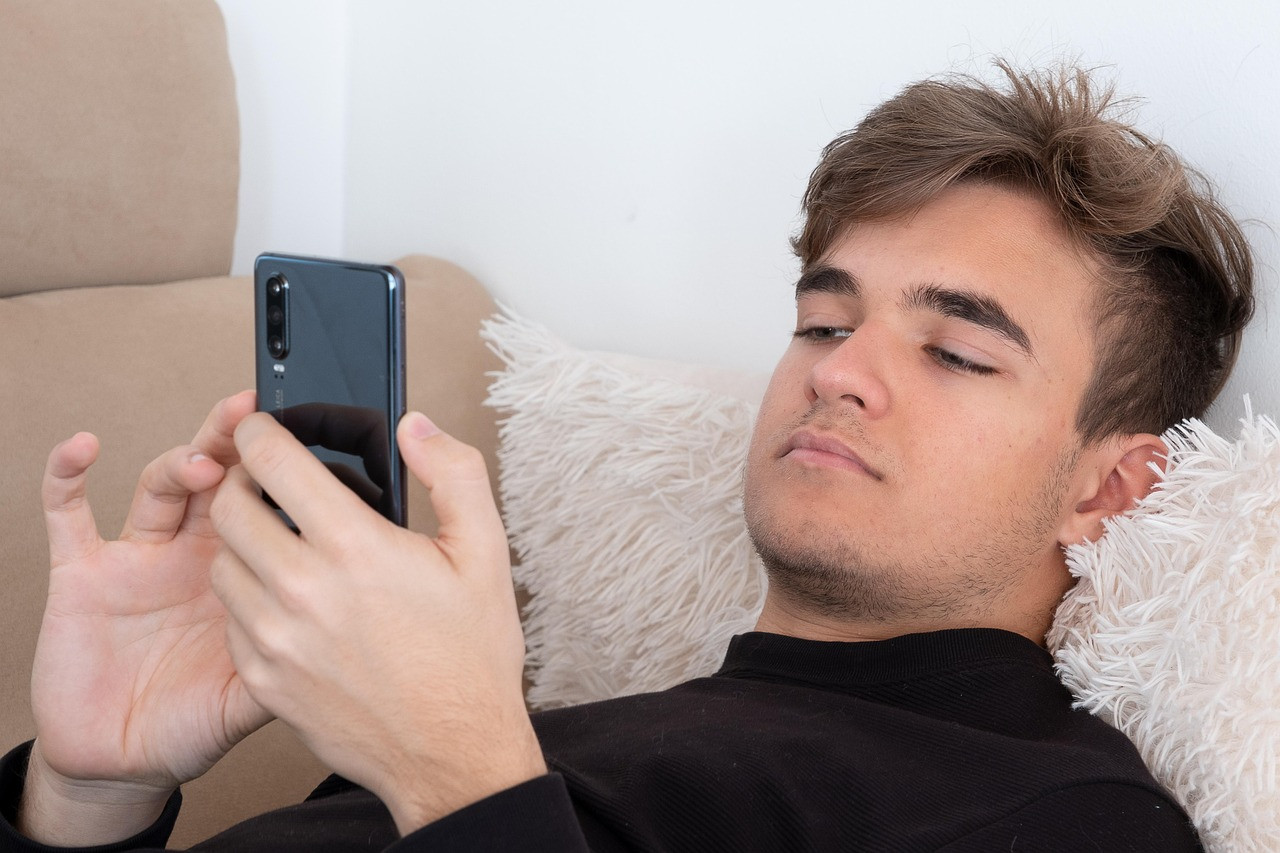
Representative image: Alexandra_Koch / Pixabay
Unsealed claims in New York's lawsuit allege TikTok gave some teens a non-working 'Algo Refresh' tool in a 2023 test; TikTok says the claims mislead.
What Happened
Newly unsealed claims in New York's lawsuit against TikTok allege that the app gave some users, including teenagers and children, a fake version of one of its safety tools as part of an internal experiment. According to reports published on 7 and 8 October 2026, the amended complaint by New York Attorney General Letitia James says that some people who switched on "Algo Refresh", a feature meant to reset the videos TikTok recommends, were given a version that did nothing, so their feeds stayed the same even though they believed they had reset them. TikTok says the allegations misrepresent how the feature works.
Key Facts
- The allegations come from an amended complaint in New York's lawsuit against TikTok, filed under seal in late August and later unsealed, as reported on 7 and 8 October 2026.
- The feature involved, Algo Refresh, is meant to let users reset their recommendations to escape unwanted or harmful content.
- According to the filing as reported, some users, including teens and children, received a non-working version as a "placebo" group.
- The tests reportedly ran from February to May 2023, affected more than 28,000 users and were designed to measure time spent on the app and advertising revenue.
- An internal TikTok product manager reportedly objected that a placebo group conflicted with the feature's purpose.
- TikTok told reporters it regularly tests features and that some users keep the original experience during tests, but denied this made the platform less safe.
- James first sued TikTok in October 2024, alleging among other things that its 60-minute teen screen-time limit could be bypassed with a passcode.
Why It Matters
Many young people use features like Algo Refresh because they want to break out of a feed that has become unhealthy, for example one full of content about dieting, anxiety or violence. If a tool that promises a fresh start actually does nothing for some users, they may keep seeing the same material while thinking they have fixed the problem. That is why the claim, if proven, is serious: it goes to the heart of whether safety tools can be trusted.
Technology companies routinely test changes by giving different versions to different groups of users, a method known as A/B testing. The question raised here is where the line should be when the feature being tested is a safety control and the users include minors. Critics argue safety features should not be used for experiments aimed at engagement or ad revenue. TikTok's position is that testing is normal and does not reduce safety.
These are allegations in an ongoing case, not findings by a court. But they add to growing legal and political pressure on social media companies over how their products affect young people's mental health, in the United States and elsewhere.
For young users anywhere, including in India, the practical lesson is to use several tools together rather than rely on one button: unfollow accounts, mark videos as "not interested", use screen-time limits set at the phone level rather than only inside the app, and take regular breaks.
| Claim | TikTok's response |
|---|---|
| Some users got a non-working Algo Refresh | Allegations mischaracterise how the feature works |
| Tests measured time spent and ad revenue | Testing is routine on the platform |
| Safety was reduced for test groups | Denies tests made the platform less safe |
Impact
Short-term: The unsealed allegations add pressure on TikTok as the New York case proceeds, and may prompt questions from regulators about how platforms test safety features on minors.
Long-term: The case could lead to rules limiting experiments on safety tools, especially for under-18 users, and to closer scrutiny of features that promise users control over their feeds.
Who is affected: Teenagers and children who use TikTok, parents, regulators and lawmakers working on online safety, and other platforms that test features on young users.
Key Takeaway
New York alleges TikTok gave some teens a fake version of its feed-reset safety tool during a 2023 experiment, a claim TikTok disputes, raising questions about testing safety features on minors.
Questions and Answers
What is TikTok's Algo Refresh?
It is a feature meant to reset the videos TikTok recommends, so users can escape content they no longer want to see. New York alleges some users got a version that did not work.
Has a court found TikTok guilty?
No. These are allegations in New York's ongoing lawsuit, revealed in an amended complaint that was unsealed and reported on 7 and 8 October 2026. TikTok disputes them.
What does TikTok say?
TikTok says the claims mischaracterise how Algo Refresh works. It says it regularly tests features, with some users keeping the original experience, but denies this made the app less safe.
How can young users protect their feeds?
Combine several steps: unfollow accounts, mark unwanted videos as not interested, use phone-level screen-time limits instead of only in-app ones, and take regular breaks.
Disclaimer: Prepared by the Peepals newsroom from publicly available sources with AI assistance. Information is accurate to the best of our knowledge at the time of publication and may change. Images may be representative. Not professional advice. Report an error via our contact page.
Sourced and fact-checked by the Peepals Global Editorial Team
One in five young US adults reports frequent mental distress, CDC report finds
NDA (II) 2026 written result out; qualifiers must register for SSB by about Oct 23
Reported, fact-checked and published by the Peepals Global Editorial Team.