
Oxford Word of the Year 2026 shortlist: slopaganda, microdrama, doomerism
 By Kabir SethiStaff Writer, Peepals Yuva
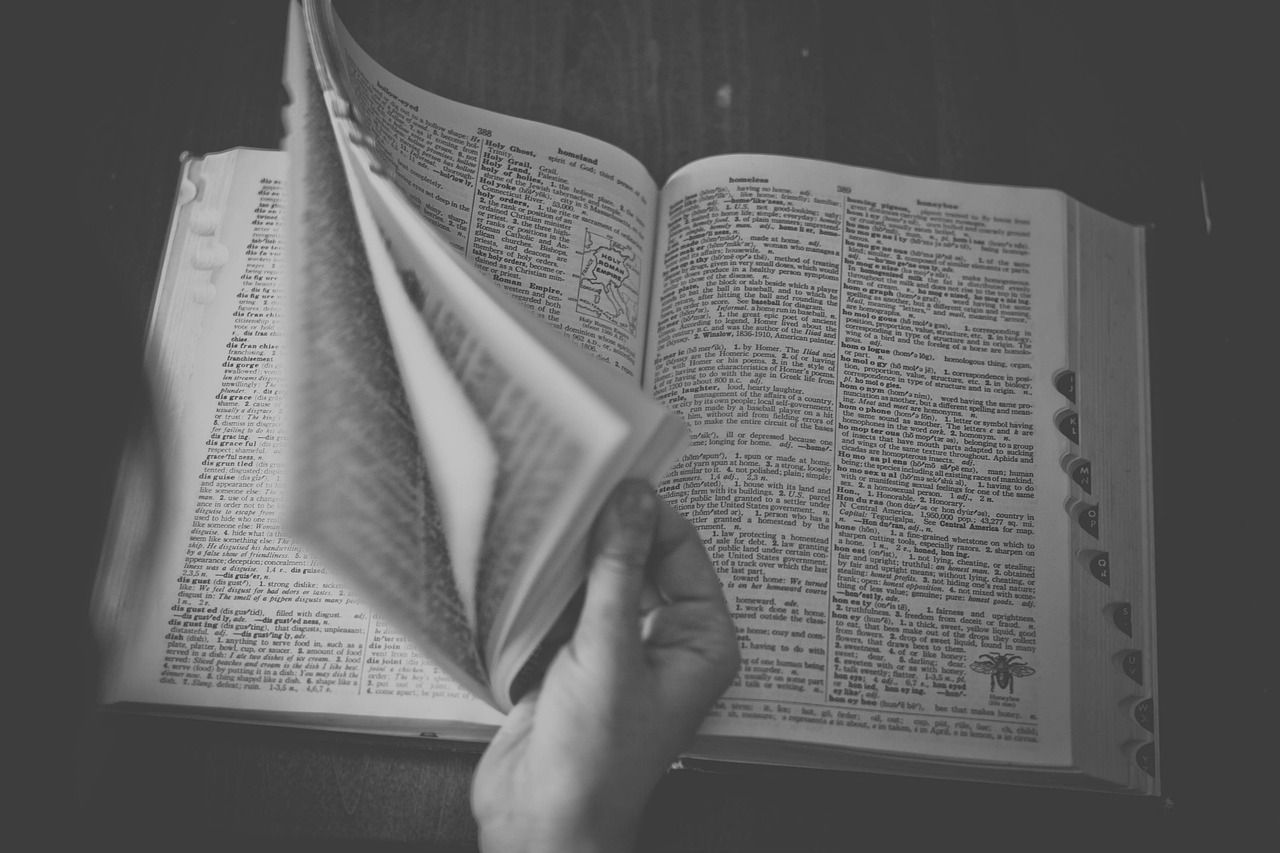
Representative image: StockSnap / Pixabay
OUP shortlisted post-literate, slopaganda, doomerism and microdrama for Oxford Word of the Year 2026 on 17 November; voting closes 24 November.
Oxford Word of the Year 2026: what happened
Oxford University Press (OUP) announced its shortlist for the Oxford Word of the Year 2026 on Tuesday, 17 November 2026. The four words are "post-literate", "slopaganda", "doomerism" and "microdrama". The public can vote for a favourite until 11:59 pm GMT on Tuesday, 24 November, which is 5:29 am India time on Wednesday, 25 November. OUP's language experts will then weigh the public vote alongside their own usage data and wider commentary, and the winning word will be announced on Tuesday, 1 December 2026.
Oxford Word of the Year 2026: key facts
- Slopaganda: propaganda made with generative AI and spread widely online, often through social media, in OUP's definition.
- Doomerism: extreme pessimism, especially the belief that a threat such as AI or climate change will inevitably lead to catastrophe.
- Microdrama: a very short drama series made in vertical format for smartphones, with a fast, melodramatic plot.
- Post-literate: describes a time or society in which reading and the written word have declined substantially.
- OUP's experts picked the words from a corpus of about 32 billion words of English.
- According to OUP, all four words saw a notable rise in usage over the past year.
Oxford Word of the Year 2026: why it matters
A word of the year is not a prize for the prettiest word. Dictionary makers use it to show which new or newly popular words best capture the mood of the year, judged by how often people actually used them. This year's list leans heavily on screens and feeds. Three of the four words are about what happens to attention, information and stories when most of life runs through a phone.
"Slopaganda" builds on "slop", the word for cheap, mass-produced AI content that Merriam-Webster chose as its word of 2025. Adding "propaganda" turns it into something with a purpose: AI-made posts designed to push an opinion. "Microdrama" names a format in which a story is cut into very short vertical episodes made to be watched on a phone, one after another. "Post-literate" asks a harder question: whether reading long text is fading as video and voice take over.
"Doomerism" is the odd one out, and the most personal. It describes a mood rather than a technology, the sense that some disaster cannot be avoided. OUP links it to worries about both AI and climate change. For young readers, the list reads like a description of their own feeds: AI-generated posts, endless short episodes, and a steady background hum of bad news.
The vote is open to anyone, and past years show it can matter. In 2024, more than 37,000 people voted on a six-word shortlist and "brain rot" won. In 2025, OUP ran a three-day public vote on three words, "rage bait", "aura farming" and "biohack", and named "rage bait" as its word. Other dictionaries have already made their 2026 choices: Cambridge picked "human" and Dictionary.com picked "maxxing".
Peepals calculation: the public vote runs from 17 to 24 November, a window of seven days (24 − 17 = 7), and the winner is due seven days after voting closes (24 November to 1 December). Our calculation from the reported figures.
| Word | What it means, in short |
|---|---|
| Slopaganda | AI-made propaganda spread online |
| Microdrama | Very short vertical drama series for phones |
| Doomerism | Belief that catastrophe cannot be avoided |
| Post-literate | A society where reading has declined |
Oxford Word of the Year 2026: impact
Short-term: the shortlist gives a ready-made talking point for anyone who spends time online, and the public vote runs for a week. Expect the words to turn up in more posts and memes before 1 December.
Long-term: a word of the year often moves from internet slang into everyday writing and, later, into dictionaries' main entries. If "slopaganda" or "microdrama" wins, it is likely to become the standard way to describe AI-made political posts or phone-first drama series.
Who is affected: social media users, content creators, teachers and students of English, and anyone who follows how language changes.
What to watch next: voting closes at 11:59 pm GMT on 24 November, and OUP will announce the Oxford Word of the Year 2026 on 1 December 2026.
Oxford Word of the Year 2026: key takeaway
If you want a say in which of these four words defines 2026, the public vote closes early on 25 November India time.
Oxford Word of the Year 2026: questions and answers
What are the Oxford Word of the Year 2026 shortlist words?
Post-literate, slopaganda, doomerism and microdrama. Oxford University Press announced them on 17 November 2026.
What does slopaganda mean?
In OUP's definition, slopaganda is propaganda created with generative AI and spread widely online, often through social media. It combines "slop", meaning low-quality AI content, with "propaganda".
Can people in India vote for the Oxford Word of the Year?
The public vote is open online until 11:59 pm GMT on 24 November, which is 5:29 am on 25 November in India. The final choice is made by OUP's experts, who consider the vote along with usage data.
When will the Oxford Word of the Year 2026 be announced?
OUP plans to announce the winner on Tuesday, 1 December 2026.
Disclaimer: Prepared by the Peepals newsroom from publicly available sources with AI assistance. Information is accurate to the best of our knowledge at the time of publication and may change. Images may be representative. Not professional advice. Report an error via our contact page.
By Kabir Sethi, Staff WriterCovers Education and more for Peepals Yuva. All stories by Kabir Sethi
High school students sue after AI gun alert mistakes chips bag for weapon
India A beat Nepal by 306 runs; Prince Yadav takes 5 for 6
Your week ahead, every Sunday. Free.
Exam and result dates, IPOs opening, scheme deadlines, government holidays and the RBI decision for the next 7 days, plus the week's top stories. One email a week, unsubscribe in one click.
Kabir Sethi is a pen name of the Peepals Global Editorial Team, which researches, fact-checks and publishes every story. The portrait is an illustration.
Responsible for this story: the Peepals Global Editorial Team, led by editor Prashant Sonar. How we report