
Time in nature linked to intuitive eating in UK study of 500 adults
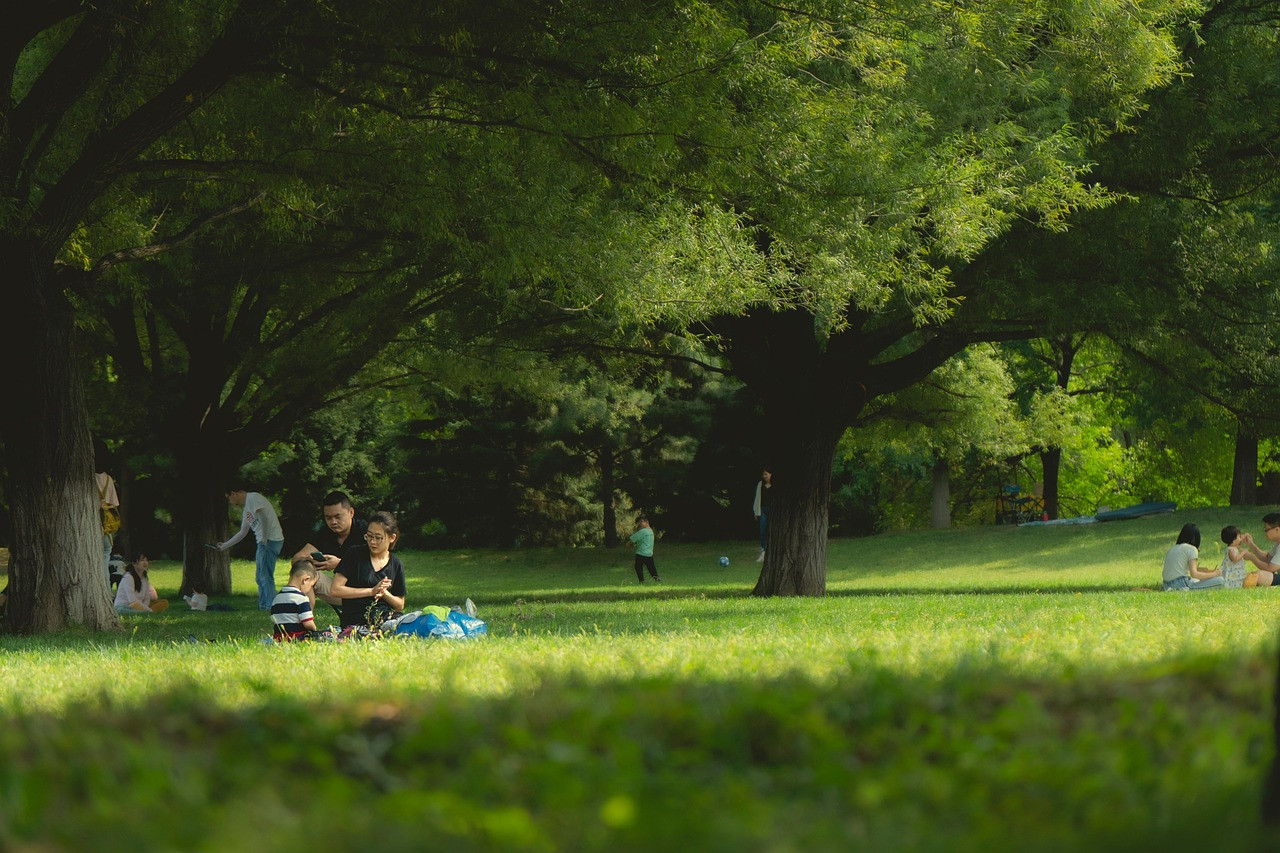
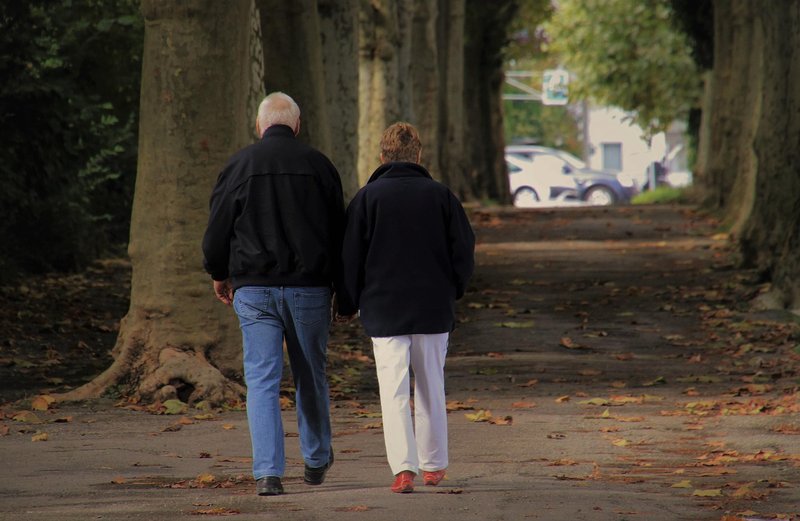
Representative image: T_Tide / Pixabay
A UK study of 500 adults, reported from October 16, 2026, links more contact with nature to intuitive eating, mainly via body appreciation and self-compassion.
What Happened
Adults who spend more time in contact with nature tend to report healthier, more "intuitive" eating, a UK study published in the journal Body Image has found. The study, led by Professor Viren Swami of Anglia Ruskin University, surveyed 500 adults in the United Kingdom and was reported from Friday, October 16, 2026. Intuitive eating means eating in response to the body's own signals of hunger and fullness, rather than to rules, diets, stress or emotions. The researchers found that the association ran mainly through two things: how much people appreciated their own bodies, and how kind they were to themselves.
Key Facts
- Study: "The nature of eating intuitively", published in Body Image and led by Viren Swami of Anglia Ruskin University.
- Participants: 500 adults in the UK, who answered one online survey in May 2026.
- Nature contact was measured in three ways: how much people notice nature around them, how often they visit natural areas, and how many hours a week they spend outdoors.
- On average participants reported about 19 hours a week in nature; half reported 12.5 hours or fewer.
- Participants also completed questionnaires on body appreciation, self-compassion, connectedness to nature and intuitive eating, the last measured with 12 statements such as "I eat foods that feel good in my body."
- Main pathways: greater nature contact went with higher body appreciation and higher self-compassion, which in turn went with more intuitive eating.
- Limits: the data are self-reported, come from a single survey and show association, not cause; the sample was better educated than the general population.
Why It Matters
Most advice on eating well is about what to eat. This study looks at how people eat: whether they notice when they are hungry, stop when they are full, and choose food that makes them feel well rather than eating to cope with boredom, stress or low mood. That way of eating has been studied for years under the name intuitive eating, and it is often contrasted with strict dieting, which many people find hard to keep up.
The new work adds an everyday factor that is easy to change: time outdoors. According to the researchers, contact with nature may help people feel more comfortable in their bodies and more appreciative of what their bodies can do, and that appreciation seems to make them more responsive to their bodies' needs. The second route was self-compassion. The team suggests that people who treat themselves kindly are less likely to answer difficult thoughts and feelings with impulsive eating, and that time in nature may help build that kindness.
For readers interested in everyday wellness, the study does not test any diet or tradition. Its message is simpler: in this sample, a kinder relationship with one's own body went with a calmer relationship with food.
The authors are careful about what their data can show. One survey taken at one moment cannot prove that a walk in the park changes eating habits; it is also possible that people who already feel good about their bodies are more likely to go outdoors. Swami has said that the study relies on self-reported data and that more research in other countries is needed. Reports of the study also differ on whether nature contact had any direct link with eating once body appreciation and self-compassion were taken into account, so the safest reading is that the connection runs mainly through those two factors.
| Measure | What the study reported |
|---|---|
| Sample | 500 UK adults, online survey, May 2026 |
| Average time in nature | About 19 hours a week; half at 12.5 hours or fewer |
| Main pathway 1 | Nature contact linked to more body appreciation |
| Main pathway 2 | Nature contact linked to more self-compassion |
| Design limit | Association only; cannot show cause |
Impact
Short-term: The study gives readers a simple, low-cost idea to try: more time outdoors, in a park, garden or green space, as part of a routine that supports calmer eating. It is not a treatment and should not replace medical or dietary advice for anyone with an eating disorder, diabetes or another condition.
Long-term: If later trials confirm the link, time in nature could become one part of programmes that help people move away from restrictive dieting. It would also add a health reason for cities to protect parks and green spaces that people can reach easily.
Who is affected: People trying to change how they eat without strict diets; those who eat in response to stress or emotions; doctors, dietitians and counsellors who work on body image and eating; and city planners deciding how much green space residents can use.
Key Takeaway
A UK survey of 500 adults links more contact with nature to more intuitive eating, mainly because nature seems to go with greater body appreciation and self-compassion, though it cannot yet show cause and effect.
Questions and Answers
What did the nature and intuitive eating study find?
The Anglia Ruskin University study of 500 UK adults, published in Body Image, found that people with more contact with nature reported more intuitive eating, and that the link ran mainly through higher body appreciation and higher self-compassion.
What is intuitive eating?
It is a way of eating guided by the body's own signals of hunger and fullness and by what makes the body feel well, rather than by diet rules or by emotions such as stress or boredom.
Does this prove that spending time outdoors improves eating habits?
No. The data come from a single self-reported survey, so they show an association, not cause and effect. The researchers have said more studies, including in other countries, are needed.
How much time did participants spend in nature?
On average they reported about 19 hours a week, and half of them reported 12.5 hours or fewer.
Disclaimer: Prepared by the Peepals newsroom from publicly available sources with AI assistance. Information is accurate to the best of our knowledge at the time of publication and may change. Images may be representative. Not professional advice. Report an error via our contact page.
Sourced and fact-checked by the Peepals Global Editorial Team
Reported, fact-checked and published by the Peepals Global Editorial Team.