
AST SpaceMobile AT&T, Verizon satellite-to-phone service set for before year-end
 By Arjun MehtaSenior Business Editor, Peepals Business
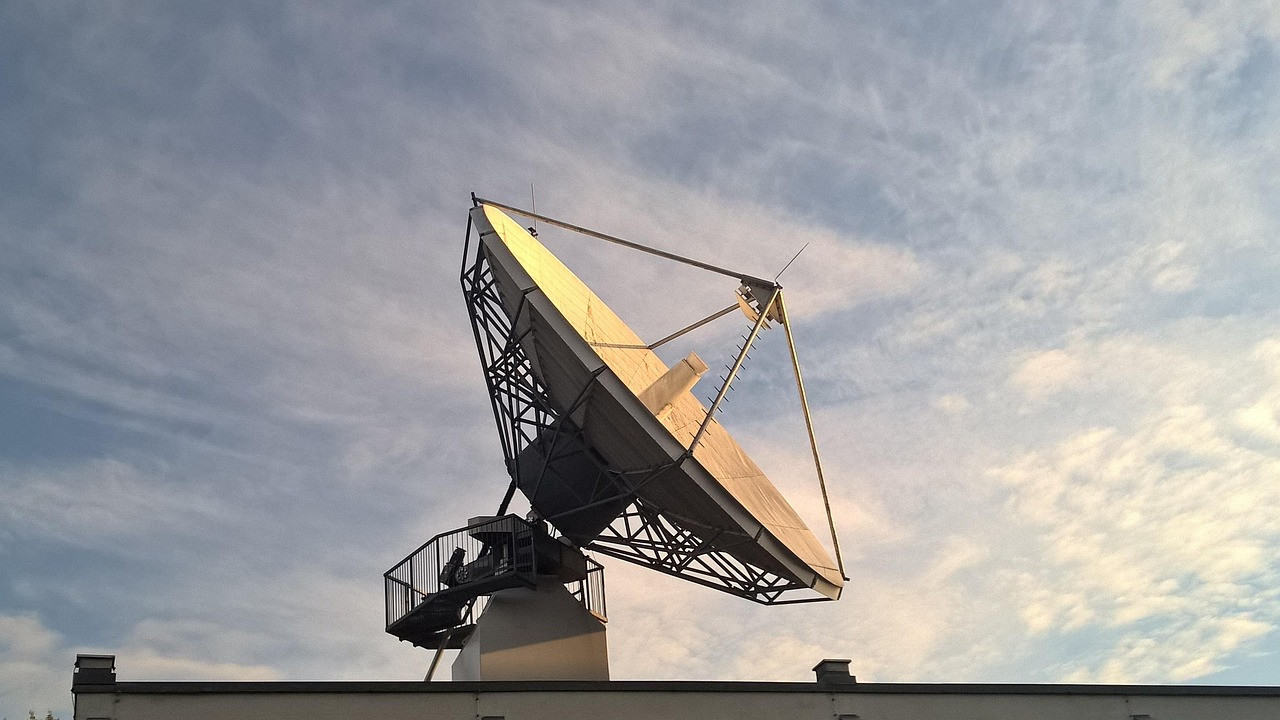
Representative image: ChristophMeinersmann / Pixabay
AST SpaceMobile says intermittent nationwide satellite-to-phone service via AT&T and Verizon will switch on in the US before end-2026, after Q3 revenue of $42.3 million.
What Happened
AST SpaceMobile, a US company building satellites that connect directly to ordinary mobile phones, says it still plans to switch on intermittent nationwide service in the United States through AT&T and Verizon before the end of 2026. The company gave the timeline in its third-quarter business update, filed with the US Securities and Exchange Commission on Monday, 9 November 2026. It reported quarterly revenue of $42.3 million and $3.2 billion in cash, cash equivalents and restricted cash.
Key Facts
- Plan: intermittent nationwide service in the US and other key markets before the end of 2026, with full commercial service to follow later, according to the company.
- Partners: AT&T and Verizon in the US; the service is designed to work with existing smartphones, without special hardware.
- Third-quarter 2026 revenue: $42.3 million, from commercial and US government customers.
- Cash, cash equivalents and restricted cash: $3.2 billion, according to management.
- Fleet: the company targets about 45 BlueBird satellites in orbit by the middle of 2027, and says its launch agreements cover more than 100 BlueBird satellites to be deployed in 2027 and 2028.
- Production is set to reach six satellites a month in December 2026, the company says.
- On 21 October 2026, AT&T reported a successful handoff between its ground network and AST SpaceMobile's satellite network.
Why It Matters
Direct-to-device satellite service means an ordinary phone can connect to a satellite when it is out of range of any mobile tower, for example in mountains, at sea or in remote farmland. In the US, T-Mobile customers already have a direct-to-device service through a different satellite partner. AST SpaceMobile's launch would give customers of the two other big US carriers, AT&T and Verizon, their own version.
"Intermittent" is the key word in the plan. With a partial fleet, satellites will not be overhead at all times, so service will come and go during the day. That is why the company ties full commercial service to having many more satellites in orbit; its production and launch numbers therefore matter as much as its revenue.
The financial picture is that of a company still building its network. Revenue is small compared with its spending, and the business depends on its large cash pile to fund satellite production and launches until paying subscribers arrive in numbers. One report on the results said revenue came in below analysts' forecasts and the quarterly loss was wider than expected, but the shares rose after the company kept its outlook.
For India, the story is not only American. Vodafone Idea has announced a partnership with AST SpaceMobile to bring satellite connectivity directly to smartphones in India, with AST building and operating the satellites and Vodafone Idea handling network integration, spectrum and market access. Any Indian service would first need government licences. Bharti Airtel and Reliance Jio have their own satellite plans with other partners.
Peepals calculation: The $3.2 billion in cash is about 76 times the quarter's $42.3 million revenue (3,200 ÷ 42.3 ≈ 75.7). At the planned rate of six satellites a month, building 45 satellites would take about seven and a half months of production (45 ÷ 6 = 7.5), which shows why the company's target of about 45 in orbit is set for mid-2027. Our calculation from the reported figures.
| AST SpaceMobile | Figure |
|---|---|
| Q3 2026 revenue | $42.3 million |
| Cash, equivalents and restricted cash | $3.2 billion |
| Satellites targeted in orbit by mid-2027 | about 45 |
| Satellites covered by launch agreements (2027-2028) | more than 100 |
| Planned production rate from December 2026 | 6 a month |
Impact
Short-term: AT&T and Verizon customers in the US may begin to see patchy satellite coverage in areas without towers once the company switches on service, as planned, before the end of 2026.
Long-term: If the fleet grows as planned through 2027 and 2028, satellite coverage on ordinary phones could become a standard feature of mobile plans, and partners in other countries, including Vodafone Idea in India, could follow.
Who is affected: AT&T and Verizon subscribers in rural and remote US areas, mobile operators weighing satellite partnerships, rival SpaceX, and Vodafone Idea and its customers in India.
What to watch next: Whether intermittent US service switches on before 31 December 2026, and the company's progress towards about 45 satellites in orbit by mid-2027.
Key Takeaway
AST SpaceMobile plans to switch on patchy satellite-to-phone service for AT&T and Verizon users before the end of 2026, backed by $3.2 billion in cash while its revenue is still $42.3 million a quarter.
Questions and Answers
When will AST SpaceMobile service start for AT&T and Verizon customers?
The company says it plans to activate intermittent nationwide service in the US before the end of 2026, with full commercial service later as more satellites reach orbit.
What is the AST SpaceMobile AT&T Verizon partnership?
AT&T and Verizon have partnered with AST SpaceMobile so their customers' ordinary phones can connect to its BlueBird satellites when out of range of mobile towers. AT&T reported a successful network-to-satellite handoff on 21 October 2026.
How did AST SpaceMobile do in the third quarter of 2026?
It reported revenue of $42.3 million and $3.2 billion in cash, cash equivalents and restricted cash, in its business update of 9 November 2026.
Will AST SpaceMobile come to India?
Vodafone Idea has announced a partnership with AST SpaceMobile for satellite connectivity on smartphones in India, but a service would first need government licences and no launch date has been given.
Disclaimer: Prepared by the Peepals newsroom from publicly available sources with AI assistance. Information is accurate to the best of our knowledge at the time of publication and may change. Images may be representative. Not professional advice. Report an error via our contact page.
By Arjun Mehta, Senior Business EditorCovers Start-ups & Opportunities and more for Peepals Business. All stories by Arjun Mehta
Page Industries share price falls up to 13% as volume growth slows
Olyv raises Rs 57.62 crore in Series C extension led by Nippon India Digital
Get the day's stories in your inbox
Peepals Weekly: the week decoded, free. One email a week, unsubscribe in one click.
Arjun Mehta is a pen name of the Peepals Global Editorial Team, which researches, fact-checks and publishes every story. The portrait is an illustration.