

Ocean Infinity wins £90 million Royal Navy drone deal for Atlantic Net
 By Neha KapoorEconomy Correspondent, Peepals Business
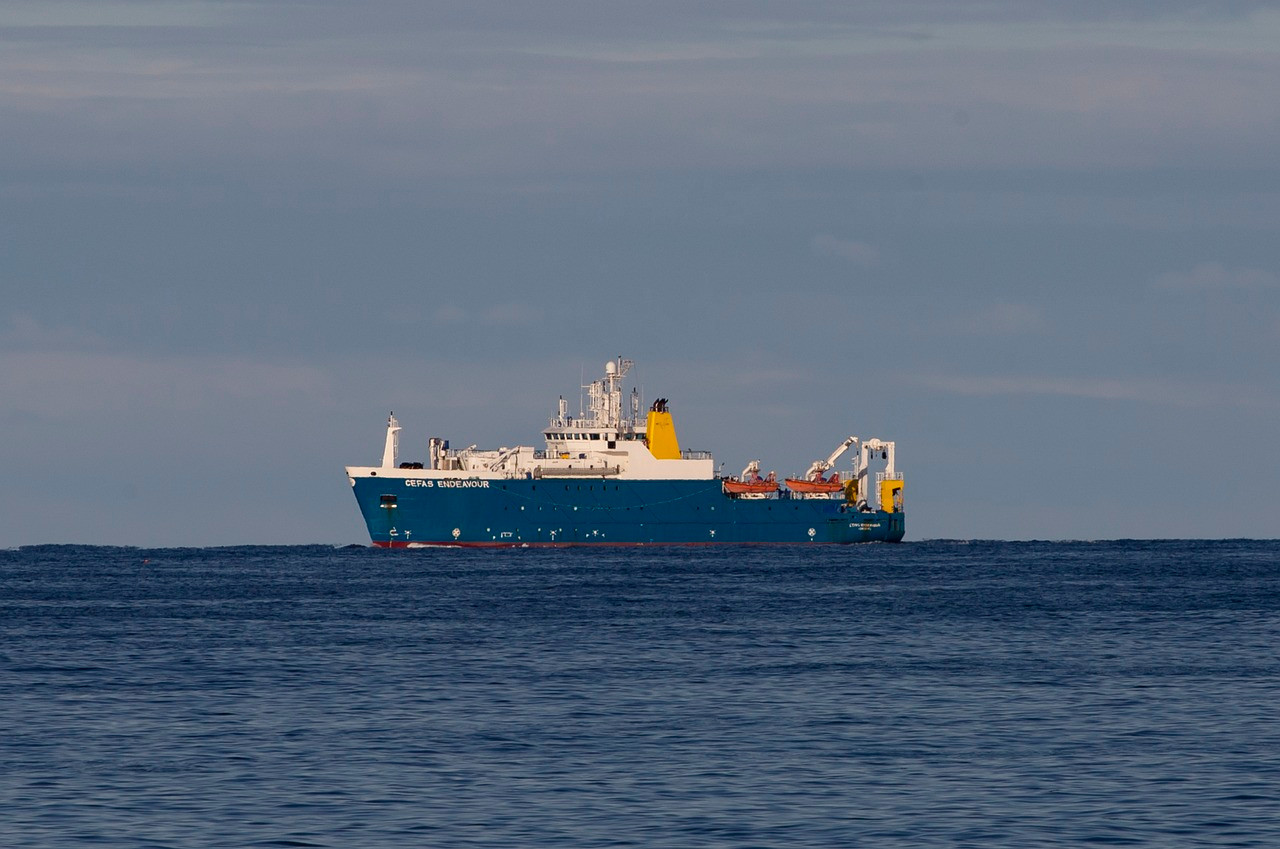
Representative image: TheOtherKev / Pixabay
The UK named Ocean Infinity on 10 November 2026 to own and run a £90 million drone and sensor network, Atlantic Net, that will watch for submarines in the North Atlantic.
What Happened
The United Kingdom's Ministry of Defence on Tuesday, 10 November 2026, named Ocean Infinity Solutions, a Hampshire-based marine technology company, as the commercial mission partner for Atlantic Net, a £90 million network of drones, underwater sensors and artificial intelligence meant to detect submarines in the North Atlantic. Under the framework, the company will own and operate the drones and sensors, while Royal Navy personnel direct the mission. Luke Pollard, the Minister for Defence Readiness and Industry, announced the deal at the International Sea Power Conference in Oslo.
Key Facts
- Value: a £90 million framework with Ocean Infinity Solutions, announced on 10 November 2026.
- Purpose: to track Russian submarines, protect the UK's nuclear deterrent and guard undersea communication cables and energy networks, according to the government.
- Model: the company owns and runs the uncrewed vessels and sensors; Royal Navy staff direct the mission, and data are passed to commanders ashore.
- Jobs: the government says the framework will support almost 200 new skilled jobs plus the company's immediate supply chain.
- Timing: Pollard said in his speech that the money will allow Atlantic Net to become operational from next year; one report notes the ministry did not give a service-entry date in its release.
- Pollard said: "The threats beneath the North Atlantic are changing, and we are changing with them."
- Company record: Ocean Infinity is known for deep-ocean searches, including locating the wreck of the Argentine submarine ARA San Juan in 2018, reports note.
Why It Matters
Atlantic Net is a business story as much as a defence one, because of how it is being bought. Instead of buying ships and sensors outright and crewing them, the Royal Navy is buying a service: a private company supplies and runs the equipment, and the navy pays for the results and controls the mission. This model, common in commercial technology as "as a service" contracts, shifts the cost of building and maintaining the fleet to the supplier and lets the buyer pay over time.
For technology companies, that is a significant opening. Uncrewed systems, sometimes called drones, are boats and underwater vehicles that run without people on board, either by remote control or with automated software. They are cheaper to operate for long periods than crewed warships. Pairing them with fixed underwater sensors and AI software that sorts real threats from background noise is the core of Atlantic Net. A company that already runs such a fleet commercially, as Ocean Infinity does for seabed survey and search, can turn that business into a long-term government contract.
The stakes are tied to infrastructure that data and energy flows depend on: the government names undersea communication cables and energy networks among the things Atlantic Net is meant to protect. Pollard described it as the first of the Royal Navy's new Atlantic Bastion capabilities, the wider plan for defending the North Atlantic.
The ministry also tied the deal to jobs. It says Ministry of Defence spending with industry already directly supports 38,700 jobs in South East England, where the company is based.
Peepals calculation: Spread across the almost 200 new skilled jobs the government expects, the £90 million framework is worth at least about £450,000 per job (90,000,000 ÷ 200). That is the contract's value per job, not the pay per job, since the money also covers vessels, sensors and operations. Our calculation from the reported figures.
| Item | As announced |
|---|---|
| Contract partner | Ocean Infinity Solutions |
| Framework value | £90 million |
| New skilled jobs | almost 200 |
| Who owns the drones | The company |
| Who directs the mission | Royal Navy personnel |
Impact
Short-term: Ocean Infinity will prepare its uncrewed fleet and sensors for the network, and the navy will set up the arrangements to receive and act on the data.
Long-term: If the service model works, it could be used for more of the navy's surveillance tasks, giving private technology firms a larger, steadier role in defence work.
Who is affected: Ocean Infinity and its supply chain, Royal Navy crews and commanders, companies that build marine drones and sensors, and operators of undersea cables and energy links.
What to watch next: Whether Atlantic Net becomes operational in 2027, as the minister indicated in his speech.
Key Takeaway
The UK will pay Ocean Infinity under a £90 million framework to own and run a drone and sensor network that hunts submarines, while the Royal Navy directs the mission.
Questions and Answers
What is the Royal Navy anti-submarine drone investment announced on 10 November 2026?
It is a £90 million framework under which Ocean Infinity Solutions will own and operate drones and underwater sensors for Atlantic Net, a network to detect submarines and protect undersea cables in the North Atlantic.
Who controls the Atlantic Net drones?
The company owns and runs the drones and sensors, but Royal Navy personnel direct the mission and receive the data ashore.
How many jobs will Atlantic Net create?
The UK government says the framework will support almost 200 new skilled jobs and Ocean Infinity's immediate supply chain.
When will Atlantic Net start working?
Minister Luke Pollard said the investment would allow it to become operational from next year, though the ministry's release did not give a fixed date.
Disclaimer: Prepared by the Peepals newsroom from publicly available sources with AI assistance. Information is accurate to the best of our knowledge at the time of publication and may change. Images may be representative. Not professional advice. Report an error via our contact page.
By Neha Kapoor, Economy CorrespondentCovers Economy and more for Peepals Business. All stories by Neha Kapoor
Haryana shrimp farmers get solar subsidy for up to 30 kW, Rs 9 lakh
Rentomojo share price jumps 10% to 52-week high despite 63% profit fall
Get the day's stories in your inbox
Peepals Weekly: the week decoded, free. One email a week, unsubscribe in one click.
Neha Kapoor is a pen name of the Peepals Global Editorial Team, which researches, fact-checks and publishes every story. The portrait is an illustration.