
Tamil Nadu orders control rooms, covered storage to save paddy from rain
 By Arjun MehtaSenior Business Editor, Peepals Business
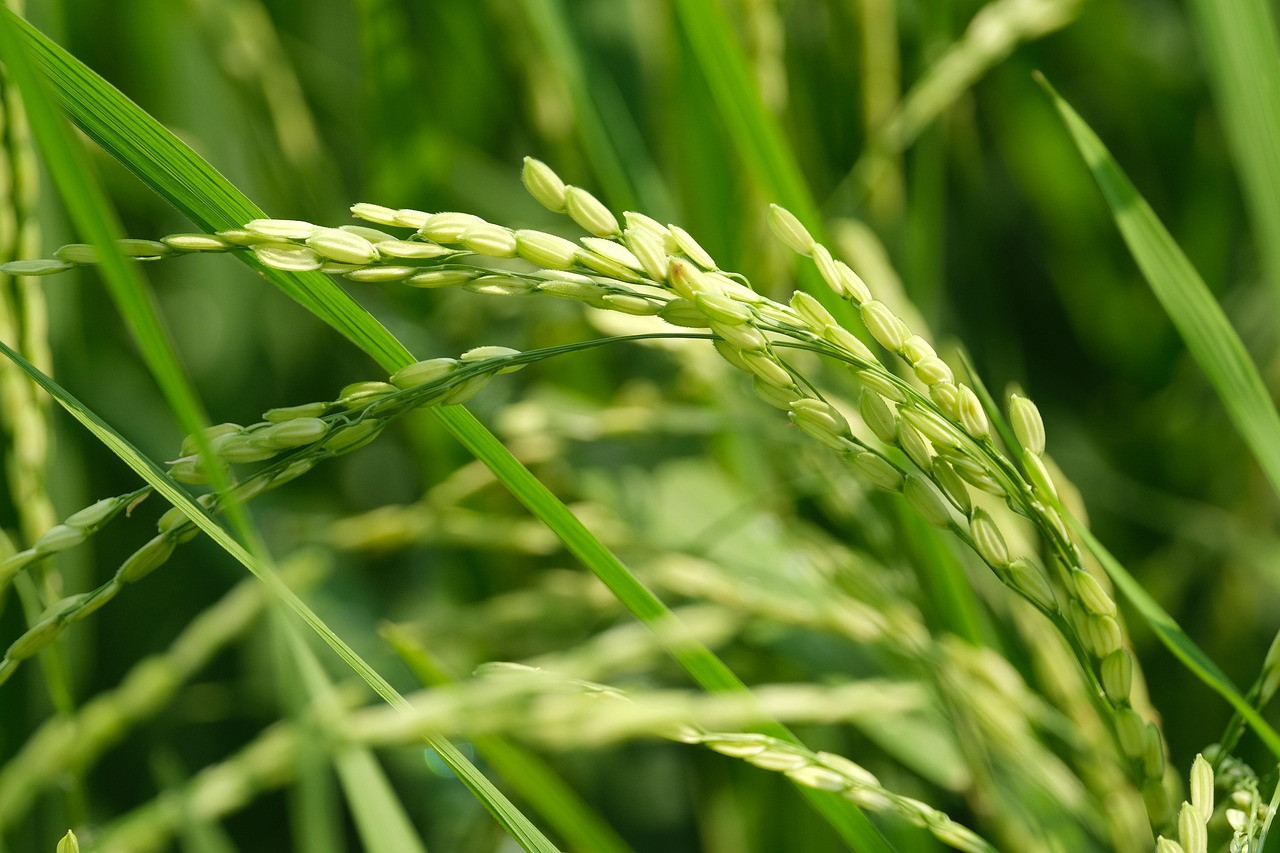
Representative image: ignartonosbg / Pixabay
Tamil Nadu on October 24, 2026 ordered district control rooms, drain clearing and covered stocks at procurement centres to protect standing and harvested paddy from rain.
What Happened
The Tamil Nadu government on Saturday, October 24, 2026, ordered district officials to protect standing paddy in the fields and harvested paddy at procurement centres from rain damage, as the northeast monsoon season brings heavy showers to the state. The state's Agriculture and Farmers' Welfare Minister directed officials to set up district-level control rooms, identify flood-prone fields before the rain intensifies, clear drainage channels, and keep paddy stocks at government procurement centres covered so that the grain does not get wet.
Key Facts
- Date of the order: Saturday, October 24, 2026, issued in Chennai.
- District-level control rooms are to coordinate emergency work and help farmers as weather conditions change.
- Officials must inspect vulnerable and flood-prone farmland before rainfall intensifies.
- Irrigation canals, drainage channels and field waterways are to be cleared of obstructions to prevent waterlogging.
- Agricultural Engineering Department staff are to position tractors, pumps and other equipment at vulnerable locations.
- At government procurement centres, paddy stocks must be secured with protective coverings and, where possible, moved to safer storage.
- Officials have been asked to speed up crop-damage assessments and help eligible farmers obtain relief under existing government schemes.
Why It Matters
For a paddy farmer, the most dangerous days of the season are not always in the growing months. They are the days after harvest, when grain sits in heaps at a procurement centre waiting to be weighed and bought. If that grain gets soaked, its moisture content rises, it can sprout or discolour, and it may be rejected or bought at a lower rate. A single heavy downpour on uncovered stock can wipe out a large part of a family's income for the season.
The order is also about the crop still in the field. Low-lying fields in Tamil Nadu are prone to waterlogging when drains and canals are blocked, and young samba-season paddy can be damaged if water stands on it for days. Clearing channels and placing pumps in advance is cheaper and faster than trying to drain flooded fields after the damage is done.
The move comes at a sensitive time for the state's farm economy. Procurement of paddy through government centres is the main way many small farmers get the minimum support price (MSP), the floor price set by the Centre. Any break in that chain, from wet grain to delays at the centres, pushes farmers to sell to private traders, often at lower prices and with immediate cash needs ahead of the festive season.
For the rural economy more broadly, protecting the paddy crop protects demand. Money from paddy sales pays farm labourers, settles input loans and drives spending in market towns across the Cauvery delta and other rice-growing districts. Losses on a large scale would ripple through local shops, cooperative credit societies and agri-input dealers.
The order sets out precautions, not compensation. Reports of the order did not give rainfall figures or estimates of any damage so far, and farmers who suffer losses will still need their fields assessed by officials before relief can be paid under the schemes that apply to them.
| Measure ordered | Purpose |
|---|---|
| District control rooms | Coordinate emergency response and help farmers |
| Inspection of flood-prone fields | Act before rain intensifies |
| Clearing canals and drains | Prevent waterlogging of standing crops |
| Pumps and tractors at vulnerable spots | Drain fields quickly |
| Covering stocks at procurement centres | Keep harvested grain dry |
Impact
Short-term: Farmers bringing paddy to government procurement centres should see stocks covered and moved where possible, reducing the risk that rain spoils grain awaiting purchase.
Long-term: Faster damage assessment could speed up relief payments; repeated rain losses, however, add to the case for more covered storage at procurement centres.
Who is affected: Paddy farmers and tenant cultivators in Tamil Nadu, farm workers, procurement centre staff, agri-input dealers and rural traders who depend on harvest income.
Key Takeaway
Tamil Nadu has ordered control rooms, drain clearing and covered storage to protect standing and harvested paddy from monsoon rain, aiming to cut losses for farmers during procurement.
Questions and Answers
What did Tamil Nadu order to protect paddy from rain?
On October 24, 2026, the state ordered district control rooms, inspection of flood-prone fields, clearing of canals and drains, pumps and tractors at vulnerable spots, and protective covering for paddy stocks at government procurement centres.
Why is harvested paddy at procurement centres at risk?
Grain waiting to be bought is often stored in the open; if it gets wet, its moisture rises and it can spoil or be rejected, cutting the farmer's income.
Will farmers get compensation for rain damage?
The order asks officials to speed up damage assessments and help eligible farmers get relief under existing government schemes; it does not announce a new compensation package.
Who issued the order?
Tamil Nadu's Agriculture and Farmers' Welfare Minister directed the measures through the state's agriculture department.
Disclaimer: Prepared by the Peepals newsroom from publicly available sources with AI assistance. Information is accurate to the best of our knowledge at the time of publication and may change. Images may be representative. Not professional advice. Report an error via our contact page.
By Arjun Mehta, Senior Business EditorCovers Start-ups & Opportunities and more for Peepals Business. All stories by Arjun Mehta
Cognizant to buy Australian SAP specialist DyFlex Solutions to expand AI services
IndusInd Bank returns to Q2 profit as provisions fall; shares in focus
Arjun Mehta is a pen name of the Peepals Global Editorial Team, which researches, fact-checks and publishes every story. The portrait is an illustration.