
Telangana CID arrests 14 rice millers over fine paddy diversion
 By Rohit SharmaMarkets Analyst, Peepals Business
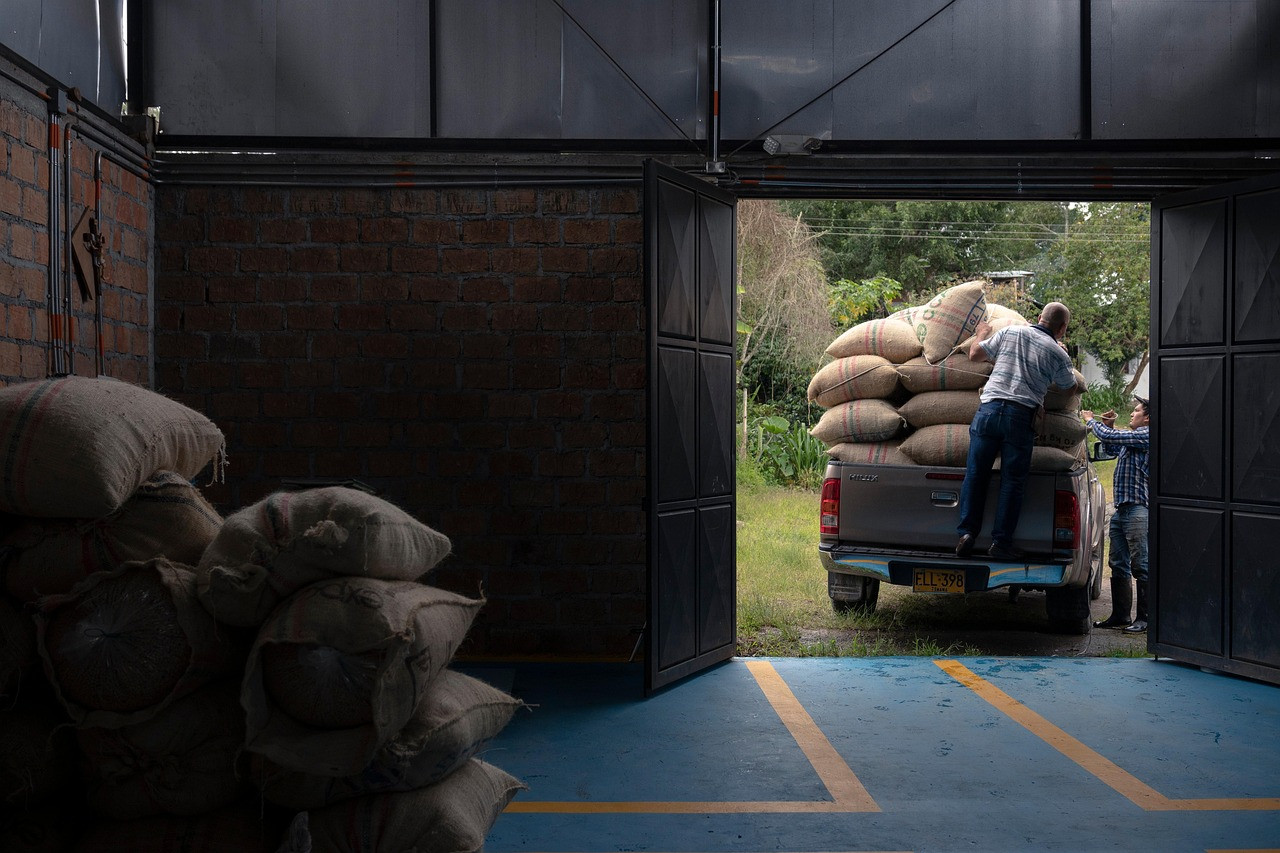
Representative image: HunterProducciones / Pixabay
Telangana CID arrested 14 rice millers on October 25, 2026, alleging they sold fine government paddy on the open market and supplied cheaper coarse rice instead.
What Happened
Telangana's Crime Investigation Department (CID) arrested 14 rice millers on Sunday, October 25, 2026, over the alleged diversion of fine-variety paddy that the state had given them for milling under government procurement. According to the CID, some millers sold the premium "Sanna Rakam" (fine) paddy on the open market and handed back cheaper "Doddu Rakam" (coarse) rice, including rice brought in from other states, in its place. Three criminal cases have been registered, and those arrested were to be produced in court on Monday, October 26.
Key Facts
- Arrests: 14 rice millers, on October 25, 2026, by the Telangana CID.
- The probe followed a complaint dated October 24 from the procurement general manager of the Telangana State Civil Supplies Corporation.
- Allegation: fine Sanna Rakam paddy allotted for custom milling was diverted to the open market and replaced with coarse Doddu Rakam rice, some of it from other states.
- Laboratory analysis found the rice supplied did not match the fine variety specified in the allotments, the CID said.
- Three cases have been registered, citing violations of the Kharif Marketing Season (KMS) 2025-26 custom milled rice agreement, criminal breach of trust and criminal conspiracy, according to CID Director Charu Sinha.
- Reported quantities and losses vary: one account cites 3,385.82 tonnes of coarse rice supplied in place of fine rice across Nizamabad, Karimnagar and Mulugu districts; another says stoppage orders on 45,414.83 tonnes allotted for conversion prevented a potential loss of about Rs 242 crore.
- Investigations are continuing.
Why It Matters
The case goes to the heart of how India's public food system works. Every season, state agencies buy paddy from farmers at the minimum support price. Because the government does not mill rice itself, it hands the paddy to private rice mills under custom milling agreements. The mills hull and polish the paddy and must return a fixed quantity of rice, known as custom milled rice (CMR), to the state or the Food Corporation of India (FCI), which then supplies it to the public distribution system and other welfare schemes.
That arrangement depends on trust and checks. Fine-variety rice fetches a much higher price in the open market than coarse rice. If a miller sells the fine paddy privately and returns cheaper coarse rice, the miller pockets the difference, the government loses money, and the people who are supposed to receive quality rice through welfare schemes end up with an inferior product. According to the CID, laboratory tests caught exactly that mismatch in this case.
The case also matters for farmers. Fine paddy is bought from them at public expense; if it is quietly diverted, the procurement system's purpose and its finances are undermined. Large-scale diversion can also distort open-market prices for both fine and coarse rice.
The estimates of loss differ widely across reports, from about Rs 1.69 crore in lost bonuses in one account to a potential loss of about Rs 242 crore that officials say was prevented by stopping further allotments. The final figures will depend on the investigation. The accused have not been convicted, and the allegations will be tested in court.
Telangana rice milling case: at a glance Item | Detail Arrests | 14 rice millers, October 25, 2026 Agency | Telangana CID Cases registered | Three Allegation | Fine paddy diverted, coarse rice supplied instead
Impact
Short-term: Rice mills handling government paddy in Telangana are likely to face closer inspection and testing during the current kharif procurement season, and the arrested millers face court proceedings.
Long-term: The case may push the state to tighten checks on custom milling, such as more frequent quality testing, stricter tracking of paddy stocks and penalties for defaulting mills, to protect public money and the quality of welfare rice.
Who is affected: Paddy farmers who sell to the government; rice millers working under custom milling agreements; the Telangana Civil Supplies Corporation and the FCI; and families who receive rice through the public distribution system.
Key Takeaway
Telangana's CID arrested 14 rice millers on October 25 on allegations that they diverted fine government paddy to the open market and returned cheaper coarse rice.
Questions and Answers
Why were rice millers arrested in Telangana?
The Telangana CID arrested 14 rice millers on October 25, 2026, alleging that they diverted fine-variety Sanna Rakam paddy given to them for government milling to the open market and supplied cheaper coarse rice instead.
What is custom milled rice?
Custom milled rice (CMR) is rice that private mills produce from paddy procured by the government. The mills must return a fixed quantity of rice to the state or the Food Corporation of India for use in welfare schemes.
How much loss is involved in the Telangana rice case?
Reports differ. One cites about Rs 1.69 crore in lost bonuses on 3,385.82 tonnes of rice, while another says stopping further allotments prevented a potential loss of about Rs 242 crore. The investigation will determine the final figure.
What happens next in the case?
Three cases have been registered, the arrested millers were to be produced in court on October 26, and the CID says investigations are continuing.
Disclaimer: Prepared by the Peepals newsroom from publicly available sources with AI assistance. Information is accurate to the best of our knowledge at the time of publication and may change. Images may be representative. Not professional advice. Report an error via our contact page.
By Rohit Sharma, Markets AnalystCovers Markets Watch and more for Peepals Business. All stories by Rohit Sharma
Jio IPO allotment due today; shares to list on October 28
India's crude basket averages $120 in October, highest since 2012
Rohit Sharma is a pen name of the Peepals Global Editorial Team, which researches, fact-checks and publishes every story. The portrait is an illustration.