
Kolhapur cane growers rally for Rs 4,500 a tonne first payment
 By Arjun MehtaSenior Business Editor, Peepals Business
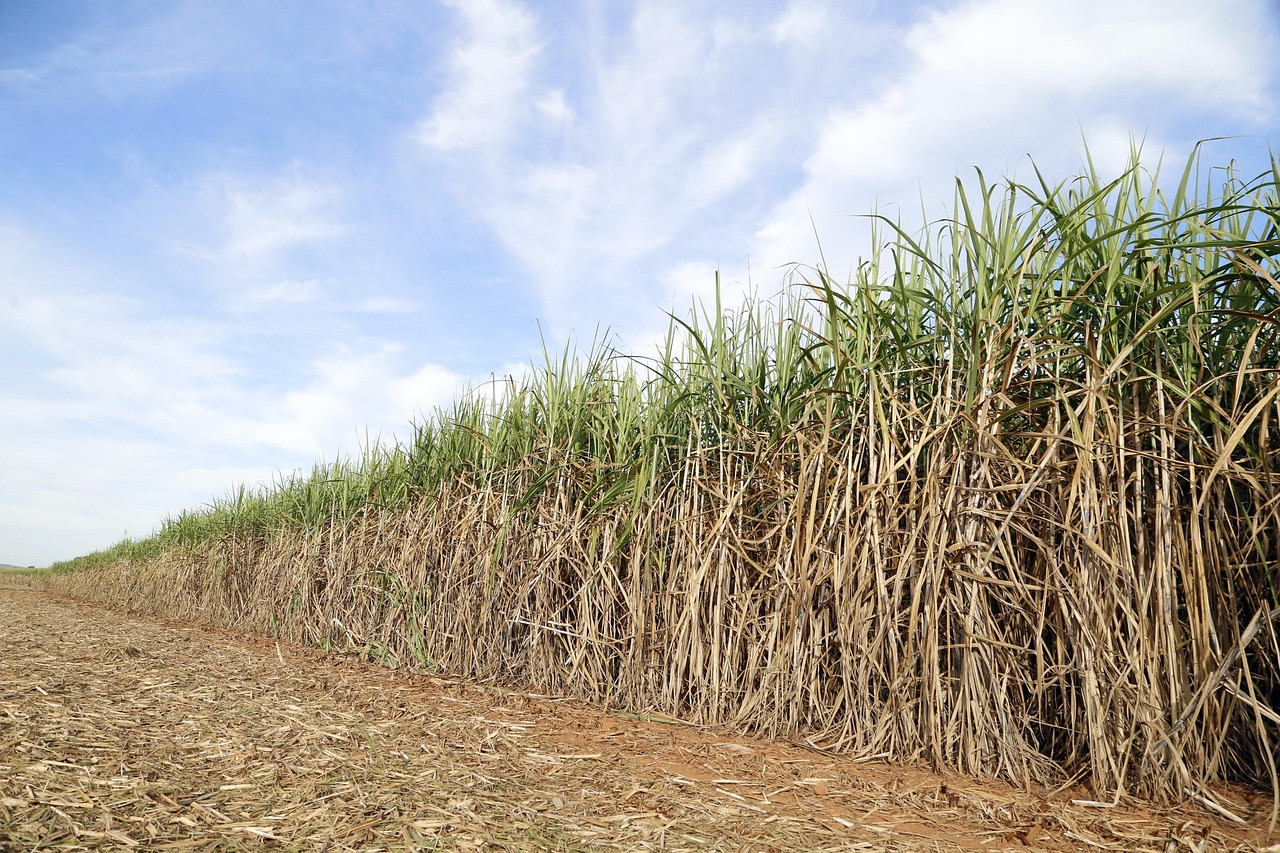
Representative image: joaolimafotografias / Pixabay
Raju Shetti's Swabhimani Shetkari Sanghatana led a 185-km bike rally in Kolhapur on 25 October 2026, seeking a Rs 4,500 a tonne first cane payment from mills.
What Happened
Sugarcane growers in Kolhapur district of Maharashtra took to the roads on Sunday, 25 October 2026, demanding that sugar mills pay them Rs 4,500 a tonne as the first instalment for cane supplied this season. The Swabhimani Shetkari Sanghatana, the farmers' organisation led by Raju Shetti, ran a motorcycle rally of about 185 km through five talukas, starting outside the tehsildar's office at Hatkanangale and ending with a public meeting at Kasba Sangaon in Kagal taluka. At that meeting, the organisation gave mill managements and the district administration four days to agree on the payment terms and announce them.
Key Facts
- Date and place: 25 October 2026, across five talukas of Kolhapur district, from Hatkanangale to Kasba Sangaon in Kagal taluka.
- Distance: about 185 km by motorcycle, with hundreds of the organisation's workers and cane growers taking part, according to reports of the rally.
- Demand: a first payment of Rs 4,500 a tonne, plus a commitment from mills to pay a further Rs 500 a tonne later in the season.
- Deadline: four days for mills and the administration to reach an agreement and make the rate public.
- Earlier call: on 21 October, Shetti asked growers to keep harvested cane in their fields for another eight to 10 days instead of sending it to mills, according to UNI.
- Season: Maharashtra fixed 15 October 2026 as the start of the 2026-27 crushing season; 65 mills had begun crushing by 22 October, out of 158 that had received crushing licences by then.
- Central floor price: the fair and remunerative price (FRP) for 2026-27 is Rs 365 a quintal, or Rs 3,650 a tonne, at a basic sugar recovery of 10.25%.
Why It Matters
Kolhapur and the rest of western Maharashtra form one of India's densest sugar belts, with a large number of cooperative mills owned by the growers who supply them. Every year, before the mills run at full speed, farmer groups and mill managements bargain over the "first instalment", the amount a mill pays on delivery of cane before the season's final accounts are settled. That first payment matters more to a grower's cash flow than the final rate, because it arrives when loans for fertiliser, labour and transport fall due.
The law sets only a floor. The fair and remunerative price is fixed by the Centre for the whole country and rises or falls with the sugar recovery of each mill. At the 2026-27 FRP of Rs 3,650 a tonne for a 10.25% recovery, a mill in a high-recovery area such as Kolhapur is already required to pay more than that base figure. The Swabhimani Shetkari Sanghatana's demand of Rs 4,500 a tonne as an upfront payment is a negotiating position well above that floor, and it is the figure the organisation now wants every mill in the district to match.
The timing is pressure on the mills. Crushing has started slowly in western Maharashtra, where the agitation has been strongest, and every week of delay shortens a season that the industry expects to last about 90 to 100 days. Mills need steady cane supply to run economically, while farmers fear that cane left standing loses weight and sugar content. The four-day deadline therefore sets up a short test of who blinks first.
The dispute also connects to national policy. Shetti has asked the Maharashtra government to make mills announce their 2026-27 cane prices promptly, and has pressed for a higher minimum selling price for sugar. He has said Union Food Minister Prahlad Joshi assured farmer organisations that a committee would take a decision on revising that minimum selling price before 20 November. A higher selling price for sugar would give mills more room to pay growers.
| Demand | Amount |
|---|---|
| FRP 2026-27 (Centre, at 10.25% recovery) | Rs 3,650 a tonne |
| First instalment sought by the Sanghatana | Rs 4,500 a tonne |
| Further payment sought later in the season | Rs 500 a tonne |
Impact
Short-term: Crushing in Kolhapur and nearby districts could stay slow until mills announce a first-instalment rate that the organisation accepts. Growers who follow the call to hold cane in the fields face a trade-off between a better price and the risk of drying cane.
Long-term: Whatever rate Kolhapur's mills settle on will shape grower incomes across the district for the season. A higher first payment raises mills' working-capital needs, which in turn depends on bank credit and on sugar and ethanol prices.
Who is affected: Sugarcane growers and harvest workers in western Maharashtra, cooperative and private sugar mills, transporters who move cane, and, through the national debate on sugar prices, consumers and the ethanol programme.
Key Takeaway
Kolhapur's cane growers have asked for Rs 4,500 a tonne upfront, well above the Rs 3,650 a tonne central floor, and given mills four days to respond as the 2026-27 crushing season gathers pace.
Questions and Answers
What sugarcane rate is Raju Shetti's organisation demanding in Kolhapur?
The Swabhimani Shetkari Sanghatana wants sugar mills to pay Rs 4,500 a tonne as the first instalment for cane supplied in the 2026-27 season, and to commit to a further Rs 500 a tonne later.
What is the official minimum price for sugarcane in 2026-27?
The Centre's fair and remunerative price for the 2026-27 season is Rs 365 a quintal, which is Rs 3,650 a tonne, linked to a basic sugar recovery of 10.25%. Mills with higher recovery must pay proportionately more.
What deadline did the farmers' organisation set?
At the end of the 25 October 2026 rally, held at Kasba Sangaon in Kagal taluka, it gave sugar mills and the Kolhapur district administration four days to agree on payment terms and announce them.
Has Maharashtra's sugar crushing season started?
Yes. The state fixed 15 October 2026 as the season's start. By 22 October, 65 mills had begun crushing out of 158 that had been given crushing licences, with western Maharashtra slower because of the price agitation.
Disclaimer: Prepared by the Peepals newsroom from publicly available sources with AI assistance. Information is accurate to the best of our knowledge at the time of publication and may change. Images may be representative. Not professional advice. Report an error via our contact page.
By Arjun Mehta, Senior Business EditorCovers Start-ups & Opportunities and more for Peepals Business. All stories by Arjun Mehta
L&T Technology Services wins five-year Nokia engineering and R&D contract
Unacademy founders raising Rs 700 crore Longshot fund for AI, deeptech
Arjun Mehta is a pen name of the Peepals Global Editorial Team, which researches, fact-checks and publishes every story. The portrait is an illustration.