
Telangana fine paddy hits Rs 5,016 a quintal, straining ration rice buying
 By Neha KapoorEconomy Correspondent, Peepals Business
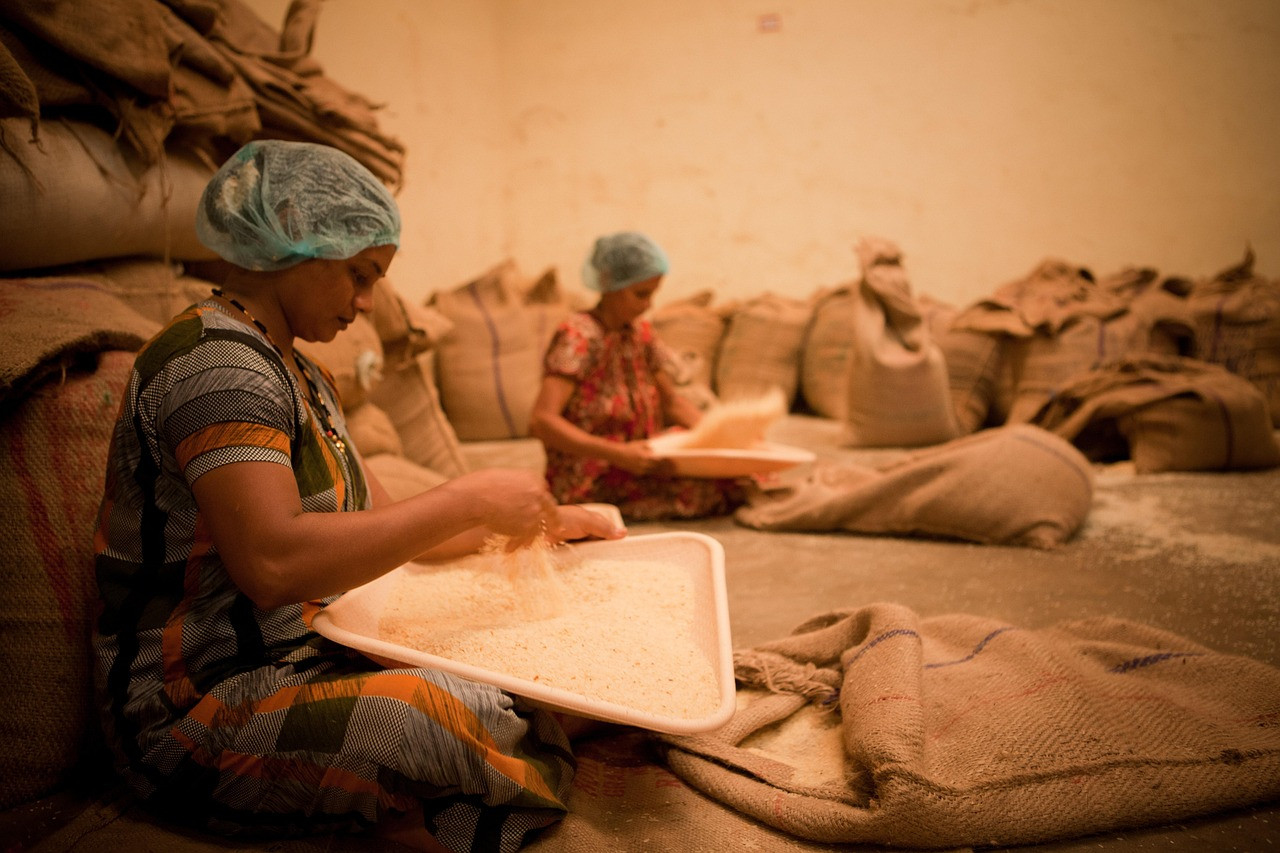
Representative image: akshayapatra / Pixabay
Jai Sriram fine paddy fetched a record Rs 5,016 a quintal at Kesamudram, far above Telangana's Rs 2,961 support price, making fine rice for ration shops harder to buy.
What Happened
Fine paddy prices in Telangana's open markets have climbed far above the state's procurement price this kharif season, and the gap is now making it hard for the government to buy fine rice for ration shops, according to reports from 24 to 26 October 2026. At the Kesamudram agricultural market in Mahabubabad district, the Jai Sriram variety fetched a record Rs 5,016 a quintal in an e-NAM auction, against Rs 2,961 a quintal that eligible fine varieties earn at government procurement centres, including the state's bonus.
Key Facts
- Government price for 2026-27: Rs 2,441 a quintal for common paddy and Rs 2,461 for Grade-A, with a Rs 500 bonus on eligible fine varieties, taking them to Rs 2,961.
- The bonus covers seven named fine varieties, including RNR 15048, Jai Sriram and HMT Sona.
- Record: Rs 5,016 a quintal for Jai Sriram at Kesamudram, for five bags sold through an e-NAM auction; the same market had earlier touched Rs 5,000.
- RNR variety paddy was reported at about Rs 4,200 to Rs 4,300 a quintal in the same market.
- Private traders have been offering Rs 4,000 to Rs 4,600 a quintal for fine paddy, according to Telangana Today; traders from Maharashtra, Karnataka and Tamil Nadu are buying in districts such as Nizamabad, Karimnagar, Khammam and Rangareddy, according to BigMint, with some paying advances before harvest.
- Retail fine rice in Hyderabad sells at about Rs 85 to Rs 90 a kg, and a 25-kg bag has risen by Rs 300 to Rs 400 in 30 to 45 days, according to Telangana Today.
- Officials fear that primary agricultural cooperative societies (PACS) and Indira Kranthi Patham (IKP) centres, the state's buying points, will receive little fine paddy.
Why It Matters
Telangana's government buys paddy from farmers at a fixed price through thousands of village centres run by PACS and women's self-help groups under IKP. The rice milled from that paddy feeds the public distribution system (PDS), the network of ration shops that supplies subsidised grain to poor households. The state has put fine rice, rather than coarse rice, at the centre of its ration supply, so it needs large quantities of fine varieties every season.
That system works only when the government price is attractive enough for farmers to sell to it. This season it is not, at least for fine paddy. When private traders offer Rs 4,000 or more a quintal and the government pays Rs 2,961, a farmer selling 50 quintals could earn tens of thousands of rupees more by going to the private market. Farmers are therefore selling fine paddy to traders and millers, many from neighbouring states, and the procurement centres risk ending up with mainly common varieties.
Telangana's Chief Minister has linked the rise in fine rice prices to El Niño conditions, according to reports. El Niño is a periodic warming of the Pacific Ocean that often weakens or disrupts India's monsoon, and fears of lower output can push traders to buy and stock grain early. Higher paddy prices are passing through to consumers: fine rice in Hyderabad shops costs around Rs 85 to Rs 90 a kg.
| Fine paddy in Telangana | Price per quintal |
|---|---|
| Common paddy, state price | Rs 2,441 |
| Grade-A paddy, state price | Rs 2,461 |
| Fine varieties with Rs 500 bonus | Rs 2,961 |
| Private offers (reported range) | Rs 4,000 to Rs 4,600 |
| Record, Jai Sriram at Kesamudram | Rs 5,016 |
Impact
Short-term: Farmers growing fine varieties are getting some of the best prices they have seen. The state's civil supplies machinery faces a shortfall in fine paddy for milling, which may force it to raise its bonus, buy from the open market at higher cost, or adjust ration supplies.
Long-term: If high open-market prices persist, the state may have to rethink how it secures fine rice for the PDS, for example through higher support prices or contracts with growers. Farmers may also shift more land to fine varieties in coming seasons.
Who is affected: Fine-paddy farmers and traders in Telangana; ration card holders who depend on fine rice from ration shops; rice millers; and city households paying more for fine rice in shops.
Key Takeaway
Record open-market prices of up to Rs 5,016 a quintal are a windfall for Telangana's fine-paddy farmers but a problem for the state's plan to supply fine rice through ration shops.
Questions and Answers
What is the record price of paddy in Telangana?
Jai Sriram fine paddy sold for Rs 5,016 a quintal at the Kesamudram agricultural market in Mahabubabad district, in an e-NAM auction of five bags, according to reports dated around 24 to 26 October 2026.
What does the Telangana government pay for paddy in 2026-27?
Rs 2,441 a quintal for common paddy and Rs 2,461 for Grade-A paddy, plus a Rs 500 bonus on eligible fine varieties, which takes them to Rs 2,961 a quintal.
Why is this a problem for ration shops?
Telangana supplies fine rice through its public distribution system. With private traders paying far more than the government price, farmers are selling fine paddy privately, so procurement centres may not collect enough for milling into ration rice.
Why have fine paddy prices risen so much?
Reports point to strong demand from traders, including buyers from Maharashtra, Karnataka and Tamil Nadu, and the Chief Minister has linked the rise to El Niño conditions that raise worries about supply.
Disclaimer: Prepared by the Peepals newsroom from publicly available sources with AI assistance. Information is accurate to the best of our knowledge at the time of publication and may change. Images may be representative. Not professional advice. Report an error via our contact page.
By Neha Kapoor, Economy CorrespondentCovers Economy and more for Peepals Business. All stories by Neha Kapoor
Infosys share drops 4% to Rs 1,107 as brokerages split on guidance cut
Audi to build first US factory, a $4 billion Georgia plant, amid tariffs
Neha Kapoor is a pen name of the Peepals Global Editorial Team, which researches, fact-checks and publishes every story. The portrait is an illustration.