
Punjab stubble fires hit 510 as Centre pushes paddy straw sales
 By Rohit SharmaMarkets Analyst, Peepals Business
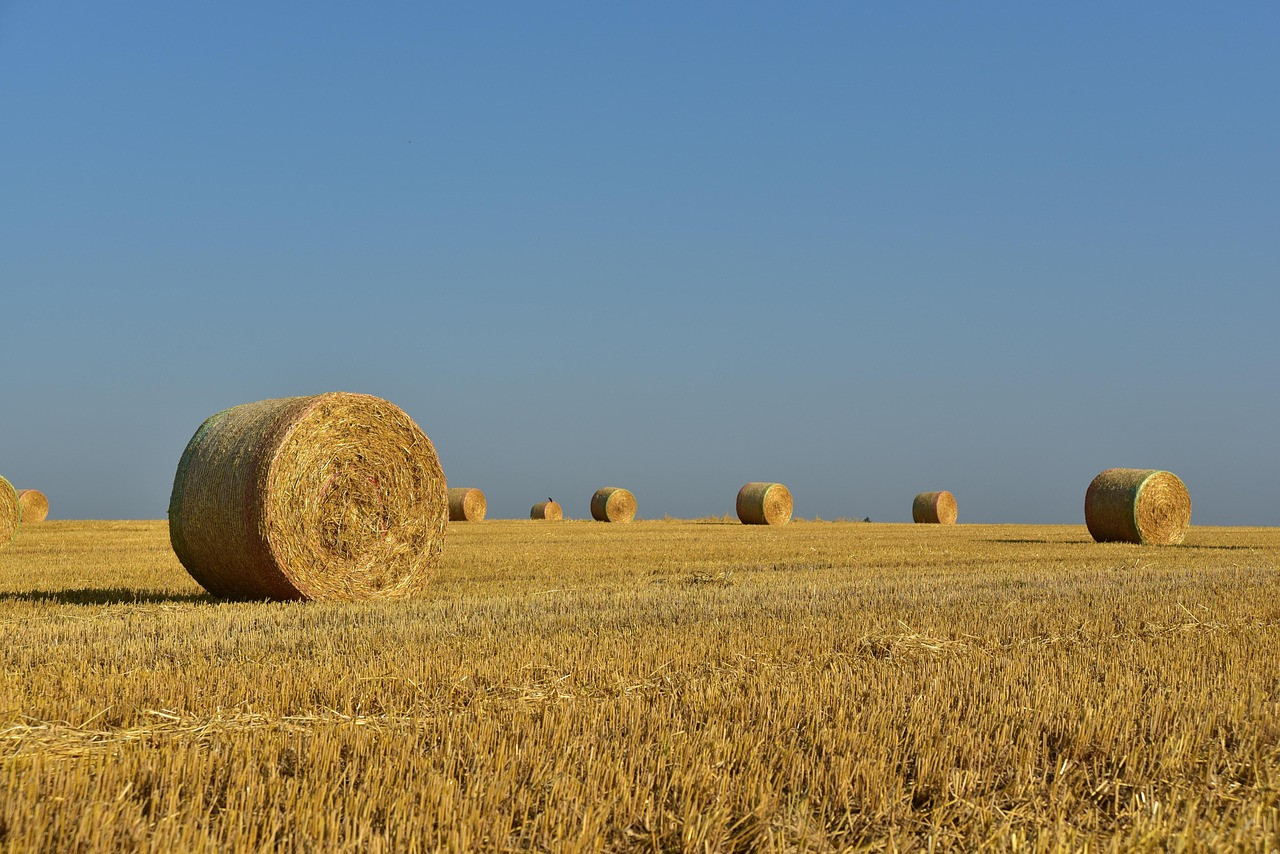
Representative image: ulleo / Pixabay
Punjab logged 510 stubble fires by October 22, 2026, with fines in 184 cases, as Agriculture Minister Chouhan told farmers straw can sell for Rs 200-250 a quintal.
What Happened
Punjab recorded 510 incidents of paddy stubble burning this season up to October 22, 2026, according to a report of the Punjab Pollution Control Board, and environmental compensation, a fine for burning, has been imposed in 184 of them. Tarn Taran and Amritsar districts account for most of the fires. On the same day, Union Agriculture Minister Shivraj Singh Chouhan, speaking to farmers in Haryana's Karnal district, urged them to stop burning stubble and said crop residue can be sold for Rs 200 to Rs 250 a quintal if it is collected properly.
Key Facts
- Punjab stubble-burning incidents this season: 510, up to October 22, according to the Punjab Pollution Control Board.
- Officials physically inspected 467 of the sites and imposed environmental compensation in 184 cases.
- Fines imposed so far total Rs 9.30 lakh, of which Rs 4.93 lakh has been recovered.
- Tarn Taran district reported 247 incidents and Amritsar 136, together about three-quarters of the state total.
- Other districts with reported fires include Gurdaspur (32), Ferozepur (26) and Kapurthala (18).
- Chouhan said residue can be harvested with a cutter, gathered with a rake and bundled with a baler, and then sold for Rs 200 to Rs 250 a quintal.
- He spoke on Thursday, October 22, at Karnal during the launch of the Centre's Khet Bachao Abhiyan for the rabi season.
Why It Matters
Every October, after the paddy harvest, farmers in Punjab and Haryana have a short window, often only two or three weeks, to clear their fields and sow wheat. Setting the leftover straw on fire is the quickest and cheapest way to do it. But the smoke adds to the air pollution that covers north India, including Delhi, in late October and November, and the fires burn nutrients and useful soil organisms along with the straw.
The government's approach has two parts: penalties for burning, and an effort to turn straw into something farmers can sell. The Punjab figures show the penalty side. Fines have been imposed in 184 of 510 cases, but the amounts are small, Rs 9.30 lakh in total, and only about half has been collected. Chouhan's remarks show the other side: the claim that straw is a product with a market price, not waste.
Whether that price is real for a farmer depends on local demand. Straw bundled into bales can be used by biomass power plants, compressed biogas plants, paper and packaging units, and as cattle fodder. Where such buyers are nearby, a farmer can earn money and save the cost of clearing the field. Where they are not, the cost of hiring cutters, rakes and balers, and of moving bulky bales, can wipe out the gain. That is why the spread of fires is uneven: two border districts, Tarn Taran and Amritsar, account for most of this season's cases so far.
For the rural economy, a working straw market is a business opportunity in itself. Baler operators, machinery-hire centres, transporters and the units that buy straw all create local jobs and income, often through farmer cooperatives and small rural enterprises.
| | District | Incidents | Fines imposed | |
|---|---|---|
| | Tarn Taran | 247 | 97 | |
| | Amritsar | 136 | 51 | |
| | Punjab total | 510 | 184 | |
Impact
Short-term: The number of fires usually rises sharply in the last week of October and the first half of November, when most of the paddy is cut. Officials will be watching Tarn Taran and Amritsar closely, and more fines are likely as inspections continue.
Long-term: Stubble burning will only fall for good if selling or reusing straw becomes cheaper and easier for a farmer than burning it. That needs more balers and storage near villages, and more plants that buy straw at a steady price.
Who is affected: Paddy farmers in Punjab and Haryana, who face fines and pressure to change methods; small businesses that hire out machinery or buy straw; and millions of people in north India whose air quality worsens in this season.
Key Takeaway
Punjab had 510 stubble fires and 184 fines by October 22, 2026, and the Centre is now pitching paddy straw as a saleable product worth Rs 200 to Rs 250 a quintal to persuade farmers to stop burning it.
Questions and Answers
How many stubble burning cases has Punjab recorded in 2026?
According to the Punjab Pollution Control Board, Punjab recorded 510 stubble-burning incidents this season up to October 22, 2026. Environmental compensation was imposed in 184 cases.
Which Punjab districts have the most farm fires this season?
Tarn Taran, with 247 incidents, and Amritsar, with 136, have the most. Together they account for about three-quarters of the state's reported cases so far.
How much can farmers earn by selling paddy straw?
Union Agriculture Minister Shivraj Singh Chouhan said on October 22, 2026, that crop residue can be sold for Rs 200 to Rs 250 a quintal if it is cut, gathered with a rake and bundled with a baler. The actual price depends on local buyers.
How much has been collected in stubble burning fines?
Fines of Rs 9.30 lakh have been imposed in Punjab this season, and Rs 4.93 lakh had been recovered by October 22, 2026.
Disclaimer: Prepared by the Peepals newsroom from publicly available sources with AI assistance. Information is accurate to the best of our knowledge at the time of publication and may change. Images may be representative. Not professional advice. Report an error via our contact page.
By Rohit Sharma, Markets AnalystCovers Markets Watch and more for Peepals Business. All stories by Rohit Sharma
Wheat prices hit 14-week low on Black Sea peace hopes; down 21% from peak
Rupee defence drains another $5 billion from RBI's dollar stockpile
Rohit Sharma is a pen name of the Peepals Global Editorial Team, which researches, fact-checks and publishes every story. The portrait is an illustration.