
Cyclone Murasu: Andhra asks paddy, chilli growers to drain fields, delay spraying
 By Rohit SharmaMarkets Analyst, Peepals Business
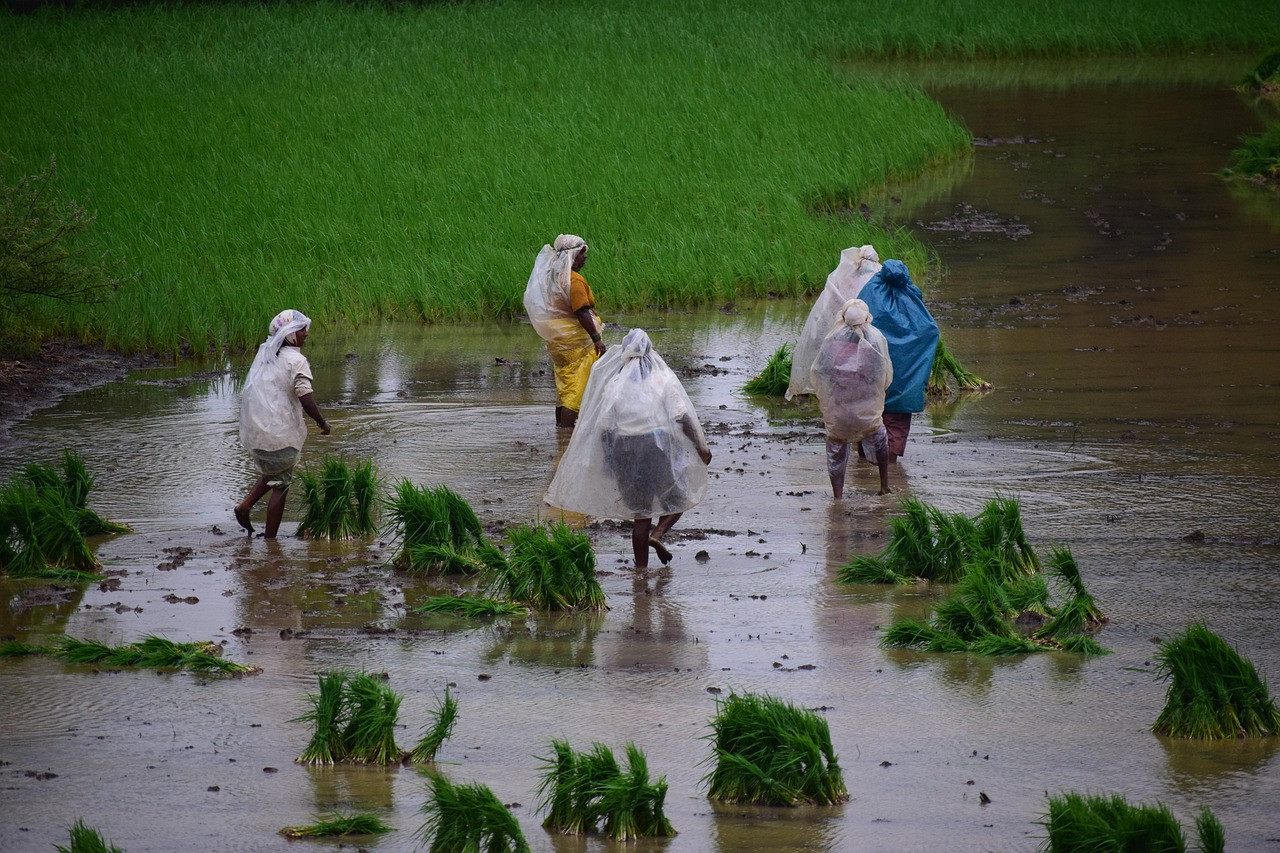
Representative image: ZeydL / Pixabay
With Cyclone Murasu due to cross the south Andhra coast overnight on November 2-3, the state told farmers to drain fields, store harvested grain and postpone spraying.
What Happened
Andhra Pradesh's Agriculture Minister K. Atchannaidu has told farmers in districts in the path of Cyclone Murasu, including Nellore and Prakasam, to clear drainage channels in their fields, move harvested produce to safe, covered places and put off harvesting, pesticide spraying and fertiliser application until the weather improves. The India Meteorological Department (IMD) upgraded Murasu to a severe cyclonic storm on Monday, November 2, 2026, and expects it to cross the south Andhra Pradesh coast between Nellore and Narsapur, close to Ongole, late on November 2 or early on November 3, with winds of 100 to 110 km per hour gusting to 120 km per hour.
Key Facts
- The advisory covers paddy, cotton, chilli and horticulture growers in the districts flagged for the storm, with particular caution for Nellore and Prakasam.
- Farmers were told to clear field drains to prevent waterlogging, and to shift harvested produce to safe places and cover it from rain.
- Harvesting, pesticide spraying and fertiliser application are to be postponed until the weather clears.
- Farmers were advised to stay out of fields during strong winds and lightning and to keep livestock in safe places.
- Agriculture, horticulture, animal husbandry and fisheries officials were told to stay in villages, advise farmers with scientists, keep seeds and inputs ready, and report damage.
- Nellore, Prakasam, Bapatla and Krishna districts have been flagged for a severe impact; an IMD scientist warned of significant damage to agriculture.
Why It Matters
The timing is the main worry. November is the harvest period for the kharif, or monsoon-season, paddy crop in coastal Andhra Pradesh. Grain that is ready to cut is most at risk: strong winds flatten mature plants, standing water makes the grain sprout or rot in the field, and harvested paddy left in open yards can be soaked. Seawater pushed inland by a storm surge can also damage fields close to the coast. Cotton bolls, chilli plants and orchards are vulnerable to wind and waterlogging as well.
The storm also comes on top of earlier losses. Coastal Andhra Pradesh is still recovering from Cyclone Arnab, which damaged infrastructure, power lines and standing crops in late October. For many farmers, a second storm in about a week means a second round of costs to drain fields, dry grain and replant where needed.
The advice to delay spraying and fertiliser is practical. Rain washes chemicals off leaves and soil, so money spent just before a storm is largely wasted, and spraying in wind can harm the person spraying. Clearing drains is the single most useful step, because the faster water leaves a field, the less the roots and grain suffer.
For the rural economy, the effects go beyond the farm. Rice mills, traders, transporters and farm workers in Nellore and Prakasam depend on a steady harvest in November and December. Any large crop loss would also affect the state's paddy procurement plans for the season.
Impact
Short-term: Harvesting and field work in south coastal Andhra Pradesh will stop for at least two to three days. Farmers with grain in the open need covered storage or tarpaulins at once, and the extent of the damage will be known only after the water drains.
Long-term: A second cyclone loss this season would raise demand for crop insurance claims and state input subsidies, and is likely to renew calls for better drainage and storage in coastal mandals.
Who is affected: Paddy, cotton, chilli and fruit growers in Nellore, Prakasam, Bapatla and Krishna districts; tenant farmers who have the least cushion against losses; farm labourers, rice millers and traders; and fishing communities on the coast.
Key Takeaway
Andhra Pradesh has told farmers in Cyclone Murasu's path to drain fields, store harvested grain under cover and delay spraying, as the severe cyclonic storm heads for landfall near Ongole during the November kharif paddy harvest.
Questions and Answers
What has Andhra Pradesh told farmers to do before Cyclone Murasu?
Agriculture Minister K. Atchannaidu told farmers to clear drainage channels, move harvested produce to safe, covered places, delay harvesting, pesticide spraying and fertiliser use, stay out of fields during strong winds and lightning, and keep livestock safe.
Which districts are most at risk from Cyclone Murasu?
Nellore, Prakasam, Bapatla and Krishna districts have been flagged for a severe impact. The storm is expected to cross the coast between Nellore and Narsapur, close to Ongole.
Why is this cyclone a big risk for paddy farmers?
It comes during the November harvest of the kharif paddy crop, when mature plants can be flattened by wind and grain in the field or in open yards can be soaked or start to sprout. Coastal farmers are also still recovering from Cyclone Arnab in late October.
When will Cyclone Murasu make landfall?
The India Meteorological Department expects it late on November 2 or early on November 3, 2026, with winds of 100 to 110 km per hour gusting to 120 km per hour.
Disclaimer: Prepared by the Peepals newsroom from publicly available sources with AI assistance. Information is accurate to the best of our knowledge at the time of publication and may change. Images may be representative. Not professional advice. Report an error via our contact page.
By Rohit Sharma, Markets AnalystCovers Markets Watch and more for Peepals Business. All stories by Rohit Sharma
AgiBot proposes 'Worken' to measure how much work robots really do
Affle to buy Israel's Perion for $420 million in all-cash ad-tech deal
Get the day's stories in your inbox
Peepals Weekly: the week decoded, free. One email a week, unsubscribe in one click.
Rohit Sharma is a pen name of the Peepals Global Editorial Team, which researches, fact-checks and publishes every story. The portrait is an illustration.