
Karnataka cane growers escalate with bandh, Jail Bharo over Rs 5,500 price demand
 By Rohit SharmaMarkets Analyst, Peepals Business
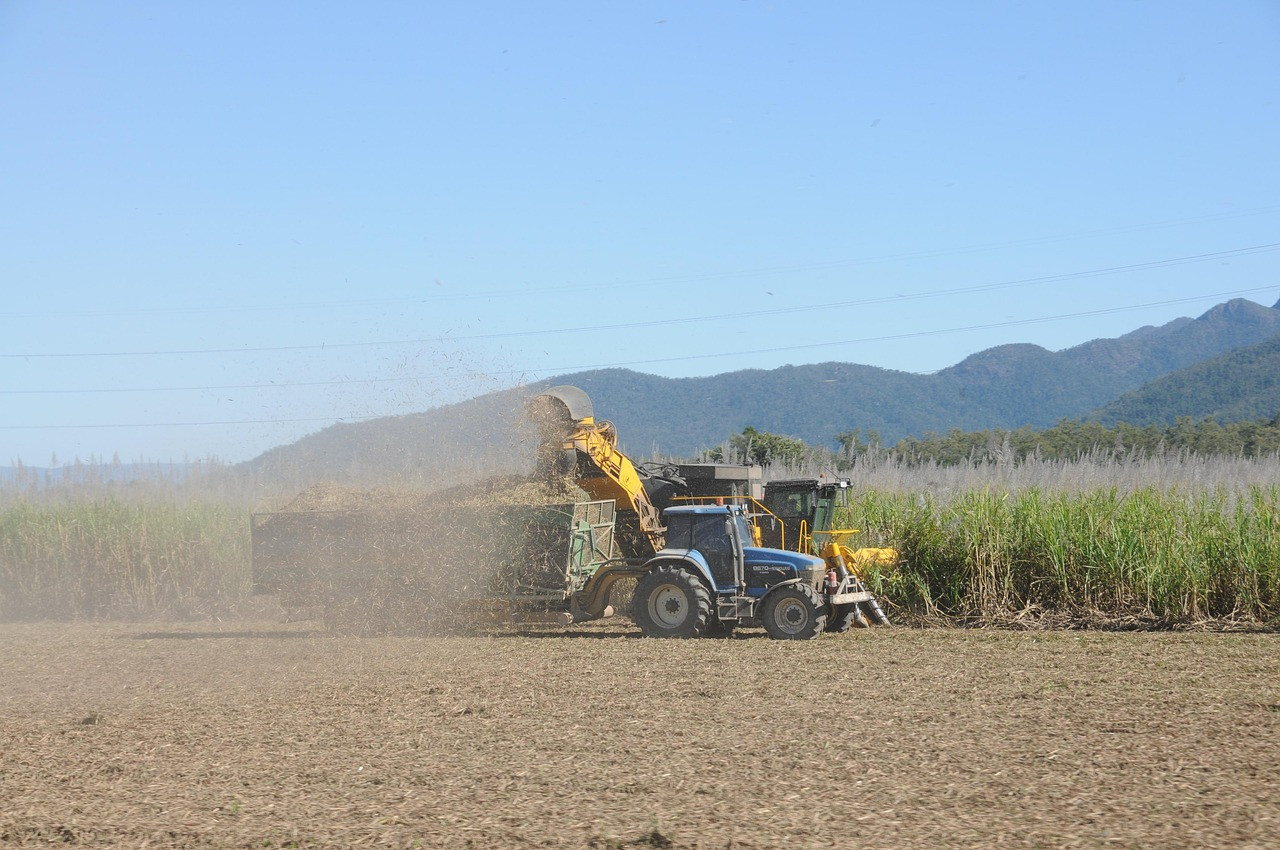
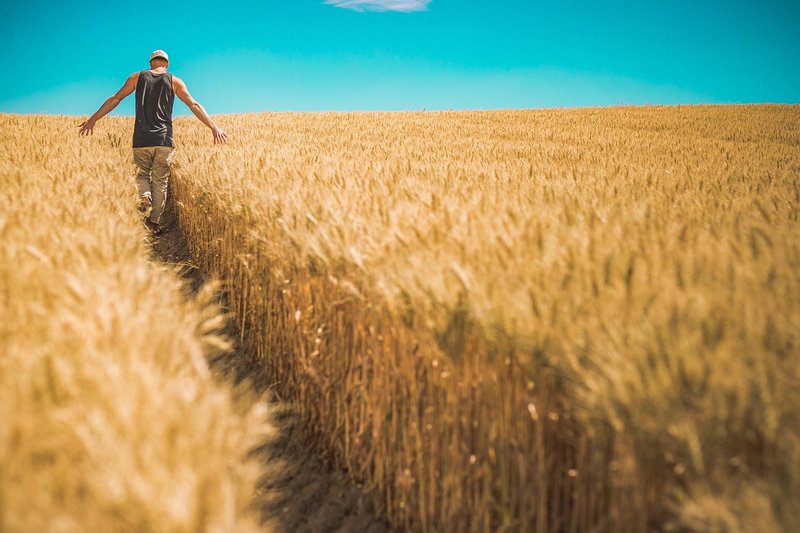
Representative image: KathyB-Photos / Pixabay
Karnataka sugarcane farmers held a statewide bandh on 31 October 2026 and called a Jail Bharo protest at Gurlapur on 2 November, pressing for Rs 5,500 a tonne for cane.
What Happened
Sugarcane farmers in Karnataka stepped up their agitation for a higher cane price, holding a statewide bandh on Saturday, 31 October 2026, during which they blocked a highway toll gate in Vijayapura district, and calling a "Jail Bharo" (court arrest) protest from Gurlapur in Belagavi district's Mudalgi taluk on Monday, 2 November. The farmers want sugar mills to pay Rs 5,500 a tonne for cane, well above the Centre's Fair and Remunerative Price (FRP) of Rs 3,650 a tonne. Earlier, protests had stalled cane crushing in north Karnataka and Chief Minister D.K. Shivakumar had written to Prime Minister Narendra Modi seeking help.
Key Facts
- The 31 October bandh was called by the Karnataka Rajya Raitha Sangha and Hasiru Sene, farmers' organisations, over the cane price dispute.
- Farmers protested at the Vijayapura toll gate; authorities in Dharwad imposed restrictions on four national highways to prevent blockades, according to reports.
- The Jail Bharo was planned to move from Gurlapur towards Hindalga prison in Belagavi, with farmers saying they were ready to be arrested in large numbers.
- Main demand: Rs 5,500 a tonne; one group has cited a cultivation cost of about Rs 4,440 a tonne and sought at least Rs 4,500.
- The FRP, the minimum price mills must pay, is set by the Centre at Rs 3,650 a tonne for the season.
- Protesters also want the minimum selling price of sugar raised from Rs 31 a kg to Rs 60 a kg.
- State minister Satish Jarkiholi said mills are willing to pay more for cane if the Centre raises the minimum selling price of sugar.
Why It Matters
North Karnataka, including Belagavi and Vijayapura districts, is a major cane-growing region, and the crushing season has just begun. When farmers stop harvesting and mills cannot get cane, the whole local economy feels it: mill workers, cane cutters, truck operators and the shops that serve them.
The core dispute is between costs and prices that are set at different levels of government. The FRP is fixed by the Centre each year. States can add their own advised price, and mills can pay more, but mill owners say they cannot afford it because the minimum price at which they can sell sugar has not kept pace. Farmers say input costs such as fertiliser, labour and diesel have risen far faster than the FRP. This is why both protesters and the state minister point to the sugar selling price: if mills earn more per kilo of sugar, they can pass more to growers.
Chief Minister Shivakumar has appealed to farmers to resume harvesting, warning that a long stoppage could disrupt mill operations, and has said final control of the price lies with the Centre. BJP MP Basavaraj Bommai has said he will press the Centre for interim relief. The positions show the issue has become a test between the state and Union governments as much as between farmers and mills.
| Item | Figure |
|---|---|
| Farmers' main demand | Rs 5,500 a tonne |
| Centre's FRP | Rs 3,650 a tonne |
| Cultivation cost cited by one group | About Rs 4,440 a tonne |
| Sugar selling price sought by protesters | Rs 60 a kg, from Rs 31 |
Impact
Short-term: Harvesting and crushing in north Karnataka may stay slow while the protests continue, delaying payments to farmers and work for cutters and mill staff. Highway blockades affect travel and goods traffic in the affected districts.
Long-term: Any change to the FRP or to the minimum selling price of sugar would affect cane growers and mills across India, not only Karnataka. A Karnataka-only settlement through a state top-up would put pressure on the state's finances.
Who is affected: Cane farmers and farm workers in north Karnataka; sugar mills and their employees; transporters; and, if prices change nationally, sugar consumers and industries that use sugar.
Key Takeaway
Karnataka's cane price dispute has moved from stalled crushing to a statewide bandh and a court-arrest campaign, and its solution depends largely on the Centre's pricing of both cane and sugar.
Questions and Answers
Why are Karnataka sugarcane farmers protesting?
They want sugar mills to pay Rs 5,500 a tonne for cane, saying the Centre's Fair and Remunerative Price of Rs 3,650 a tonne does not cover their rising costs. They also want the minimum selling price of sugar raised.
What is the Jail Bharo protest?
It is a form of protest in which people court arrest in large numbers. Karnataka cane farmers called one for 2 November 2026, starting from Gurlapur in Mudalgi taluk of Belagavi district, after a statewide bandh on 31 October.
Who decides the sugarcane price?
The Centre fixes the FRP, the minimum price mills must pay. States can announce a higher advised price, and mills can pay above the FRP, but mills say this depends on what they earn from selling sugar.
What has the Karnataka government said?
Chief Minister D.K. Shivakumar has urged farmers to resume harvesting and has written to the Prime Minister seeking intervention, saying price control rests with the Centre.
Disclaimer: Prepared by the Peepals newsroom from publicly available sources with AI assistance. Information is accurate to the best of our knowledge at the time of publication and may change. Images may be representative. Not professional advice. Report an error via our contact page.
By Rohit Sharma, Markets AnalystCovers Markets Watch and more for Peepals Business. All stories by Rohit Sharma
NTPC shares gain 3% as higher power output lifts Q2 earnings
Faith-tech app Vama raises Rs 19 crore led by Dainik Bhaskar family office
Get the day's stories in your inbox
Peepals Weekly: the week decoded, free. One email a week, unsubscribe in one click.
Rohit Sharma is a pen name of the Peepals Global Editorial Team, which researches, fact-checks and publishes every story. The portrait is an illustration.