
Durga Puja business in Bengal: big pujas, malls gain as small traders lag
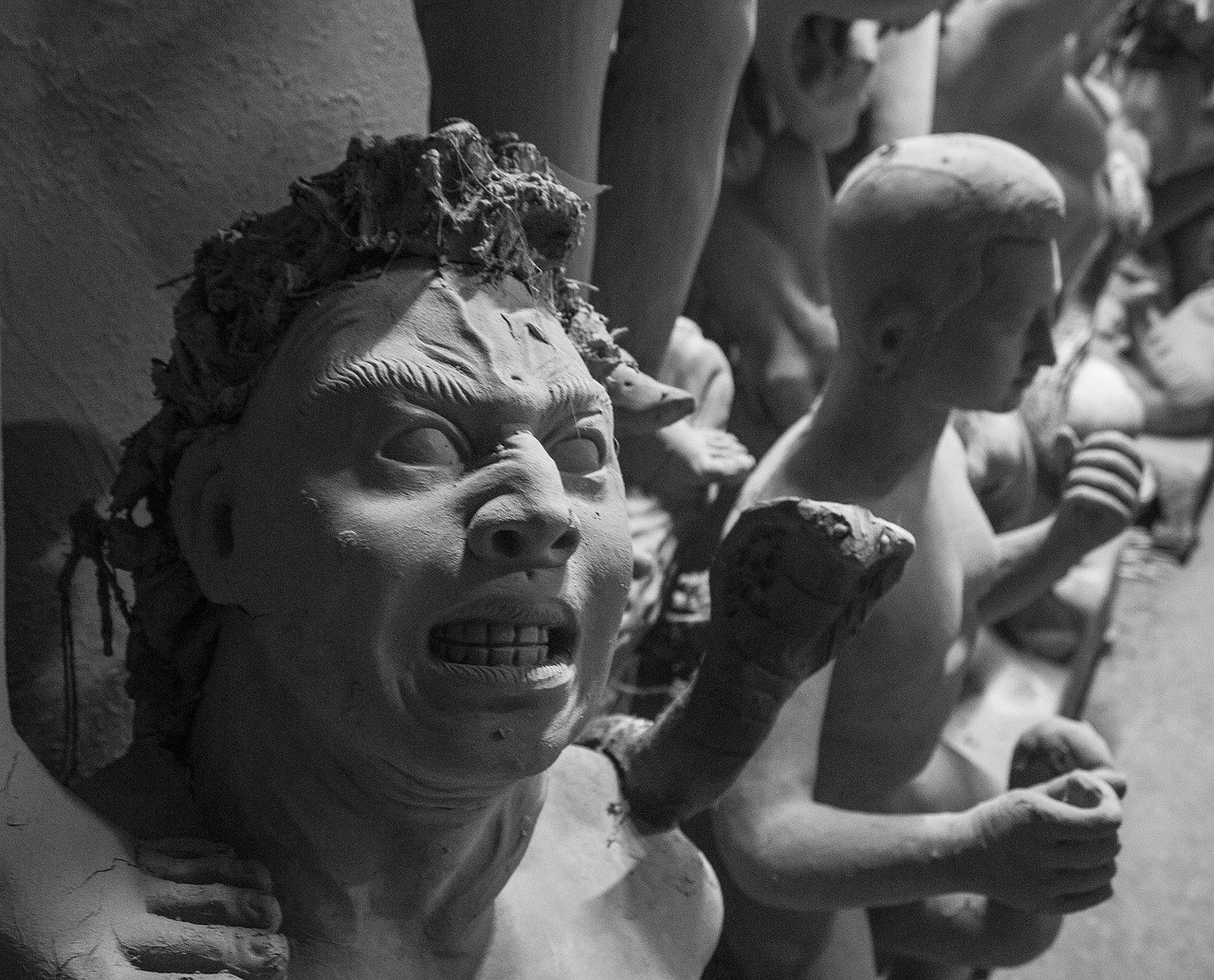
Representative image: pradippal / Pixabay
Bengal's 2026 Durga Puja lifted big puja committees, malls and online sellers, while small committees and hawkers lagged, trade bodies said on October 17.
What Happened
West Bengal's Durga Puja season in October 2026 brought strong business for large puja committees, malls and online sellers but left smaller committees, traditional market traders and street hawkers struggling, according to trade bodies and businesses quoted in reports published on October 17, 2026. Advertising rates at the biggest pujas rose by at least 20%, while about 30% of outdoor advertising space at small pujas stayed empty, and the state's main traders' confederation warned that deep online discounts were hurting shops.
Key Facts
- Festival dates: Durga Puja ran from October 17 to October 21, 2026, with Vijaya Dashami on October 21, according to the state's puja permission portal.
- Big pujas: advertising rates rose by at least 20%, helped by LED display boards, according to reports.
- Small pujas: about 30% of external advertising spaces remained vacant.
- Malls: one mall operator reported about 17% growth in footfall over the 45 days before the Puja.
- Online sales: e-commerce companies reportedly recorded about Rs 24,000 crore in sales in the first two days of the festive season.
- Traders' concern: the Confederation of West Bengal Trade Associations (CWBTA) said the price gap between online and offline sellers was hurting traditional retailers.
- Hawkers: the Hawkers Joint Action Committee said online shopping, department stores and malls had hurt street vendors in traditional markets such as Burrabazar and Hatibagan.
Why It Matters
Durga Puja is the biggest single burst of spending in West Bengal's year. It sustains a long chain of small businesses: idol makers, pandal builders, electricians, decorators, tailors, garment sellers, sweet shops, caterers, transport operators and thousands of street vendors who set up stalls for a few weeks. For many of them, the Puja season decides whether the whole year is profitable. When that money flows mainly to the largest organisers and to organised retail, the people at the bottom of the chain feel it first.
The split described this year has two causes. The first is in advertising and sponsorship, which pay for much of a puja's cost. Brands want the crowds that the famous Kolkata pandals draw, and LED screens have let those pujas charge more. Smaller neighbourhood pujas, which draw local visitors, found it harder to sell their banner and hoarding space. The second is in shopping. Malls, department stores and e-commerce platforms offered large discounts and convenience, and shoppers who once crowded markets such as Burrabazar and Hatibagan now spread their spending.
CWBTA president Sushil Poddar was reported as saying that the issue was not the growth of e-commerce in itself but the large difference in prices between online and offline sellers. Asit Kumar Saha of the Hawkers Joint Action Committee said customers were also bargaining harder, which thinned margins or even forced some sales at a loss. These are the views of the trade bodies; online platforms argue that discounts and wider choice benefit shoppers.
| Who gained | Who lagged |
|---|---|
| Large, well-known puja committees | Small neighbourhood committees |
| Malls and organised retail | Traditional markets such as Burrabazar and Hatibagan |
| E-commerce platforms | Street hawkers and small shopkeepers |
| Brands advertising at big pandals | Sellers of outdoor ad space at small pujas |
Large headline numbers for the Puja economy, often given in tens of thousands of crore rupees, are broad estimates of all the activity around the festival. They do not show how much any single artisan or trader earns, which is why the experience of small businesses can differ sharply from the totals.
Impact
Short-term: Small traders and hawkers who stocked up for the Puja may carry unsold goods into Diwali and the wedding season, and some small committees may struggle to cover their costs.
Long-term: If the gap persists, the Puja economy could tilt further towards large organisers and organised retail, and traders' bodies are likely to keep pressing for rules on online discounting. Small businesses may need to sell online themselves, through marketplaces or social media, to keep their share.
Who is affected: Street hawkers, small shopkeepers and artisans in West Bengal, neighbourhood puja committees, mall operators and e-commerce companies, brands that sponsor pujas, and shoppers.
Key Takeaway
West Bengal's Durga Puja business in October 2026 rewarded big puja committees, malls and online sellers, with ad rates at major pujas up at least 20%, while small committees, traditional markets and hawkers reported weaker sales.
Questions and Answers
How was Durga Puja business in Bengal in 2026?
Uneven. Large puja committees, malls and e-commerce platforms did well, with advertising rates at big pujas up by at least 20%, while small committees, traditional markets and street hawkers reported weaker business.
Why are small traders unhappy?
The Confederation of West Bengal Trade Associations said the large price gap between online and offline sellers was hurting traditional retailers, and hawkers' representatives said malls and online shopping had drawn customers away from markets such as Burrabazar and Hatibagan.
How much did online sellers make during the festive season?
E-commerce companies reportedly recorded about Rs 24,000 crore in sales in the first two days of the festive season. This figure covers online sales generally, not only West Bengal.
When was Durga Puja in 2026?
From October 17 to October 21, 2026, with Vijaya Dashami on October 21, according to West Bengal's official puja permission portal.
Disclaimer: Prepared by the Peepals newsroom from publicly available sources with AI assistance. Information is accurate to the best of our knowledge at the time of publication and may change. Images may be representative. Not professional advice. Report an error via our contact page.
Sourced and fact-checked by the Peepals Global Editorial Team
Reported, fact-checked and published by the Peepals Global Editorial Team.