
Toothpaste recall: 4.3 million US tubes made by Indian firm pulled
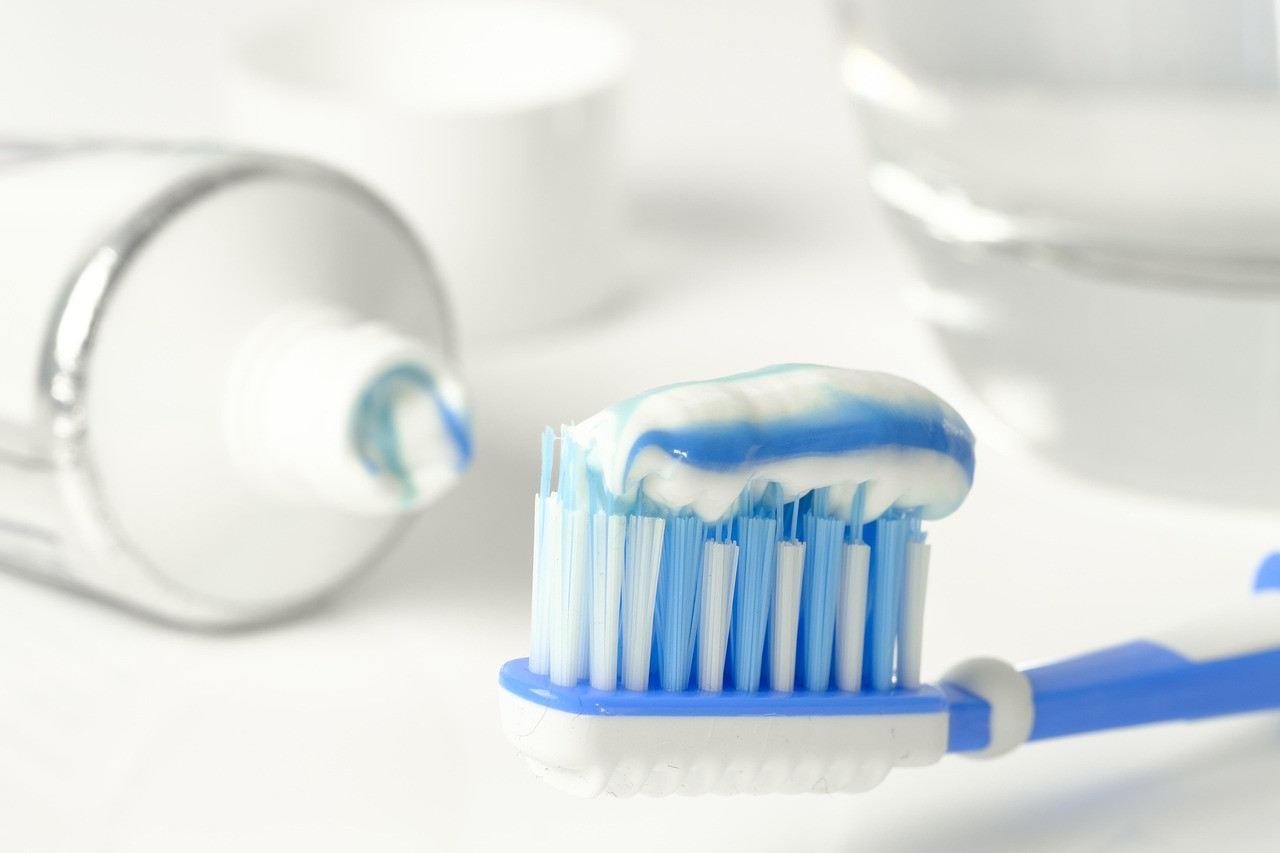
Representative image: Bru-nO / Pixabay
An FDA Class II recall of 4.3 million US toothpaste tubes, classified on October 19, 2026, traces to India's Pritam International and cites manufacturing lapses.
What Happened
A toothpaste recall covering about 4.3 million tubes sold across the United States, many of them children's products, traces back to an Indian manufacturer, Pritam International Private Limited. According to the US Food and Drug Administration's enforcement records, the company began a voluntary recall of 17 fluoride toothpaste products on September 10, 2026, and the FDA classified it as a Class II recall on October 19, 2026. The stated reason is deviations from Current Good Manufacturing Practices (cGMP), the quality rules a factory must follow; no illnesses or injuries have been reported.
Key Facts
- Size: 17 products, totalling 4,301,700 tubes, distributed across the United States, according to the FDA's records.
- Manufacturer: Pritam International Private Limited, an India-based company, which started the voluntary recall on September 10, 2026.
- Classification: the FDA classed the recall as Class II on October 19, 2026, its category for products that may cause temporary or medically reversible health effects.
- Reason: cGMP deviations; the FDA's report did not describe the specific manufacturing problem.
- Brands: products sold under names including Brush Buddies, Crayola, Hot Wheels, My Little Pony, evo, ARU and BB, several of them aimed at children; the US distributor named in reports is California-based Ashtel Studios.
- Safety: the FDA notice reported no illnesses or injuries linked to the products.
- Expiry dates: the recalled lots carry expiry dates from November 2026 to June 2028, according to reports of the notice.
Why It Matters
Fluoride toothpaste sold in the United States falls under the FDA's oversight, and the factory that makes it is expected to follow the agency's manufacturing quality rules. Current Good Manufacturing Practices cover how raw materials are tested, how equipment is cleaned, how each batch is recorded and how the finished product is checked before it leaves the factory. A cGMP deviation does not by itself mean a product is harmful; it means the maker could not show that every step met the required standard, which is why the FDA puts such recalls in Class II rather than Class I, the category for the most serious risks.
For India's manufacturing economy, the case is a reminder of what it takes to sell into regulated markets. Many Indian factories, from large drug makers to smaller contract manufacturers, produce goods that are sold abroad under other companies' brand names. Export orders of this kind can be large: one recall here covers more than four million tubes. But they come with strict paperwork and inspection rules, and a single compliance failure can mean pulling an entire range of products off shelves in another country, with the costs that follow for the manufacturer and its buyers.
The recall also shows how licensed brands work. Several of the products carried well-known children's names, used under licence by the distributor, while the manufacturing was done in India. For buyers, the label on the tube rarely says which factory made the product; the FDA's records are where that link becomes public.
| Point | Details |
|---|---|
| Products | 17 fluoride toothpastes, many for children |
| Tubes | 4,301,700 |
| Recall started | September 10, 2026, by Pritam International |
| FDA classification | Class II, October 19, 2026 |
| Reason | cGMP deviations; no specific defect named |
| Illnesses reported | None |
Impact
Short-term: US retailers and the distributor are expected to remove the listed lots from sale, and consumers in the US are advised to check lot numbers and expiry dates against the FDA notice. The products named are sold in the United States; the recall does not concern toothpaste sold in India.
Long-term: For Indian manufacturers that make goods for foreign brands, the recall underlines the value of strong quality systems and documentation, since buyers and regulators in markets such as the US can act on a whole product range at once.
Who is affected: Pritam International and its US distributor, retailers selling the products, US families who bought them, and other Indian contract manufacturers that export regulated consumer goods.
Key Takeaway
An FDA Class II recall of 4.3 million US toothpaste tubes, many for children, classified on October 19, 2026, traces to India's Pritam International and cites manufacturing-practice deviations, with no illnesses reported.
Questions and Answers
Why was toothpaste recalled in the United States in October 2026?
The FDA's records cite deviations from Current Good Manufacturing Practices at the manufacturer, Pritam International Private Limited of India. The agency did not describe the specific problem, and no illnesses or injuries were reported.
Which toothpaste brands are in the recall?
Seventeen products sold under names including Brush Buddies, Crayola, Hot Wheels, My Little Pony, evo, ARU and BB, totalling about 4.3 million tubes. Buyers should match lot numbers and expiry dates against the FDA notice.
What does a Class II recall mean?
It is the FDA's middle category, used when a product may cause temporary or medically reversible health effects. It sits below Class I, which is reserved for the most serious risks.
Does the recall affect toothpaste sold in India?
The recalled products were distributed in the United States. The FDA's notice concerns those US products, not brands sold in Indian shops.
Disclaimer: Prepared by the Peepals newsroom from publicly available sources with AI assistance. Information is accurate to the best of our knowledge at the time of publication and may change. Images may be representative. Not professional advice. Report an error via our contact page.
Sourced and fact-checked by the Peepals Global Editorial Team
Reported, fact-checked and published by the Peepals Global Editorial Team.