
Economist Says Rural Incomes May Dip This Year; Backs Higher PM-KISAN Support
 By Vivaan AroraUniversal Editor, Peepals Global
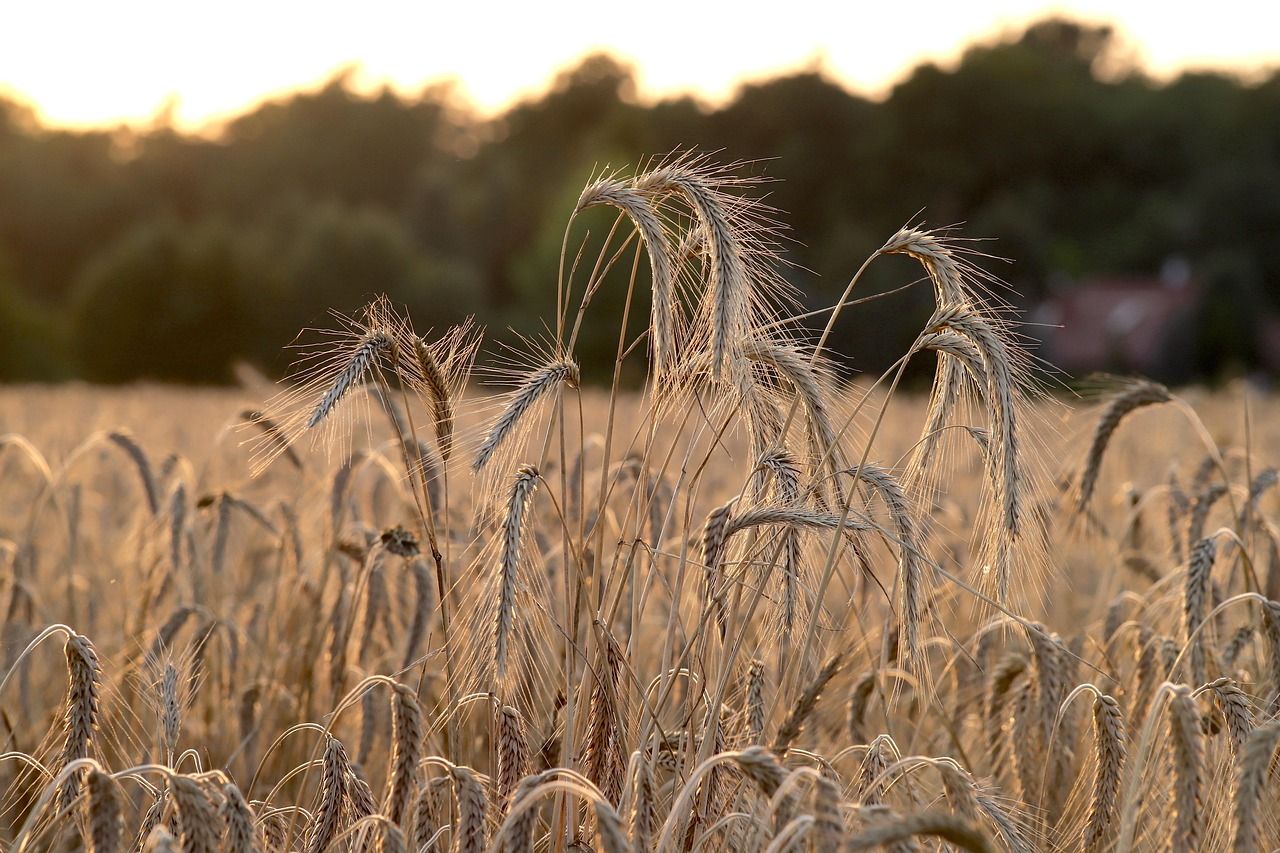
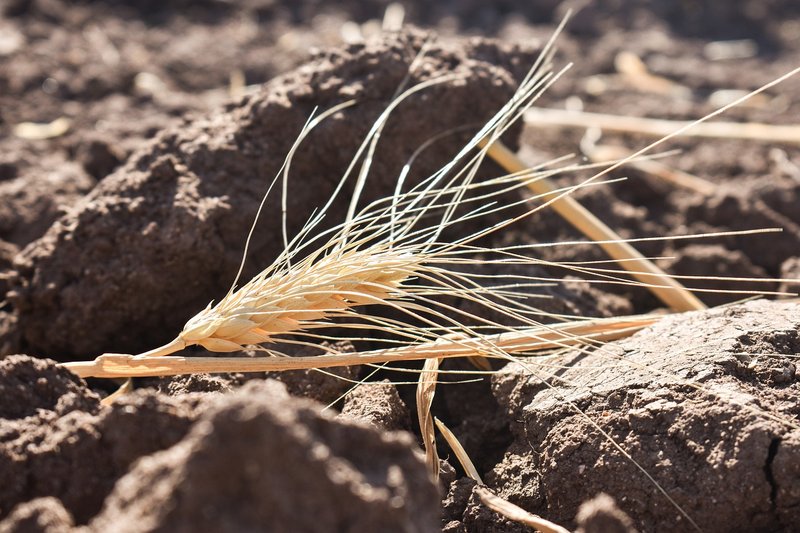
Representative image: 3centista / Pixabay
An IEG economist expects a modest hit to rural incomes from uneven Kharif rainfall, while rice and wheat buffer stocks should limit effects on food prices and consumption.
Rural Incomes: what happened
C.S.C. Sekhar, Professor of Economics at the Institute of Economic Growth (IEG), Delhi University, said on Saturday, 3 October 2026, that rural incomes could come under pressure this year. He linked this to uneven rainfall and supply-side disruptions in the Kharif season. He spoke on the sidelines of the 5th Kautilya Economic Conclave in New Delhi. Sekhar said the government could consider raising support under the PM-KISAN scheme. He also said buffer stocks of rice and wheat should keep food prices and consumption stable.
Rural Incomes: key facts
- C.S.C. Sekhar said rural incomes "probably will take a little hit this year" and that higher PM-KISAN support "should help a lot".
- Sekhar said the aggregate rainfall shortfall was around 10-12 per cent, but the national number hid wide gaps. Some districts saw excess rain, while many states and districts saw a very substantial shortfall.
- Kharif sowing started slowly in 2026, with 7.25 million hectares planted by 5 June. The India Meteorological Department (IMD) projected seasonal rainfall at 90% of the Long Period Average, with El Niño conditions emerging.
- As of 13 July 2026, IMD data showed 397 of India's 741 districts with below-normal rainfall. Sowing on 10 July stood at 531.25 lakh hectares, about 16% below the previous year.
- Sowing then recovered. The agriculture ministry's data showed 110.39 million hectares covered by 18 September 2026, just 1.3 per cent below the year-earlier area, while rice acreage fell 3.7 per cent to 42.9 million hectares.
- Sekhar said agricultural growth could be around one percentage point lower than last year. He said a stronger Rabi season could offset part of the Kharif weakness, since most Rabi crops are irrigated.
- PM-KISAN pays eligible landholding farmer families ₹6,000 a year in three instalments of ₹2,000 through direct benefit transfer. The 23rd instalment was released on 20 June 2026, reaching over 9.44 crore farmers.
- Sekhar said India holds sufficient buffer stocks of rice and wheat. A likely production shortfall should therefore not cause a major rise in food prices or a notable fall in consumption.
Rural Incomes: why it matters
Rural households are a large part of consumer demand. Weaker farm incomes can slow spending on two-wheelers, fast-moving consumer goods and farm inputs, so the monsoon's effect reaches beyond agriculture into the wider economy. Sekhar said there will be "some shock" on the supply side, and that fertiliser supply disruptions add to the rainfall problem.
The 2026 monsoon has been weak. June brought a rainfall deficit of nearly 38 per cent, and sowing was well behind in early July. Active low-pressure systems in July narrowed the sowing gap sharply. A nationwide deficit of around 14 per cent as of 7 September was described as the sharpest in recent years, with withdrawal starting around 19 September.
Sowing figures now look better than the mid-season numbers, but the concern has shifted to yields. Crisil Intelligence has said the focus of monsoon risk has moved from acreage to yields, with crop incomes likely to moderate. It cautioned that a prolonged rainfall shock could weaken rural income buffers and demand.
PM-KISAN has a long track record. The scheme began in February 2019, and the Union Cabinet has approved its continuation from 2026-27 to 2030-31 with an outlay of ₹3.15 lakh crore. The payment of ₹6,000 a year has stayed the same. Sekhar described it as a key safety net alongside the rural employment guarantee programme, with results depending on implementation.
Sekhar also noted that India often sees a strong Rabi season make up for a poor Kharif. He said food stocks and supplies are satisfactory despite disruptions to global trade routes from geopolitical conflicts. This is one economist's assessment, not an official projection.
| Period | Kharif sowing against last year |
|---|---|
| Early July 2026 | About 20.8% lower |
| End of July 2026 | About 2.9% lower |
| 21 August 2026 | 105.7 vs 107.3 million hectares |
| 18 September 2026 | 1.3% lower |
Rural Incomes: impact
Short-term: Rural incomes may see a modest dip, as Sekhar expects, because yields in rain-deficit areas are likely to fall even though acreage has nearly caught up. Rice area is still 3.7 per cent lower. The next PM-KISAN instalment, the 24th of ₹2,000, is expected around October 2026 under the usual four-month cycle, but the government has not announced a date.
Long-term: The discussion points to a possible policy debate on strengthening income support for farmers. No government decision to raise PM-KISAN support has been reported. Any change would be a fiscal choice for the Union government, which would weigh the cost against other commitments, including the ₹3.15 lakh crore approved for 2026-27 to 2030-31. A strong Rabi harvest, which Sekhar says often compensates for a weak Kharif, could ease pressure on farm incomes and growth in the coming months.
Who is affected: Farmers and rural households in rain-deficit and rain-fed regions are most exposed, including paddy areas along the Ganga in Uttar Pradesh, Bihar and Jharkhand. Consumer-facing sectors such as two-wheelers, FMCG and farm inputs depend on rural demand. More than 9 crore farmer families receive PM-KISAN transfers. The Union government decides on any change to the scheme, and agricultural growth could be about one percentage point lower, according to Sekhar.
Rural Incomes: key takeaway
An IEG economist expects a modest hit to rural incomes from uneven Kharif rainfall, sees rice and wheat stocks holding prices steady, and suggests higher PM-KISAN support, which is not a government decision.
Rural Incomes: questions and answers
Who said rural incomes may fall this year?
C.S.C. Sekhar, Professor of Economics at the Institute of Economic Growth (IEG), Delhi University, said rural incomes "probably will take a little hit this year". He spoke on 3 October 2026 at the 5th Kautilya Economic Conclave in New Delhi.
Why could rural incomes come under pressure in 2026?
Sekhar attributes the pressure to uneven rainfall and supply-side disruptions. He put the aggregate rainfall shortfall at 10-12 per cent, with wide gaps across states. Rice acreage was 3.7 per cent lower as of 18 September 2026.
What did the economist suggest about PM-KISAN?
Sekhar said the government could consider raising PM-KISAN support, which he said "should help a lot". PM-KISAN pays ₹6,000 a year. No government decision to raise it has been reported.
Will food prices rise because of the likely Kharif shortfall?
Sekhar said India has sufficient rice and wheat buffer stocks, so the shortfall should not cause a major rise in food prices or a notable fall in consumption. This is one economist's assessment, not an official projection.
Disclaimer: Prepared by the Peepals newsroom from publicly available sources with AI assistance. Information is accurate to the best of our knowledge at the time of publication and may change. Images may be representative. Not professional advice. Report an error via our contact page.
By Vivaan Arora, Universal EditorCovers stories across all seven Peepals publications. All stories by Vivaan Arora
Your week ahead, every Sunday. Free.
Exam and result dates, IPOs opening, scheme deadlines, government holidays and the RBI decision for the next 7 days, plus the week's top stories. One email a week, unsubscribe in one click.
Vivaan Arora is a pen name of the Peepals Global Editorial Team, which researches, fact-checks and publishes every story. The portrait is an illustration.
Responsible for this story: the Peepals Global Editorial Team. How we report