
H5N1 chicken vaccine: India's first home-grown bird flu shot launched in Bhopal
 By Rohit SharmaStaff Writer, Peepals Business
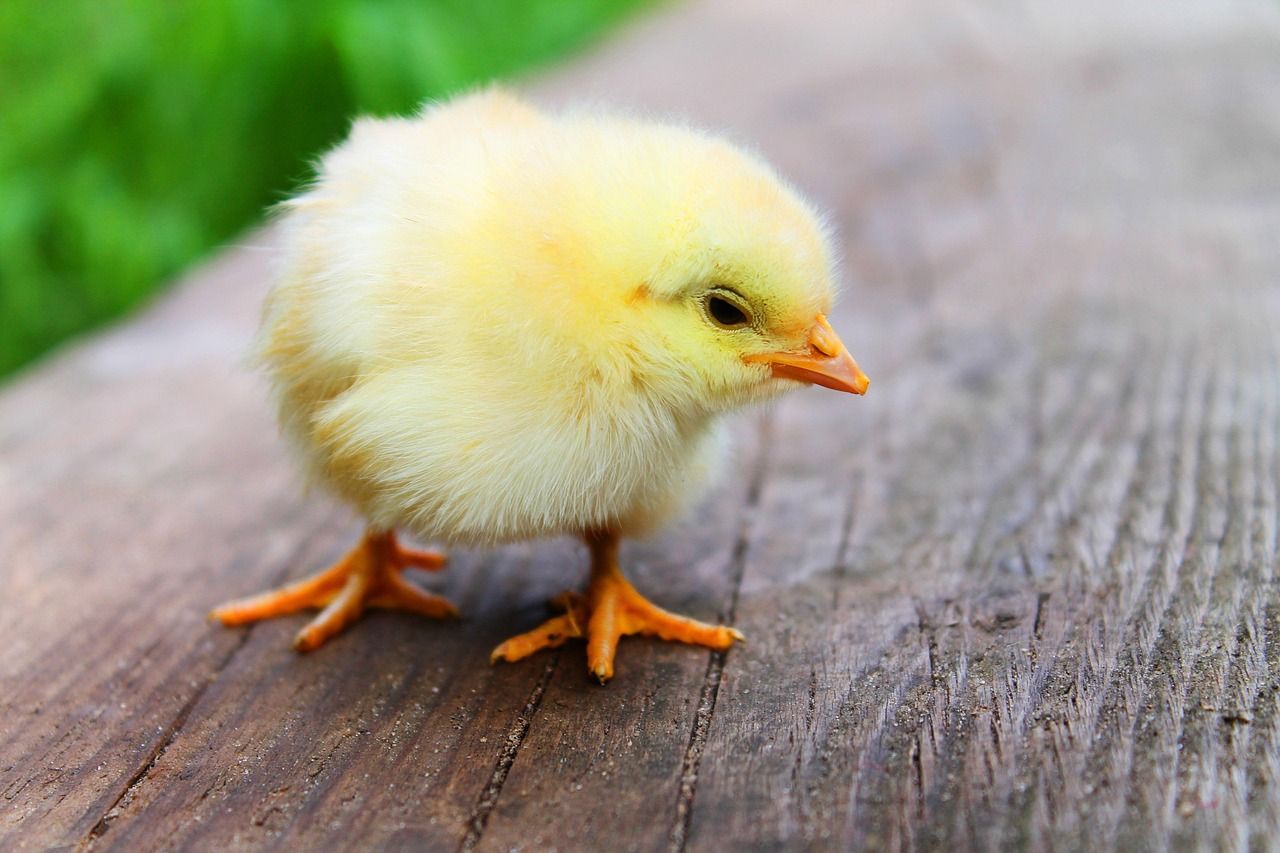
Representative image: onefox / Pixabay
Agriculture Minister Shivraj Singh Chouhan unveiled ICAR-NIHSAD's inactivated H5N1 clade 2.3.2.1a chicken vaccine in Bhopal on 20 November 2026, India's first.
H5N1 chicken vaccine: what happened
India's first home-grown vaccine to protect chickens from H5N1 bird flu was unveiled by Union Agriculture Minister Shivraj Singh Chouhan on Friday, 20 November 2026, at the ICAR-National Institute of High Security Animal Diseases (ICAR-NIHSAD) in Bhopal. The inactivated vaccine targets the clade 2.3.2.1a strain of highly pathogenic avian influenza, a strain for which no specific commercial vaccine was available, the minister said. He also announced a Rs 300 crore high-security laboratory for the institute.
H5N1 chicken vaccine: key facts
- Vaccine: inactivated (killed-virus) H5N1 vaccine for chickens against clade 2.3.2.1a, developed by ICAR-NIHSAD, Bhopal.
- Launch: 20 November 2026, at ICAR-NIHSAD in Anand Nagar, Bhopal, by Agriculture Minister Shivraj Singh Chouhan.
- Why: more than 500 outbreaks of H5N1 and H5N8 bird flu have been recorded in India since 2006, Chouhan said.
- Developer: ICAR-NIHSAD, Bhopal, under the Indian Council of Agricultural Research.
- Intended use: scientists said it will be useful for egg-laying hens and breeding birds.
- Cost: the cost has been put at Rs 1 to Rs 2 per dose; manufacturers and a retail launch date have not been named.
- New lab: a high-security laboratory at ICAR-NIHSAD, at an estimated Rs 300 crore.
H5N1 chicken vaccine: why it matters
Bird flu outbreaks hit poultry farmers hard, because an outbreak can mean the loss of whole flocks and the farm's income. The outbreak count the minister cited, more than 500 since 2006, shows how often Indian farms have faced that risk.
A vaccine adds a new line of defence. The scientists pointed to egg-laying hens and breeding birds as the main users, the birds that are kept longest on a farm and supply eggs and chicks. At Rs 1 to Rs 2 a dose, the reported cost is low enough to matter for small farms as well as large ones.
The word "indigenous" is important too. Vaccines are most effective when they match the strain in circulation. Clade 2.3.2.1a is the strain the institute targeted, and making the vaccine in India means it can be updated as the virus changes, without depending on imports. The new Rs 300 crore laboratory would add to ICAR-NIHSAD's high-security capacity at home.
There are open questions. No efficacy trial data, production capacity or manufacturer have been made public yet, and an observer of the sector has noted that the announcement named no company, brand or retail date. Whether vaccination will be allowed widely or only in high-risk areas has also not been set out.
Peepals calculation: more than 500 outbreaks over the roughly 20 years from 2006 to 2026 is an average of about 25 a year (500 / 20), or roughly one every two weeks. Our calculation from the reported figures.
| Item | Detail |
|---|---|
| Strain targeted | H5N1 clade 2.3.2.1a |
| Type | Inactivated vaccine for chickens |
| Launched | 20 November 2026, Bhopal |
| Cost per dose | Rs 1 to Rs 2 (as reported) |
| Outbreaks since 2006 | more than 500 (H5N1 and H5N8) |
| New laboratory | about Rs 300 crore |
H5N1 chicken vaccine: impact
Short-term: Poultry farmers will need to wait for commercial production and government guidance on where and how the vaccine can be used before it reaches farms.
Long-term: Wider use could reduce losses from outbreaks, protect egg and breeder flocks, and steady the incomes of poultry farmers in outbreak-prone states.
Who is affected: poultry farmers, egg producers and hatcheries, state animal husbandry departments, feed and poultry businesses, and consumers who face price swings after outbreaks.
What to watch next: the naming of manufacturers, production capacity and government rules on who may vaccinate.
H5N1 chicken vaccine: key takeaway
Poultry farmers should watch for state animal husbandry guidance on the new H5N1 vaccine's availability and use before planning to vaccinate their flocks.
H5N1 chicken vaccine: questions and answers
What is the new H5N1 vaccine for chickens?
It is an inactivated vaccine against the clade 2.3.2.1a strain of H5N1 bird flu, developed by ICAR-NIHSAD in Bhopal and launched on 20 November 2026. It is India's first indigenous vaccine of its kind.
Is it available to farmers now?
Not yet. Manufacturers, production capacity and a retail launch date have not been announced.
How much will it cost?
The cost has been put at Rs 1 to Rs 2 per dose. Final prices will depend on commercial production.
Is this a vaccine for people?
No. It is meant for chickens, particularly egg-laying hens and breeding birds, to protect poultry flocks from bird flu.
Disclaimer: Prepared by the Peepals newsroom from publicly available sources with AI assistance. Information is accurate to the best of our knowledge at the time of publication and may change. Images may be representative. Not professional advice. Report an error via our contact page.
By Rohit Sharma, Staff WriterCovers Markets Watch and more for Peepals Business. All stories by Rohit Sharma
CERT-In flags tampered payout records, AI attack tools in critical advisory
Japan core inflation October 2026 rises to 2.2% as energy subsidies end
Your week ahead, every Sunday. Free.
Exam and result dates, IPOs opening, scheme deadlines, government holidays and the RBI decision for the next 7 days, plus the week's top stories. One email a week, unsubscribe in one click.
Rohit Sharma is a pen name of the Peepals Global Editorial Team, which researches, fact-checks and publishes every story. The portrait is an illustration.
Responsible for this story: the Peepals Global Editorial Team, led by editor Prashant Sonar. How we report