

Fortinet, Palo Alto firewall breach: k0t campaign exposes 70,000 logins
 By Neha KapoorEconomy Correspondent, Peepals Business
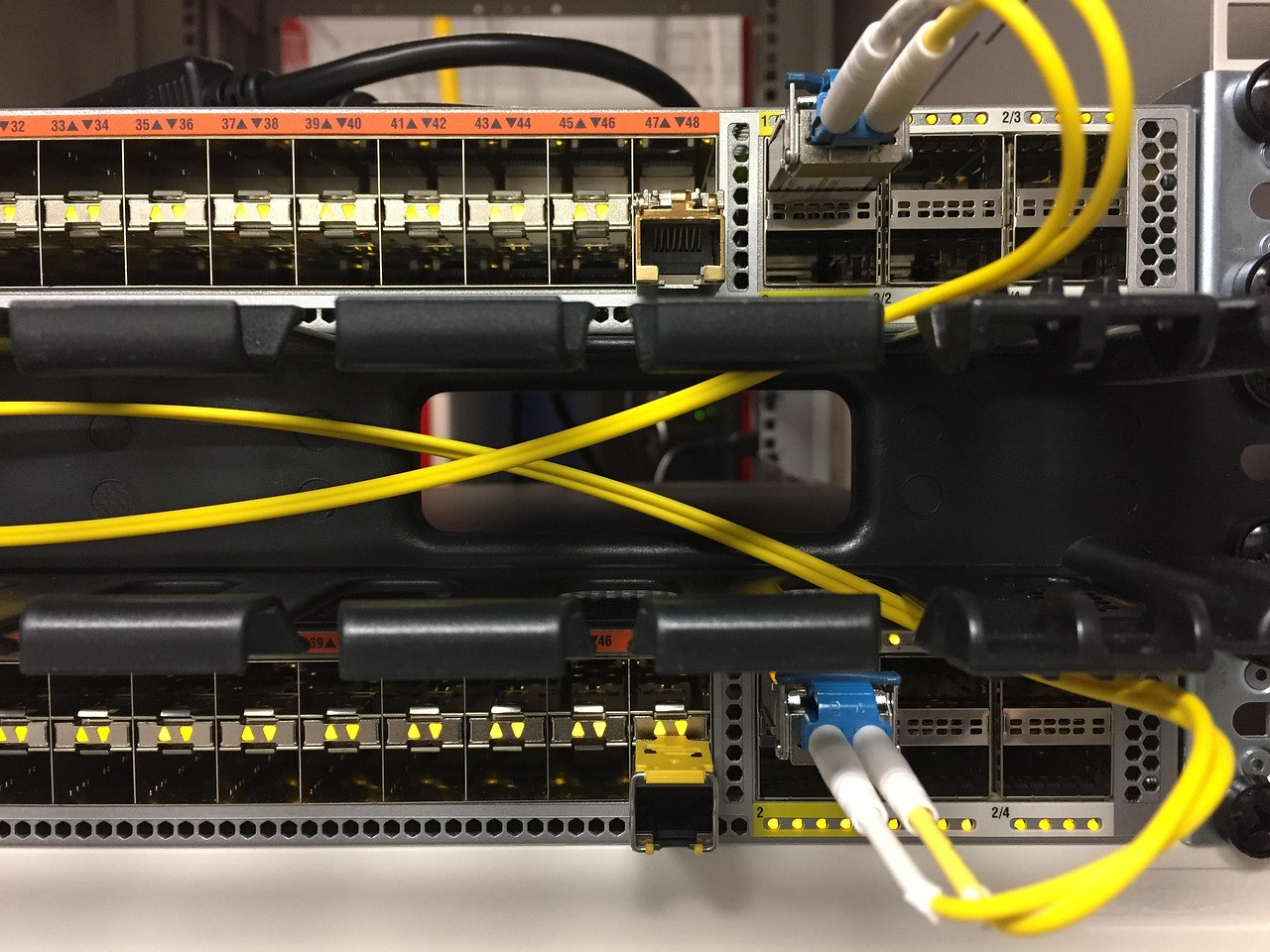
Representative image: lrobertson / Pixabay
Researchers at Group-IB and NyxLab said on October 21, 2026 that a hacker tied to the name k0t broke into exposed Fortinet and Palo Alto devices and exposed over 70,000 credentials.
What Happened
A hacking campaign that broke into internet-facing firewalls and VPN gateways made by Fortinet and Palo Alto Networks has exposed more than 70,000 login credentials and related records, according to a joint investigation by the cyber-security firm Group-IB and the research team NyxLab published on October 21, 2026. The researchers linked the activity to an operator using the name k0t and said the actor appears to sell the access it gains to other criminals. The Fortinet and Palo Alto firewall breach became one of the most searched security topics in the United States on October 23.
Key Facts
- Group-IB and NyxLab published their findings on October 21, 2026, and named the operator behind the campaign k0t.
- The targets were Fortinet's FortiGate firewalls and FortiWeb web application firewalls, and Palo Alto Networks' GlobalProtect VPN portals and gateways.
- The researchers said they found more than 70,000 exposed credentials and related records, including device logins and records from LDAP, the directory system companies use to manage staff accounts.
- According to the report, the attackers tried a known FortiWeb flaw tracked as CVE-2025-64446, a GlobalProtect flaw tracked as CVE-2026-0257, and common or reused passwords against FortiGate devices.
- The researchers identified 28 active device groups containing 84 compromised devices connected to a remote-management server used by the attackers.
- Group-IB said k0t may be an initial access broker, a criminal who breaks in and sells the entry point, and noted victim overlaps with the Qilin and The Gentlemen ransomware groups, while stressing that no direct link has been confirmed.
- The researchers cautioned that the 70,000 figure does not mean every credential was valid or that every listed organisation was successfully breached.
Why It Matters
Firewalls and VPN gateways are the front door of a company network. They sit on the open internet so that staff can log in from outside, which also makes them easy for attackers to find. When such a device is taken over, the attacker can often reach the systems behind it and collect the passwords of the people who use it. For a business, that means a single unpatched box can turn into a company-wide incident.
The report describes a campaign run at scale rather than aimed at chosen victims. According to Group-IB and NyxLab, k0t appeared to pick targets by scanning for exposed network appliances in bulk, then trying known flaws and weak passwords on whatever answered. Once inside, the researchers said, the attackers used widely available tools, including NetExec, Impacket and Mimikatz, to map networks, collect more credentials and widen their access. That pattern is typical of access brokers, who then pass the foothold to ransomware gangs that encrypt data and demand payment.
The flaws involved are not new. The FortiWeb flaw carries a 2025 identifier and Fortinet has issued fixed releases, and Palo Alto Networks has published guidance for the GlobalProtect issue, which it says affects certain portal and gateway setups where authentication override cookies are enabled with a specific certificate configuration. Many of the compromises, by one account of the report, took place between February and June 2026. The lesson for business owners is that security spending does little when devices are left unpatched or protected by default passwords.
| Device | Route the attackers tried, according to the report |
|---|---|
| FortiWeb web application firewall | CVE-2025-64446 path traversal flaw |
| Palo Alto GlobalProtect portal or gateway | CVE-2026-0257 authentication bypass |
| FortiGate firewall | Common and reused passwords |
For Indian companies the risk is direct. FortiGate and GlobalProtect devices are widely used by Indian firms, banks, hospitals and government bodies to give staff remote access, and ransomware has hit Indian organisations repeatedly. The report did not publish a country-by-country list of victims, so it is not known how many Indian organisations are among them.
Impact
Short-term: Companies running the named devices are being urged by security researchers to apply the vendors' patches for CVE-2025-64446 and CVE-2026-0257, take management screens off the public internet, change every password stored on or linked to the appliances, and check logs for unknown administrator accounts, configuration exports, unusual VPN sessions and repeated failed logins. Fortinet and Palo Alto Networks publish the official remediation steps in their security advisories.
Long-term: The campaign adds to pressure on companies to treat edge devices as critical assets, with regular patching, multi-factor login and monitoring, rather than install-and-forget boxes. It also strengthens the case for "zero trust" designs, in which getting past the firewall does not automatically grant access to everything behind it.
Who is affected: IT and security teams at firms of every size that use FortiGate, FortiWeb or GlobalProtect, employees whose logins may be in the exposed data, managed service providers who look after such devices for clients, and cyber-insurers who price ransomware risk.
Key Takeaway
Group-IB and NyxLab say the k0t campaign used old flaws and weak passwords on Fortinet and Palo Alto edge devices to expose over 70,000 credentials, so patching and password changes are the first defence.
Questions and Answers
What is the Fortinet and Palo Alto firewall breach?
It is a hacking campaign disclosed by Group-IB and NyxLab on October 21, 2026, in which an operator called k0t broke into exposed FortiGate, FortiWeb and Palo Alto GlobalProtect devices and exposed more than 70,000 credentials and related records.
Does this mean 70,000 companies were hacked?
No. The researchers said the 70,000 figure counts exposed credentials and records, not confirmed break-ins, and that not every credential was necessarily valid. They identified 84 compromised devices linked to the attackers' remote-management server.
What should a company using these devices do now?
Apply the vendors' patches for CVE-2025-64446 and CVE-2026-0257, remove management interfaces from the internet, change passwords linked to the devices, turn on multi-factor login and review logs for new administrator accounts or unusual VPN sessions, following Fortinet's and Palo Alto Networks' advisories.
Is the campaign linked to ransomware?
Group-IB said k0t may sell access to other criminals and found victim overlaps with the Qilin and The Gentlemen ransomware groups, but said a direct link has not been confirmed.
Disclaimer: Prepared by the Peepals newsroom from publicly available sources with AI assistance. Information is accurate to the best of our knowledge at the time of publication and may change. Images may be representative. Not professional advice. Report an error via our contact page.
By Neha Kapoor, Economy CorrespondentCovers Economy and more for Peepals Business. All stories by Neha Kapoor
Smallcaps sink nearly 3% as Sensex slips for fourth day, Brent near $114
Gujarat farmers sell Rs 12,740 crore of produce on eNAM; 8.7 lakh registered
Neha Kapoor is a pen name of the Peepals Global Editorial Team, which researches, fact-checks and publishes every story. The portrait is an illustration.