
SAP quarterly revenue tops €10 billion as cloud backlog jumps 28%

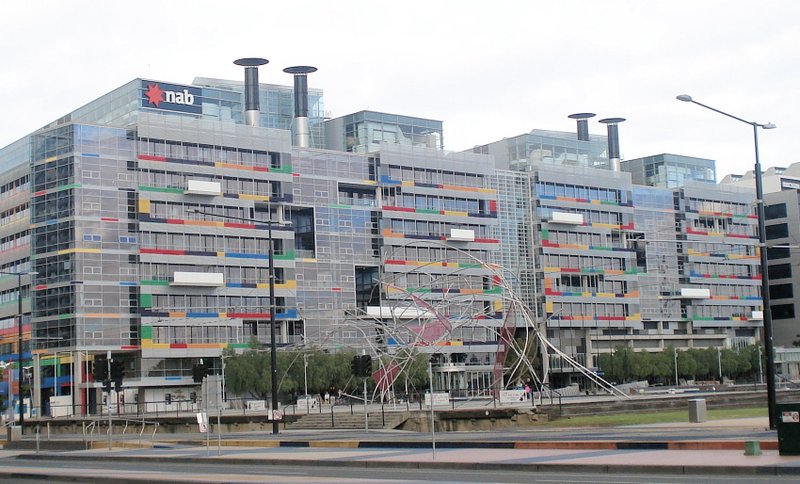
Representative image: flutie8211 / Pixabay
SAP's revenue passed €10 billion in a quarter for the first time, rising 12% to €10.3 billion in July-September 2026, as its cloud backlog grew 28% to €24.1 billion.
What Happened
SAP, the German maker of business software, said on Wednesday, October 21, 2026, that its revenue for the third quarter rose 12% to about €10.3 billion, the first time its sales have passed €10 billion in a single quarter. Cloud revenue rose 25% to €6.7 billion, and its current cloud backlog, the value of signed cloud contracts due to be billed over the next 12 months, grew 28% to €24.1 billion. The company said it now expects to finish 2026 toward the upper end of its cloud revenue forecast.
Key Facts
- Total revenue: about €10.3 billion for July to September 2026, up 12% from a year earlier.
- Cloud revenue: €6.7 billion, up 25%.
- Current cloud backlog: €24.1 billion, up 28% in euros and 26% at constant currencies, against €18.8 billion a year earlier.
- Operating profit: €3.03 billion on SAP's adjusted (non-IFRS) basis and €2.93 billion under International Financial Reporting Standards, both up 18%.
- Cloud gross margin: 74.3% on the adjusted basis, down 0.7 percentage point, which management linked to spending on AI and higher infrastructure costs.
- Outlook: adjusted operating profit for 2026 kept at €11.8 billion to €12.2 billion, and a free cash flow target of about €10 billion reiterated; cloud revenue now seen at the upper end of its range.
- Shares: SAP's US-listed shares rose about 2.3% in after-hours trading on October 21, according to market reports.
Why It Matters
SAP is a leading supplier of enterprise resource planning software, the systems large companies use to run their finance, purchasing, payroll, stock and production in one place. When a carmaker orders parts, a retailer tracks stock or a bank closes its books, there is a good chance SAP software is involved. Its results are therefore a useful reading of how much big organisations are spending to modernise the systems that run their operations.
The shift the numbers show is from software that companies install and run in their own data centres to software rented over the internet, known as cloud computing. Cloud revenue now makes up about two-thirds of SAP's sales. The backlog figure matters most to analysts because it is money already contracted: a 28% rise means customers have signed up for much more cloud service that will turn into revenue over the next year. SAP's finance chief still expects backlog growth to slow slightly during 2026, citing economic and political uncertainty and the larger base it is now growing from.
Artificial intelligence is the other thread. Chief executive Christian Klein said SAP's AI assistant, Joule, is gaining traction with customers, and described a newer product, Joule Work, as a workbench for the autonomous enterprise, a term SAP uses for business processes that AI agents carry out with limited human input. The company says Joule Work gives access to more than 70 AI models. The cost of that push is visible in the slightly lower cloud margin, the share of cloud revenue left after the cost of running the service.
For Indian businesses, SAP's results matter in two ways. Many large Indian companies run their operations on SAP, so its pricing and the pace at which it moves customers to the cloud affect their technology budgets. And moving clients' SAP systems to the cloud is a regular line of work for India's IT services firms, which also maintain them afterwards; a growing backlog points to more of that work ahead.
| | Measure | Q3 2026 | Change from a year earlier | |
|---|---|---|
| | Total revenue | about €10.3 billion | up 12% | |
| | Cloud revenue | €6.7 billion | up 25% | |
| | Current cloud backlog | €24.1 billion | up 28% | |
| | Adjusted operating profit | €3.03 billion | up 18% | |
Impact
Short-term: The results reassure customers and partners that demand for cloud business software remains strong. Investors will compare SAP's figures with those of other software makers reporting this month, and with the cautious comments some technology companies have made about whether AI spending is paying off.
Long-term: SAP is pushing customers to move to its cloud products, and its contracted backlog suggests that shift will keep running for several years. Rising AI costs could squeeze margins if the company cannot charge enough for AI features, which makes adoption of Joule a key measure to watch.
Who is affected: Companies that run on SAP software and are weighing a move to the cloud, IT services firms in India and elsewhere that carry out SAP projects, SAP's employees and shareholders, and rival software makers competing for the same budgets.
Key Takeaway
SAP's quarterly revenue topped €10 billion for the first time in July to September 2026, and a 28% jump in its cloud backlog shows companies are still signing up to move core business systems to the cloud.
Questions and Answers
What were SAP's third-quarter 2026 results?
SAP reported revenue of about €10.3 billion for July to September 2026, up 12%, with cloud revenue up 25% to €6.7 billion and adjusted operating profit up 18% to €3.03 billion.
What is SAP's current cloud backlog?
It is the value of signed cloud contracts that SAP expects to bill over the next 12 months. It stood at €24.1 billion at the end of September 2026, up 28% from €18.8 billion a year earlier.
Did SAP change its 2026 forecast?
SAP said it now expects cloud revenue and cloud and software revenue toward the upper end of its earlier ranges, and kept its adjusted operating profit forecast of €11.8 billion to €12.2 billion.
Why do SAP's results matter to Indian IT firms?
Indian IT services companies regularly carry out projects to move clients' SAP systems to the cloud and run them. Strong growth in SAP's contracted cloud backlog points to continued demand for that kind of project work.
Disclaimer: Prepared by the Peepals newsroom from publicly available sources with AI assistance. Information is accurate to the best of our knowledge at the time of publication and may change. Images may be representative. Not professional advice. Report an error via our contact page.
Sourced and fact-checked by the Peepals Global Editorial Team
Reported, fact-checked and published by the Peepals Global Editorial Team.