
PHP2Shell: Amazon says attacks began four days before PHP shipped fixes
 By Arjun MehtaSenior Business Editor, Peepals Business
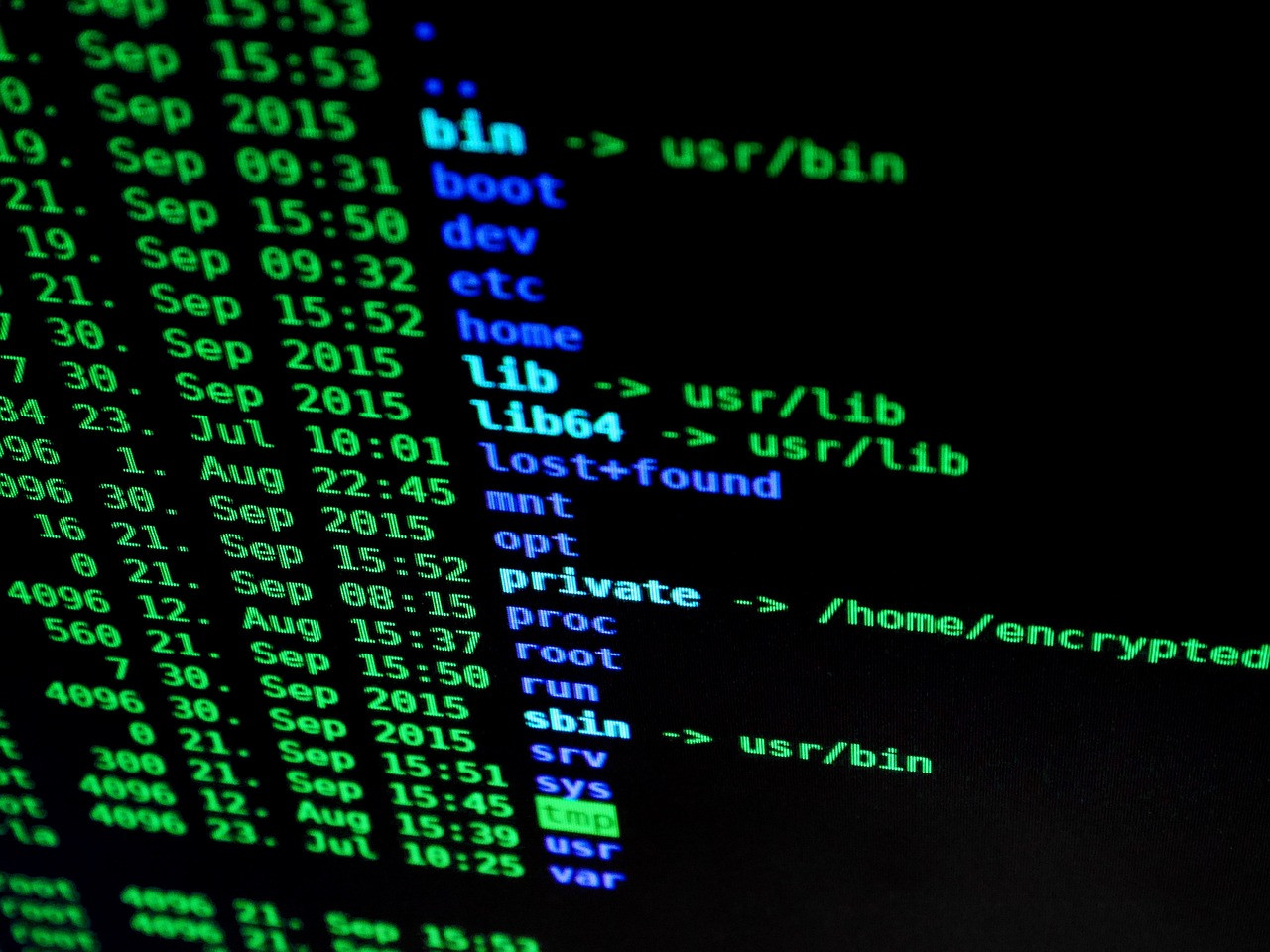
Representative image: joffi / Pixabay
PHP released fixes for the PHP2Shell flaws on 21 October 2026; Amazon says it saw an exploitation attempt on 17 October and now sees broad attempts from several attackers.
What Happened
Attackers were already trying to exploit the PHP2Shell flaws in the PHP programming language before fixes were released, Amazon's threat intelligence team said after the PHP project shipped patches on 21 October 2026. Amazon said its network of decoy servers, called MadPot, recorded an exploitation attempt dated 17 October 2026, four days before public disclosure, and that it is now seeing broad attempts from what appear to be several different attackers. Security firm watchTowr also reported first exploitation attempts reaching its sensors as the patches landed, though it said it had not seen a successful attack. The fixes are in PHP versions 8.5.12, 8.4.27, 8.3.36 and 8.2.35.
Key Facts
- The flaws: two critical vulnerabilities, CVE-2026-109618 and CVE-2026-109619, that can allow remote code execution, meaning an attacker could run their own commands on a web server.
- Severity: rated 9.2 out of 10 by PHP's developers under the CVSS 4.0 scoring system; watchTowr rated them 10.0.
- Fixed versions released on 21 October 2026: PHP 8.5.12, 8.4.27, 8.3.36 and 8.2.35. Back-ported fixes for PHP 7.4, 8.0 and 8.1 were also published, according to reports.
- Amazon says it saw an exploitation attempt on 17 October 2026, before disclosure, and that varied attack payloads suggest multiple threat actors are now involved.
- Details of the flaws leaked online on 20 October, speeding up the spread of proof-of-concept code; PHP's security team said the early versions it saw did not work.
- Cloudflare said customers using its web application firewall were protected by default from 21 October.
Why It Matters
PHP is the language behind a very large share of the world's websites, including sites built on popular content management systems and countless company portals, online shops and government pages. Wiz, the security firm that helped find the flaws, has said they affect around 70% of the internet and every PHP version released in the past decade. That makes PHP2Shell one of the most serious web vulnerabilities of the year for businesses of every size.
The new development is timing. Until the patch day, the working assumption was that companies had a window to fix their servers before attackers caught up. Amazon's report that someone tried to exploit the flaw on 17 October means that window may never have existed for some targets. With detailed information leaked on 20 October and attack attempts now widespread, any business running an unpatched PHP server should assume it is being probed.
The story also shows how artificial intelligence is changing security. The weaknesses sat in PHP's code for more than a decade; researchers at Wiz and the firm Calif have said AI tools helped them understand the flaws and build a working exploit. The same tools are available to attackers, which shortens the time between discovery and attack.
For Indian businesses, the risk is direct. Many websites in India, including those of small companies and start-ups, run on PHP, often on shared hosting where the hosting company controls the PHP version. Owners of such sites need to check with their host that the update has been applied.
| Step | What to do |
|---|---|
| Check | find which PHP version each server or hosting plan runs |
| Update | move to PHP 8.5.12, 8.4.27, 8.3.36 or 8.2.35, or apply the official back-ported fix for older supported versions |
| Shield | use a web application firewall if updating takes time |
| Watch | review server logs for unusual requests since 17 October |
Impact
Short-term: IT teams and hosting providers face an urgent round of updates. Companies on old, unsupported PHP versions are most exposed and may need emergency upgrades or firewall rules.
Long-term: PHP2Shell is likely to push more companies to keep software up to date as a routine and to plan for faster attacks driven by AI. It may also increase demand for managed hosting and security services.
Who is affected: Website owners, online shops, start-ups and small businesses using PHP; hosting companies; government and institutional websites; and their customers, whose data could be exposed if servers are compromised.
Key Takeaway
PHP2Shell fixes are now available, but Amazon says attackers began trying the flaw four days before disclosure, so every business running PHP should update immediately and check its servers.
Questions and Answers
What is PHP2Shell?
PHP2Shell is the name for two critical flaws in PHP, CVE-2026-109618 and CVE-2026-109619, that can let an attacker run commands on a web server. PHP released fixes on 21 October 2026.
Is PHP2Shell being exploited?
Amazon says it saw an exploitation attempt on 17 October 2026, four days before disclosure, and now sees broad attempts from several attackers. watchTowr reported attempts but no confirmed successful attacks.
Which PHP versions fix PHP2Shell?
PHP 8.5.12, 8.4.27, 8.3.36 and 8.2.35, released on 21 October 2026. Back-ported fixes were also published for PHP 7.4, 8.0 and 8.1, according to reports.
What should a small business with a PHP website do now?
Find out which PHP version the site runs, ask the hosting provider to apply the update if the business does not manage its own server, consider a web application firewall, and check logs for unusual activity since 17 October.
Disclaimer: Prepared by the Peepals newsroom from publicly available sources with AI assistance. Information is accurate to the best of our knowledge at the time of publication and may change. Images may be representative. Not professional advice. Report an error via our contact page.
By Arjun Mehta, Senior Business EditorCovers Start-ups & Opportunities and more for Peepals Business. All stories by Arjun Mehta
Persistent Systems opens Rs 4,265 crore QIP to pay for Nagarro deal
UK debt tops £3 trillion as September borrowing hits £24.5 billion
Arjun Mehta is a pen name of the Peepals Global Editorial Team, which researches, fact-checks and publishes every story. The portrait is an illustration.