
Flutter to cut up to 1,400 UK, Ireland jobs over gambling tax

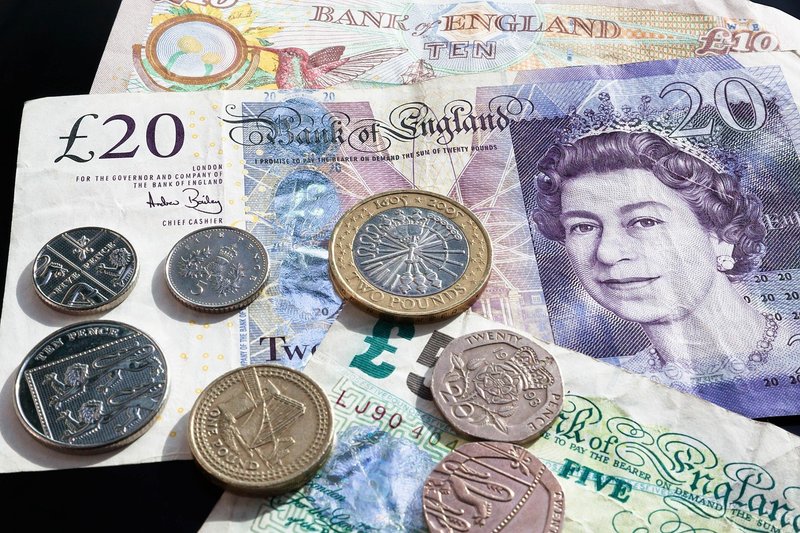
Representative image: 4366904 / Pixabay
Paddy Power owner Flutter said on 20 October 2026 it will cut up to 1,400 UK and Ireland jobs, blaming higher UK gambling taxes.
What Happened
Flutter Entertainment, the owner of Paddy Power, said on Tuesday, 20 October 2026 that it plans to cut up to 1,400 jobs in its UK and Ireland business, blaming higher gambling taxes introduced in last year's UK Budget. Chief executive Kevin Harrington said the company "cannot fully absorb" the increased betting and gaming duties. The cuts amount to roughly 15 to 16% of the division's workforce, according to reports, and affect staff in Leeds and Dublin as well as UK and Ireland teams at company hubs in Porto, Portugal, and Cluj-Napoca, Romania.
Key Facts
- Job cuts: up to 1,400 roles in Flutter's UK and Ireland division, announced 20 October 2026.
- Share of workforce: about 15% of the division's staff by some estimates; Reuters put it at almost 16%.
- Locations: Leeds and Dublin, plus UK and Ireland staff working from hubs in Porto and Cluj-Napoca. Local reports suggest more than 300 of the roles could be in Leeds, though this was not confirmed by the company.
- Tax cost: Flutter estimated the UK tax rises would cost it about $540 million in 2027, with planned first-stage measures to offset about $201 million.
- Restructuring cost: $80 million to $90 million, to be booked in the fourth quarter of 2026.
- The announcement follows a plan to close up to 100 Paddy Power betting shops; rival Entain earlier cut around 400 customer-care roles.
Why It Matters
This is a clear, real-world example of how a tax decision flows through to jobs. When the UK government raised duties on online gaming and betting in its last Budget, the aim was to raise revenue from a profitable industry. Flutter's response shows the other side of that policy: the company says the higher taxes have changed the economics of its regulated UK business, so it is cutting costs, and staff are the largest single cost it can reduce quickly.
Economists describe this as tax incidence, the question of who ends up bearing a tax. A tax charged to a company is often passed on in different ways: to customers through prices or worse odds, to shareholders through lower profits, or to workers through fewer jobs and slower pay growth. Flutter's numbers suggest all three may be in play, with about $540 million of extra tax cost in 2027 and only part of it offset by the first round of savings.
The timing also matters for British politics. The UK's next Budget is due on 28 October 2026, and businesses are lobbying hard about the effects of earlier tax rises. Flutter's announcement will be cited by those who argue that higher business taxes cost jobs, and by those who say gambling firms can afford to pay more. For Indian readers, the case is a reminder of how strongly tax rates shape whether companies in a regulated industry expand or shrink in a market.
| Item | Figure |
|---|---|
| Jobs at risk | Up to 1,400 |
| Share of UK and Ireland workforce | About 15-16% |
| Estimated extra tax cost in 2027 | About $540 million |
| First-stage cost offsets | About $201 million |
| Restructuring charge | $80-90 million (Q4 2026) |
Impact
Short-term: Staff in Leeds, Dublin and at the overseas hubs face consultation and possible redundancy. Some betting shops will close, and customers may see changes to products and promotions as the company cuts costs.
Long-term: If other operators follow, the UK gambling industry could shrink its workforce and shift more work to lower-cost locations. The government's revenue from the higher duties will depend on whether betting volumes hold up.
Who is affected: Flutter employees in the UK, Ireland, Portugal and Romania; the city economies of Leeds and Dublin; Flutter shareholders; and the UK Treasury, whose tax revenue depends on the industry's size.
Key Takeaway
Flutter said on 20 October 2026 it will cut up to 1,400 UK and Ireland jobs because it cannot fully absorb higher UK gambling taxes expected to cost it about $540 million in 2027.
Questions and Answers
Why is Flutter cutting 1,400 jobs?
Flutter says tax increases announced in last year's UK Budget have changed the economics of its UK business. Chief executive Kevin Harrington said the company cannot fully absorb the higher betting and gaming duties, which it estimates will cost about $540 million in 2027.
Where are the Flutter job cuts?
The roles are in the UK and Ireland division, including staff in Leeds and Dublin and UK and Ireland teams based at hubs in Porto, Portugal, and Cluj-Napoca, Romania.
How much will the job cuts cost Flutter?
Flutter expects restructuring costs of $80 million to $90 million, to be recorded in the fourth quarter of 2026, as part of plans to offset about $201 million of the higher tax bill at first.
What does this mean for the UK Budget on 28 October?
It adds to business lobbying over tax rises before the Budget. Supporters of the gambling tax say the industry can afford it, while the industry says higher duties cost jobs.
Disclaimer: Prepared by the Peepals newsroom from publicly available sources with AI assistance. Information is accurate to the best of our knowledge at the time of publication and may change. Images may be representative. Not professional advice. Report an error via our contact page.
Sourced and fact-checked by the Peepals Global Editorial Team
Reported, fact-checked and published by the Peepals Global Editorial Team.