
PLFS July-September 2026: unemployment falls to 5.1% as rural jobless rate drops
 By Neha KapoorEconomy Correspondent, Peepals Business
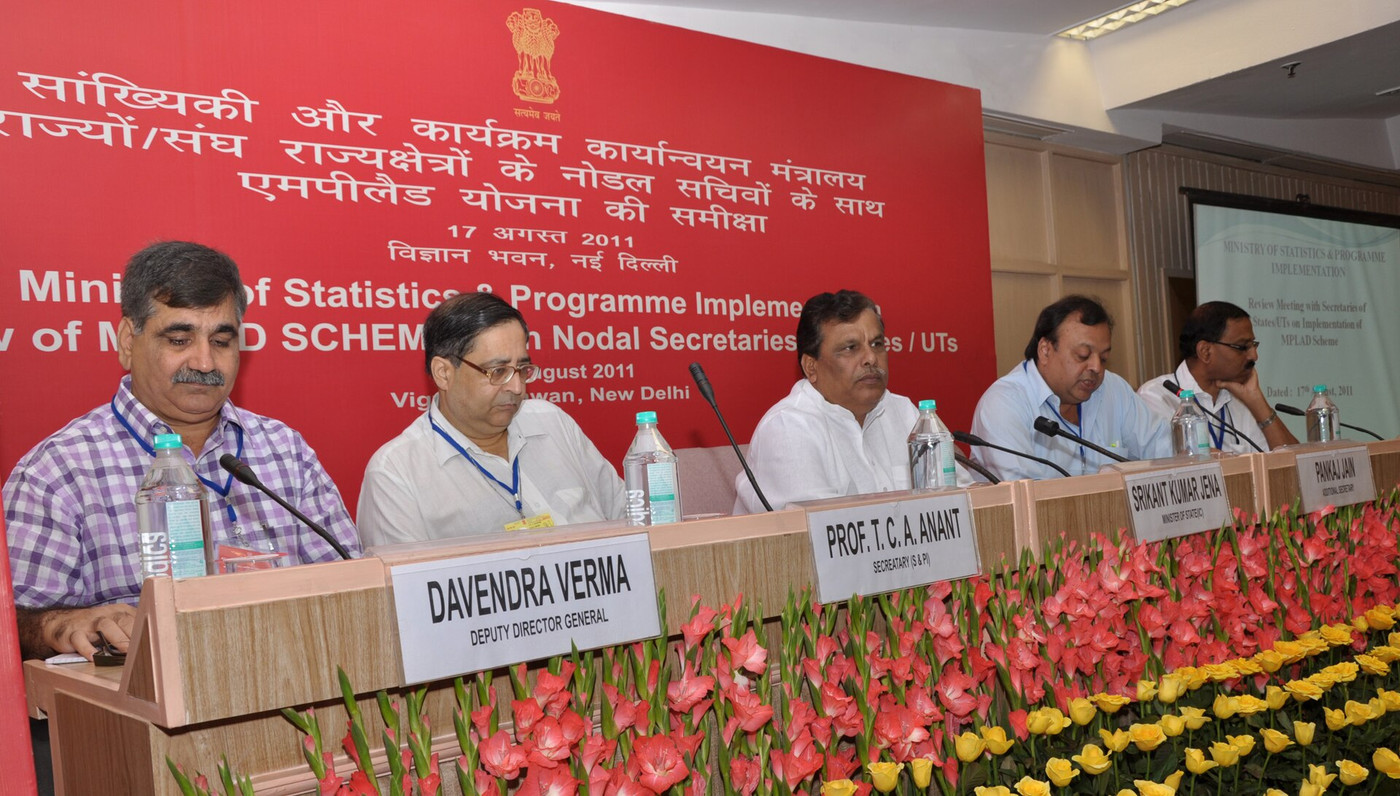
File photo: Ministry of Statistics and Programme Implementation (GODL-India), via Wikimedia Commons
India's unemployment rate fell to 5.1% in July-September 2026 from 5.4%, NSO data released on 10 November show, as rural joblessness dropped to 4.3% while urban rose to 6.8%.
What Happened
India's unemployment rate for people aged 15 and above fell to 5.1% in July-September 2026, from 5.4% in April-June, according to the quarterly Periodic Labour Force Survey (PLFS) released by the National Statistics Office (NSO) of the Ministry of Statistics and Programme Implementation on Tuesday, 10 November 2026. The fall came almost entirely from villages: the rural unemployment rate dropped to 4.3% from 4.8%, while the urban rate edged up to 6.8% from 6.7%. More people were also in the labour force, with the participation rate rising to 55.5% from 54.6%.
Key Facts
- National unemployment rate (age 15 and above): 5.1% in July-September 2026, down from 5.4% in April-June 2026 and 5.2% in July-September 2025.
- Rural unemployment rate: 4.3%, down from 4.8% in the previous quarter and close to the 4.4% of a year earlier.
- Urban unemployment rate: 6.8%, up slightly from 6.7% in April-June.
- Rural male unemployment fell by 0.3 percentage points to 4.4%.
- Labour force participation rate (LFPR), the share of people working or looking for work: 55.5%, up from 54.6%.
- Worker population ratio (WPR), the share of people actually employed: 52.7%.
- The quarterly estimates are based on information collected from 5,55,593 persons.
Why It Matters
The PLFS is India's main official measure of jobs. It is run every quarter by the NSO and asks households whether their members worked, looked for work or stayed out of the labour market. Businesses, economists and the government use its figures to judge whether economic growth is creating work.
The NSO data show that the improvement this quarter was rural: village joblessness fell by half a percentage point while towns and cities saw a small rise. That pattern matters for companies that sell to rural households, from two-wheeler makers to fast-moving consumer goods firms, because rural incomes depend heavily on whether people have regular work.
The urban figure points the other way. A rate of 6.8% means that in cities, roughly seven of every hundred people in the labour force were looking for work and could not find it. The slight increase came even as more people joined the labour force overall, which may mean new job-seekers are entering faster than city employers are hiring. The data do not by themselves explain the cause.
Rising participation is a separate, positive sign. When more people say they are working or searching for work, it usually reflects greater confidence that jobs are available. Both the participation rate and the worker ratio rose in the quarter.
Peepals calculation: The gap between urban and rural unemployment widened from 1.9 percentage points in April-June (6.7 − 4.8) to 2.5 points in July-September (6.8 − 4.3). As a check on the headline, the worker ratio and participation rate imply an unemployment rate of about 5.0% (1 − 52.7 ÷ 55.5 ≈ 0.050), in line with the reported 5.1% given rounding. The national rate's fall from 5.4% to 5.1% is a drop of about 5.6% in relative terms (0.3 ÷ 5.4). Our calculation from the reported figures.
| Measure | Apr-Jun 2026 | Jul-Sep 2026 |
|---|---|---|
| Unemployment rate, all India | 5.4% | 5.1% |
| Rural unemployment rate | 4.8% | 4.3% |
| Urban unemployment rate | 6.7% | 6.8% |
| Labour force participation rate | 54.6% | 55.5% |
Impact
Short-term: The lower rural jobless rate supports demand in village markets during the festive and post-harvest months, which matters for consumer companies' sales plans.
Long-term: A widening urban-rural gap, if it persists, would put pressure on policy for city jobs, especially for new entrants to the labour force.
Who is affected: Rural and urban job-seekers, employers, consumer-goods and auto companies that track rural demand, and policymakers who plan employment schemes.
Key Takeaway
India's unemployment rate fell to 5.1% in July-September 2026 because rural joblessness dropped, even as the urban rate rose slightly to 6.8%.
Questions and Answers
What is India's unemployment rate in the latest PLFS?
The PLFS released on 10 November 2026 puts the unemployment rate for people aged 15 and above at 5.1% for July-September 2026, down from 5.4% in April-June.
Did urban unemployment fall in July-September 2026?
No. Urban unemployment rose slightly to 6.8% from 6.7%; the national fall came from rural areas, where the rate dropped to 4.3% from 4.8%.
What is the labour force participation rate in the latest PLFS?
It rose to 55.5% in July-September 2026 from 54.6% in April-June, meaning a larger share of people aged 15 and above were working or looking for work.
Who publishes the PLFS?
The National Statistics Office under the Ministry of Statistics and Programme Implementation publishes it every quarter, based on a large household survey.
Disclaimer: Prepared by the Peepals newsroom from publicly available sources with AI assistance. Information is accurate to the best of our knowledge at the time of publication and may change. Images may be representative. Not professional advice. Report an error via our contact page.
By Neha Kapoor, Economy CorrespondentCovers Economy and more for Peepals Business. All stories by Neha Kapoor
Get the day's stories in your inbox
Peepals Weekly: the week decoded, free. One email a week, unsubscribe in one click.
Neha Kapoor is a pen name of the Peepals Global Editorial Team, which researches, fact-checks and publishes every story. The portrait is an illustration.