
WASDE November 2026: USDA cuts US corn crop, raises world wheat stocks
 By Arjun MehtaSenior Business Editor, Peepals Business
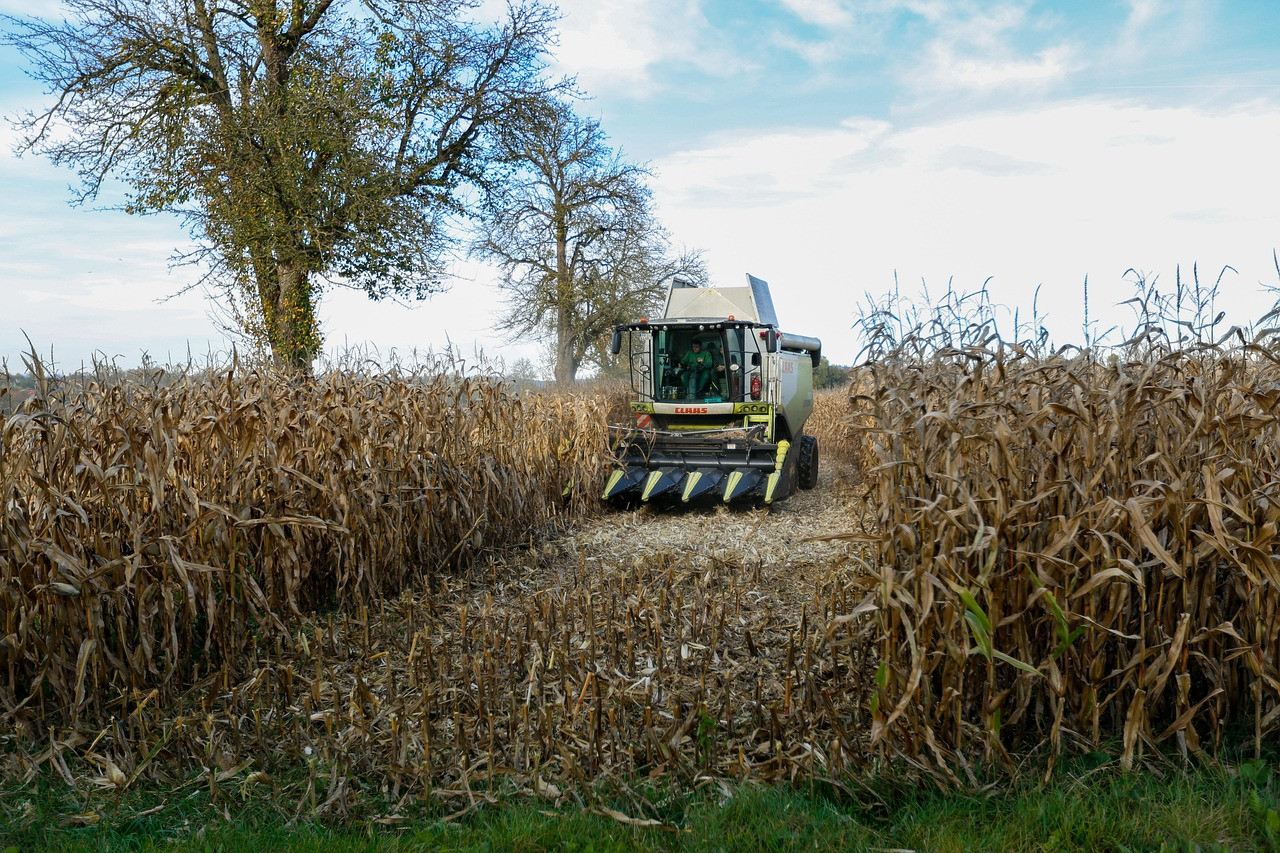
Representative image: schauhi / Pixabay
USDA's 10 November 2026 WASDE cut the US corn yield to 179.6 bushels an acre, tightened soybean stocks and raised world wheat stocks.
What Happened
The United States Department of Agriculture (USDA) cut its estimate of the 2026-27 US corn harvest in its November World Agricultural Supply and Demand Estimates (WASDE) report, released on Tuesday, 10 November 2026. It lowered the national corn yield to 179.6 bushels per acre from 181.2 a month earlier, which brought expected production down by 141 million bushels to 15.893 billion bushels. In the same report the USDA raised the US soybean yield to 53.3 bushels per acre, lifted its soybean export forecast and trimmed its estimate of world soybean stocks, while it raised its forecast of world wheat stocks, according to reports of the release by US farm news services.
Key Facts
- Report: USDA's monthly WASDE, released Tuesday, 10 November 2026.
- US corn yield: 179.6 bushels per acre, down from 181.2 in October.
- US corn production: 15.893 billion bushels, down 141 million bushels; the season-average farm price forecast fell 10 cents to $4.60 a bushel.
- US soybean yield: 53.3 bushels per acre, lifting output by 12 million bushels to 4.574 billion bushels.
- US soybean exports were raised to 1.72 billion bushels, cutting US ending stocks to 300 million bushels; the price forecast rose 10 cents to $12.10.
- World soybean ending stocks for 2026-27 fell by about 0.8 million tonnes to 123.5 million tonnes.
- US wheat production was left unchanged at 1.534 billion bushels; US wheat ending stocks rose to 743 million bushels from 740 million.
- World wheat ending stocks were raised by 4.8 million tonnes to 280.8 million tonnes, according to one market analysis of the report.
Why It Matters
The WASDE is the monthly balance sheet that traders, food companies and governments around the world use to judge how much grain and oilseed there will be and how much it may cost. Corn and soybeans from the United States feed livestock, make cooking oil and supply biofuel plants, and the US is among the largest exporters of both. A change in the US harvest therefore moves prices on exchanges that set the tone for global trade.
The corn cut caught many in the market by surprise. Analysts surveyed before the report had expected a smaller reduction: estimates of their average varied between sources, from about 180.3 to 180.6 bushels per acre, but all were above the 179.6 figure the USDA published. Even after the cut, the US expects to end the season with corn stocks of 1,758 million bushels, equal to 10.8% of a year's use, so supplies remain comfortable rather than tight.
Soybeans moved the other way on yield but tighter on stocks. Better yields added beans, yet stronger export demand took more out, leaving US stocks lower and the price forecast higher. For India, which grows soybeans across Madhya Pradesh and Maharashtra and imports large volumes of edible oil, world soybean and soy oil prices matter to processors and, through them, to the prices farmers are offered at home.
Wheat looks well supplied worldwide. One market analysis said world wheat production was raised by 5.1 million tonnes to 827.5 million, led by bigger crops in Argentina and Australia, and that world ending stocks came in above the highest trade estimate. Plentiful wheat elsewhere tends to keep a lid on world prices, which matters to exporters and importers alike.
Peepals calculation: The corn yield cut of 1.6 bushels per acre (181.2 minus 179.6) is a drop of about 0.9% (1.6 ÷ 181.2 = 0.0088), and the production cut of 141 million bushels on a previous estimate of about 16.034 billion (15.893 + 0.141) is also about 0.9%. World wheat stocks rose from about 276.0 million tonnes to 280.8 million, an increase of about 1.7% (4.8 ÷ 276.0 = 0.017). World soybean stocks fell by about 0.6% (0.8 ÷ 124.3). Our calculation from the reported figures.
| Crop | November estimate | Change from October |
|---|---|---|
| US corn yield | 179.6 bushels/acre | down 1.6 |
| US corn production | 15.893 billion bushels | down 141 million |
| US soybean yield | 53.3 bushels/acre | up |
| US soybean ending stocks | 300 million bushels | down |
| World wheat ending stocks | 280.8 million tonnes | up 4.8 million |
Impact
Short-term: Corn futures and the prices of feed grains react to the smaller US harvest, while soybean prices get support from the lower stocks and higher US price forecast. Wheat buyers get some comfort from bigger world stocks.
Long-term: The final size of the US corn and soybean crops will be fixed in the USDA's later reports and the January annual summary. If yields keep slipping, world feed and oilseed prices could firm through 2027; if not, today's comfortable corn and wheat stocks should keep prices in check.
Who is affected: Grain and oilseed traders, livestock and poultry feed makers, edible oil processors, soybean farmers in India and elsewhere, wheat-importing countries, and food companies that buy corn, soy and wheat.
What to watch next: The USDA's next WASDE report in December, which will update these estimates again.
Key Takeaway
The USDA's November WASDE trimmed the US corn crop to 15.893 billion bushels and tightened soybean stocks, while raising world wheat stocks, giving a firmer tone to corn and soy and an easier one to wheat.
Questions and Answers
What did the November 2026 WASDE report say about corn?
The USDA cut the 2026-27 US corn yield to 179.6 bushels per acre from 181.2, lowering production by 141 million bushels to 15.893 billion bushels, and cut its season-average price forecast by 10 cents to $4.60.
What happened to soybeans in the WASDE report?
The US soybean yield was raised to 53.3 bushels per acre, but higher exports of 1.72 billion bushels cut US ending stocks to 300 million bushels, and the price forecast rose 10 cents to $12.10. World soybean stocks fell to 123.5 million tonnes.
Is there plenty of wheat in the world?
Yes, according to the report as analysed by the market: world wheat ending stocks were raised by 4.8 million tonnes to 280.8 million, and US wheat stocks rose slightly to 743 million bushels.
Why does a US crop report matter to Indian farmers?
The United States is a major exporter of corn and soybeans, so its estimates move world prices for feed, soybeans and edible oils, which in turn influence what processors pay for crops and charge for oil in India.
Disclaimer: Prepared by the Peepals newsroom from publicly available sources with AI assistance. Information is accurate to the best of our knowledge at the time of publication and may change. Images may be representative. Not professional advice. Report an error via our contact page.
By Arjun Mehta, Senior Business EditorCovers Start-ups & Opportunities and more for Peepals Business. All stories by Arjun Mehta
Get the day's stories in your inbox
Peepals Weekly: the week decoded, free. One email a week, unsubscribe in one click.
Arjun Mehta is a pen name of the Peepals Global Editorial Team, which researches, fact-checks and publishes every story. The portrait is an illustration.