
Qualcomm Q4: data centre sales hit 50 million, handset chips fall 26%
 By Rohit SharmaMarkets Analyst, Peepals Business
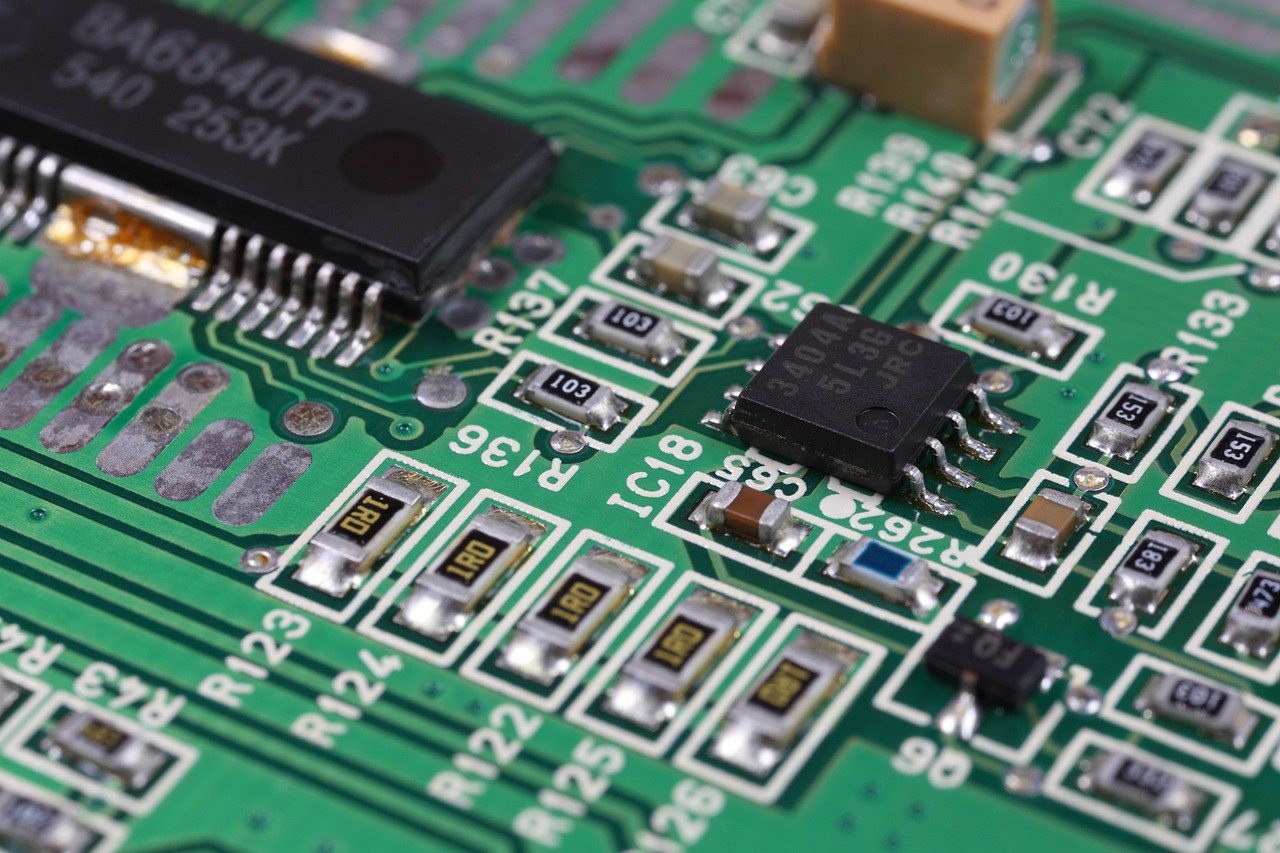
Representative image: nanoslavic / Pixabay
Qualcomm's fiscal Q4 2026 revenue was about $10.4 billion as data-centre sales reached about $650 million and car-chip revenue rose 89%, while handset chip sales fell 26%.
What Happened
Qualcomm, the US chip designer best known for processors used in smartphones, reported revenue of about $10.4 billion for its fiscal fourth quarter of 2026 on Wednesday, 4 November 2026, with adjusted earnings of $2.17 a share, slightly ahead of analysts' expectations. Revenue from data-centre products, a business the company is building to compete in artificial intelligence (AI) computing, reached about $650 million in the quarter, and automotive chip revenue rose 89% to about $2 billion. Sales of handset chips fell 26%, as a shortage of memory chips weighed on smartphone production, according to reports of the results. Qualcomm's shares fell about 7% after its outlook for the December quarter disappointed investors.
Key Facts
- Fiscal Q4 2026 revenue: about $10.4 billion on an adjusted basis; reported (GAAP) revenue of about $10.32 billion, according to one report.
- Adjusted earnings per share: $2.17.
- Data-centre revenue: about $650 million in the quarter, mostly from custom chip and connectivity work.
- Automotive revenue: up 89% to about $2 billion.
- Handset chip revenue: down 26%, linked to a memory chip shortage hitting smartphone output.
- December-quarter guidance: revenue of $10.4 billion to $11.2 billion and adjusted EPS of $2.15 to $2.35; data-centre revenue expected above $650 million.
- Targets: about $5 billion of data-centre revenue in fiscal 2027, a $7 billion annual run rate by the end of that year, and $15 billion in fiscal 2029, the company said.
- New partnership: a multi-generation AI data-centre collaboration with Amazon.
Why It Matters
Qualcomm's results show how quickly the AI boom is reshaping the chip industry. For decades the company's fortunes rose and fell with smartphones. Now it is betting heavily on data centres, the large computer farms that train and run AI systems, and on cars, which need ever more computing for driver assistance and infotainment. In this quarter, the two growth businesses moved in the right direction while the traditional phone business shrank.
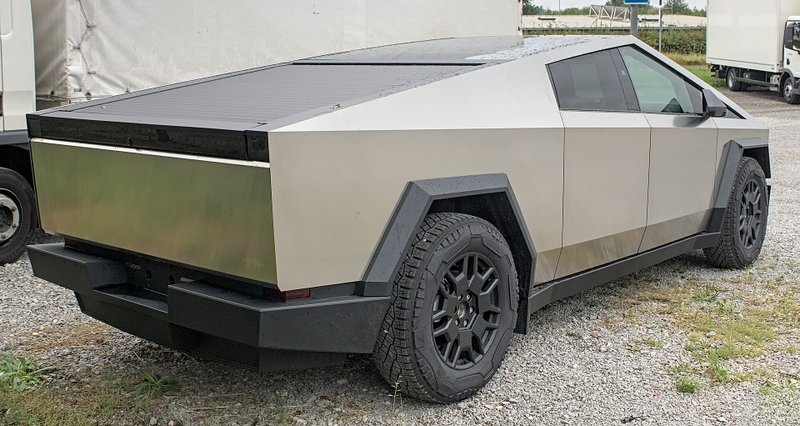
The memory shortage is the other story in the numbers. AI data centres are absorbing a large share of the world's memory chip production, which leaves less for phones and PCs and pushes up their cost. When phone makers cannot get enough memory, they build fewer phones and order fewer processors, which is what hit Qualcomm's handset sales. This links to what consumers pay: when memory is scarce, the cost of building phones and computers rises, and buyers, including in India, can face higher prices or fewer choices.
For businesses, Qualcomm's targets are a statement of intent rather than a guarantee. Going from about $650 million a quarter to $5 billion for a full year means the data-centre business must grow sharply through fiscal 2027. The Amazon collaboration gives the plan a large customer, but Qualcomm faces established competitors in AI chips, and the market's 7% fall in the share price shows investors want proof that growth in new areas can offset weakness in phones.
Peepals calculation: Data-centre revenue of about $650 million was about 6% of the quarter's roughly $10.4 billion revenue (0.65 ÷ 10.44 ≈ 0.06), while automotive's roughly $2 billion was about 19% (2 ÷ 10.44 ≈ 0.19). To reach the $5 billion data-centre target for fiscal 2027, Qualcomm would need to average about $1.25 billion a quarter (5 ÷ 4), nearly double the latest quarter. Our calculation from the reported figures.
| Segment or measure | Fiscal Q4 2026 (as reported) |
|---|---|
| Total revenue (adjusted) | about $10.4 billion |
| Data centre | about $650 million |
| Automotive | about $2 billion, up 89% |
| Handset chips | down 26% |
| Adjusted EPS | $2.17 |
Impact
Short-term: Qualcomm's guidance signals continued pressure on smartphone chip sales while the memory shortage lasts. Phone makers that rely on its processors may face tight supply and higher costs.
Long-term: If the data-centre and automotive businesses grow as planned, Qualcomm would be far less dependent on smartphones by the end of the decade, changing its competitive position in the chip industry.
Who is affected: Qualcomm's shareholders and customers; smartphone makers and buyers facing higher memory costs; carmakers using its automotive chips; and cloud companies, such as Amazon, building AI data centres.
What to watch next: Qualcomm's December-quarter results against its guidance of $10.4 billion to $11.2 billion in revenue.
Key Takeaway
Qualcomm's fiscal Q4 2026 showed its shift away from phones: data-centre sales reached about $650 million and car chips rose 89%, while handset chips fell 26% on a memory shortage.
Questions and Answers
What were Qualcomm's Q4 2026 results?
For the quarter reported on 4 November 2026, Qualcomm posted adjusted revenue of about $10.4 billion and adjusted earnings of $2.17 a share, slightly ahead of expectations.
Why did Qualcomm's handset chip sales fall?
Handset chip revenue fell 26%, which reports linked to a shortage of memory chips that limited smartphone production.
How big is Qualcomm's data centre business?
About $650 million in fiscal Q4 2026. The company targets about $5 billion in fiscal 2027 and $15 billion in fiscal 2029.
Why did Qualcomm shares fall after results?
The shares fell about 7% after the company's outlook for the December quarter disappointed investors, according to reports.
Disclaimer: Prepared by the Peepals newsroom from publicly available sources with AI assistance. Information is accurate to the best of our knowledge at the time of publication and may change. Images may be representative. Not professional advice. Report an error via our contact page.
By Rohit Sharma, Markets AnalystCovers Markets Watch and more for Peepals Business. All stories by Rohit Sharma
TTK Prestige stock hits Rs 630, up 14%, as cookware maker's quarterly earnings jump
Cyclone Murasu: Naidu seeks Centre's interim aid as 1.86 lakh farmers hit
Get the day's stories in your inbox
Peepals Weekly: the week decoded, free. One email a week, unsubscribe in one click.
Rohit Sharma is a pen name of the Peepals Global Editorial Team, which researches, fact-checks and publishes every story. The portrait is an illustration.