
RBI fines MobiKwik Rs 9 lakh over wallet transfers and late fraud reports
 By Neha KapoorEconomy Correspondent, Peepals Business
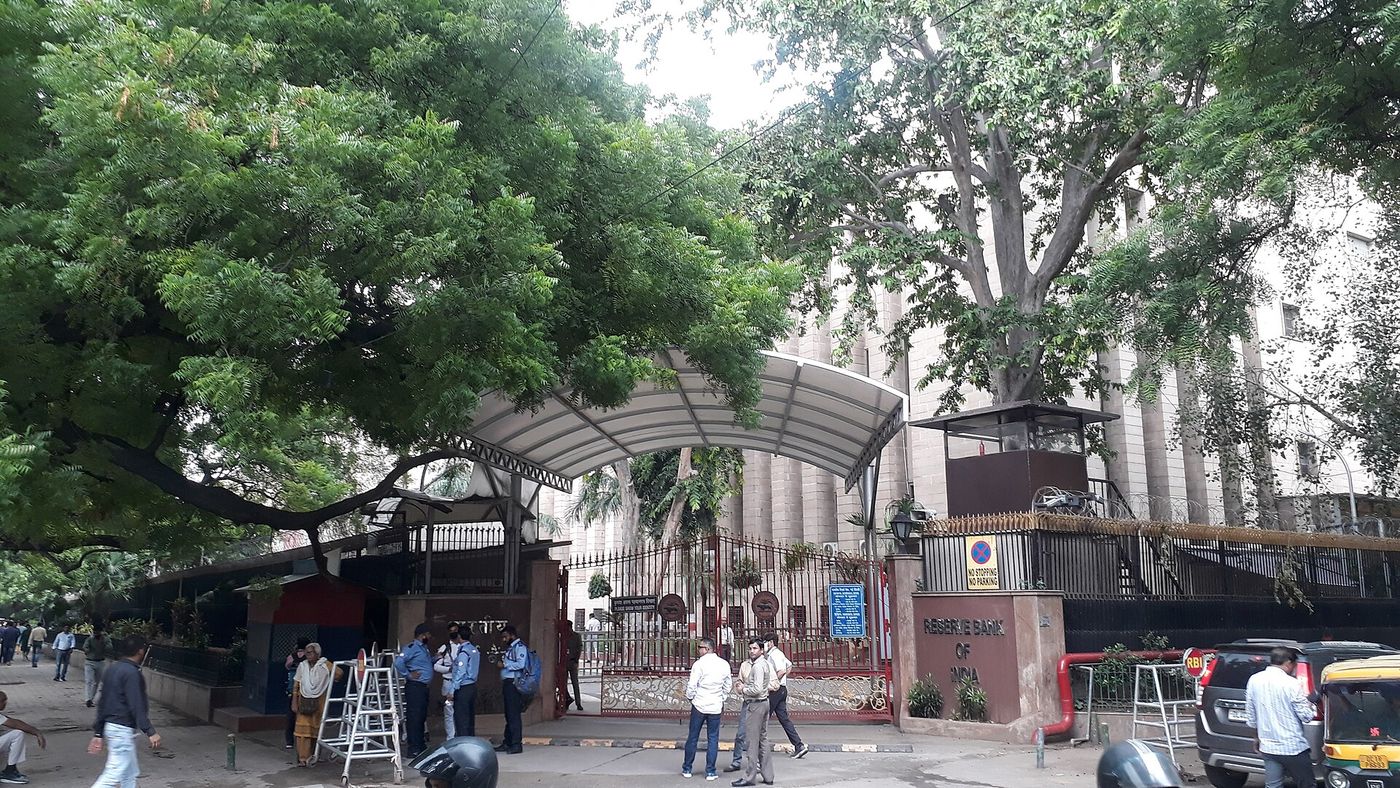
File photo: Pinakpani (CC BY-SA 4.0), via Wikimedia Commons
The RBI fined One Mobikwik Systems Rs 9 lakh, announced on 13 November 2026, for wallet transfers to unregistered payees beyond the limit and late fraud reporting.
What Happened
The Reserve Bank of India (RBI) has imposed a penalty of Rs 9 lakh on One Mobikwik Systems Limited, the company behind the MobiKwik wallet and payments app, for breaking rules on prepaid payment instruments and on reporting frauds. The RBI made the penalty public in a press release on Friday, 13 November 2026; the order itself is dated Friday, 6 November. The regulator said MobiKwik allowed some wallet holders to send money to people who had not been registered in advance beyond the permitted limit, and did not report certain frauds within the required time. MobiKwik disclosed the order to the stock exchanges on 13 November.
RBI: key facts
- Penalty: Rs 9 lakh on One Mobikwik Systems Limited.
- Order date: Friday, 6 November 2026; RBI press release: Friday, 13 November 2026.
- Legal basis: section 30(1) read with section 26(6) of the Payment and Settlement Systems Act, 2007.
- Breach 1: some prepaid payment instrument (PPI) holders were allowed to transfer funds to non-pre-registered beneficiaries above the prescribed limit.
- Breach 2: certain frauds were not reported within the prescribed timeline.
- The findings came from a statutory inspection covering June 2025 to March 2026, followed by a show-cause notice, the company's reply and a personal hearing.
- The RBI said the penalty does not stop it from taking any other action against the company.
RBI: why it matters
Prepaid payment instruments are digital wallets and prepaid cards into which users load money and then spend or send it. Because wallets can be opened easily, the RBI limits how much money can be sent from them, especially to people the user has not registered in advance as a beneficiary. These limits are a basic protection against fraud and money laundering: they make it harder for stolen or illegal money to move quickly through many wallets.
The second breach is about speed. Payment companies must report frauds to the RBI within fixed time limits so that the regulator can track patterns and act. Late reporting weakens that system. The RBI's finding is that MobiKwik fell short on both counts during the period it inspected.
The amount is small, but the signal matters. Penalties of this kind show which rules the regulator is checking closely in the digital payments sector. For a listed payments company such as MobiKwik, which had to disclose the order to the stock exchanges, regulatory findings are also a matter its investors watch.
For users, the penalty is about the company's compliance; the RBI's announcement does not restrict the wallet service. Wallet users should register the people they send money to regularly and report any suspicious transaction to the company and on the national cyber-crime helpline.
Peepals timeline: the RBI's statutory inspection of MobiKwik covered the period from June 2025 to March 2026, about ten months. The RBI then issued a show-cause notice, heard the company's reply and gave it a personal hearing. It passed the penalty order on Friday, 6 November 2026, and announced it a week later, on Friday, 13 November, the same day MobiKwik told the stock exchanges.
| Item | Detail |
|---|---|
| Company | One Mobikwik Systems Limited |
| Penalty | Rs 9 lakh |
| Order date | 6 November 2026 |
| Announced | 13 November 2026 |
| Law | Payment and Settlement Systems Act, 2007, section 30(1) with section 26(6) |
| Inspection period | June 2025 to March 2026 |
Impact
Short-term: MobiKwik pays the penalty and is expected to tighten its checks on transfers to non-registered beneficiaries and its fraud-reporting process.
Long-term: the case adds to the RBI's steady enforcement of rules for wallet companies, which pushes the whole sector to invest more in fraud monitoring and compliance.
Who is affected: MobiKwik and its shareholders; MobiKwik wallet users; other prepaid payment companies, which face the same rules; and compliance teams across the digital payments industry.
Key Takeaway
The RBI fined One Mobikwik Systems Rs 9 lakh, announced on 13 November 2026, for allowing wallet transfers to unregistered beneficiaries beyond the limit and for late fraud reporting.
Questions and Answers
Why did RBI fine MobiKwik?
The RBI fined One Mobikwik Systems Rs 9 lakh because it allowed some wallet holders to send money to non-pre-registered beneficiaries above the prescribed limit and did not report certain frauds within the required time.
How much is the RBI penalty on MobiKwik?
Rs 9 lakh, under the Payment and Settlement Systems Act, 2007. The order is dated 6 November 2026 and was announced on 13 November 2026.
What is a prepaid payment instrument?
It is a digital wallet or prepaid card into which money is loaded in advance and then used to pay or transfer money. The RBI sets rules on how much can be transferred from such wallets.
Can MobiKwik users keep using their wallets?
Yes. The penalty concerns the company's compliance with RBI rules; nothing in the RBI's announcement stops customers from using the service.
Disclaimer: Prepared by the Peepals newsroom from publicly available sources with AI assistance. Information is accurate to the best of our knowledge at the time of publication and may change. Images may be representative. Not professional advice. Report an error via our contact page.
By Neha Kapoor, Economy CorrespondentCovers Economy and more for Peepals Business. All stories by Neha Kapoor
Hitachi Energy India shares jump up to 11% as Q2 revenue rises 63.5%
GKVK Krishi Mela 2026: three days from November 16, drought theme
Get the day's stories in your inbox
Peepals Weekly: the week decoded, free. One email a week, unsubscribe in one click.
Neha Kapoor is a pen name of the Peepals Global Editorial Team, which researches, fact-checks and publishes every story. The portrait is an illustration.
Responsible for this story: the Peepals Global Editorial Team, led by editor Prashant Sonar. How we report