
PLI schemes report: 76% of investment goal, only 28% of jobs target
 By Neha KapoorEconomy Correspondent, Peepals Business
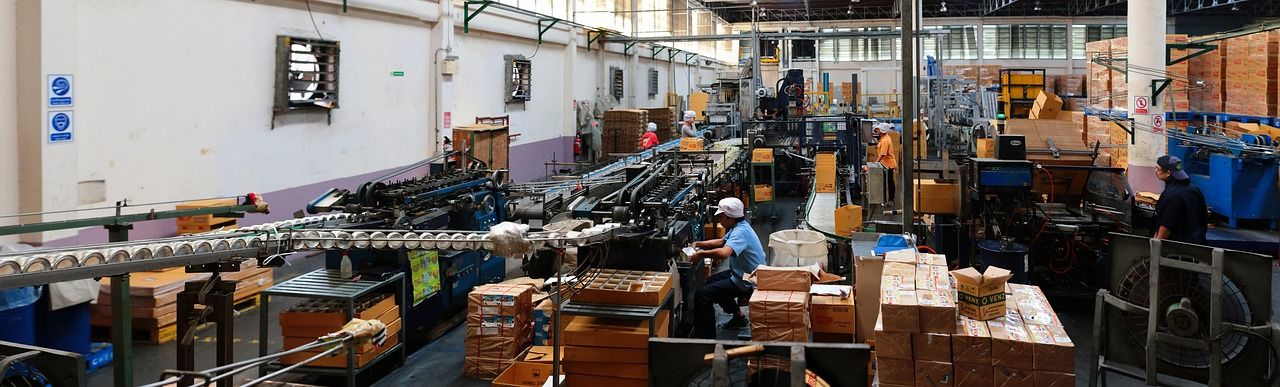
Representative image: chaingam990 / Pixabay
NITI Aayog's PLI review, released on 12 November 2026, finds Rs 2.40 lakh crore invested and 8.49 lakh jobs created, 28% of the target.
What Happened
NITI Aayog released a report titled "Impact Assessment of PLI Schemes" on Thursday, 12 November 2026, a mid-course review of all 14 Production Linked Incentive (PLI) schemes, prepared with the Indian Institute of Management Ahmedabad as knowledge partner. The review finds that the schemes had drawn investment of Rs 2.40 lakh crore and production worth Rs 22.66 lakh crore by March 2026, but had created 8,49,069 jobs, about 28% of the target of 30,18,750 set for their full tenure.
PLI scheme: key facts
- Report: "Impact Assessment of PLI Schemes", by NITI Aayog with IIM Ahmedabad, released on 12 November 2026; data run to March 2026.
- Coverage: all 14 PLI schemes, assessed sector by sector.
- Investment: Rs 2.40 lakh crore, about 76% of the investment the schemes envisaged.
- Production and sales: Rs 22.66 lakh crore, about 64% of the target.
- Jobs: 8,49,069 created against a full-tenure target of 30,18,750, about 28%.
- Incentives paid: about Rs 35,350 crore, roughly 18.5% of the combined approved outlay of about Rs 1.91 lakh crore.
- On track on all four measures (investment, production, exports and jobs): large-scale electronics manufacturing, pharmaceutical drugs, telecom and networking products, and food products.
- Weak or partial results: bulk drugs on exports, medical devices on jobs, and IT hardware on investment.
PLI scheme: why it matters
The PLI programme is the Centre's main tool for building factories in India. It pays companies an incentive linked to the extra sales they make from goods produced in India, so money flows only after output rises. Fourteen sectors are covered, from mobile phones and pharmaceuticals to food processing, telecom equipment and medical devices. Because the scheme is performance-based, a low payout figure does not by itself mean failure: companies that have not yet hit their sales thresholds have simply not been paid.
What the review does show is a clear gap between capital and jobs. Investment has reached three-quarters of its goal and production nearly two-thirds, but employment is below one-third. For a country where creating work for young people is the central economic challenge, that gap is the finding that will draw most attention. It also reflects the nature of the sectors that did best: electronics assembly, telecom gear and pharmaceuticals are capital-heavy and often automated.
The report also notes that the results are uneven. Four sectors are on track on every measure, while the bulk drugs scheme has been weak on exports, the medical devices scheme on jobs and the IT hardware scheme on investment. Reports on the release said the gains for small firms (MSMEs) were modest and mostly indirect, through supplying larger companies, and that the review flagged gaps in the data companies report on exports and employment.
Peepals calculation: Each rupee invested under PLI has gone with about Rs 9.4 of production and sales (22.66 ÷ 2.40 = 9.44). The investment per job created works out to about Rs 28 lakh (Rs 2.40 lakh crore ÷ 8,49,069 jobs ≈ Rs 28.3 lakh). If Rs 2.40 lakh crore is 76% of the goal, the investment target was about Rs 3.16 lakh crore (2.40 ÷ 0.76); if Rs 22.66 lakh crore is 64% of the goal, the production target was about Rs 35.4 lakh crore (22.66 ÷ 0.64). Our calculation from the reported figures.
| Measure | Achieved by March 2026 | Share of target |
|---|---|---|
| Investment | Rs 2.40 lakh crore | about 76% |
| Production and sales | Rs 22.66 lakh crore | about 64% |
| Jobs | 8,49,069 | about 28% |
| Incentives paid | about Rs 35,350 crore | about 18.5% of outlay |
Impact
Short-term: The ministries that run each scheme now have an independent, sector-wise scorecard. Schemes marked weak, such as bulk drugs, medical devices and IT hardware, are the most likely to see their rules or targets reviewed.
Long-term: The review shifts the debate about industrial policy from how much is invested to how many jobs and exports the money brings. Future rounds of incentives may be designed to reward employment and supplier development, not just output, if the government follows the report's direction.
Who is affected: Companies holding PLI approvals in the 14 sectors; MSMEs that supply them; job seekers in manufacturing; and taxpayers, since the incentives come from the Union budget.
Key Takeaway
NITI Aayog's review finds that PLI schemes reached 76% of their investment goal and 64% of their production goal by March 2026 but only 28% of their jobs goal, with results strong in electronics, pharma, telecom and food and weak in bulk drugs, medical devices and IT hardware.
Questions and Answers
What does the NITI Aayog PLI scheme report say?
The "Impact Assessment of PLI Schemes", released on 12 November 2026 with IIM Ahmedabad, says the 14 schemes attracted Rs 2.40 lakh crore of investment and Rs 22.66 lakh crore of production by March 2026, but created only about 28% of the jobs they targeted.
How many jobs have PLI schemes created?
8,49,069 jobs by March 2026, against a target of 30,18,750 over the full life of the schemes, according to the report.
Which PLI sectors are doing well?
Large-scale electronics manufacturing, pharmaceutical drugs, telecom and networking products, and food products are on track on investment, production, exports and jobs, the report says.
Why has so little of the PLI money been paid out?
Incentives are paid only after companies meet their sales targets, so payouts lag. About Rs 35,350 crore, roughly 18.5% of the combined outlay of about Rs 1.91 lakh crore, had been paid by March 2026.
Disclaimer: Prepared by the Peepals newsroom from publicly available sources with AI assistance. Information is accurate to the best of our knowledge at the time of publication and may change. Images may be representative. Not professional advice. Report an error via our contact page.
By Neha Kapoor, Economy CorrespondentCovers Economy and more for Peepals Business. All stories by Neha Kapoor
Meesho share price: SoftBank arm sells 1.65% for Rs 1,885 crore
Sugar quota for late November: 13 lakh tonnes for 587 mills
Get the day's stories in your inbox
Peepals Weekly: the week decoded, free. One email a week, unsubscribe in one click.
Neha Kapoor is a pen name of the Peepals Global Editorial Team, which researches, fact-checks and publishes every story. The portrait is an illustration.
Responsible for this story: the Peepals Global Editorial Team, led by editor Prashant Sonar. How we report