
Indian rice export prices hit one-month low as Vietnam, Thailand soar
 By Neha KapoorEconomy Correspondent, Peepals Business
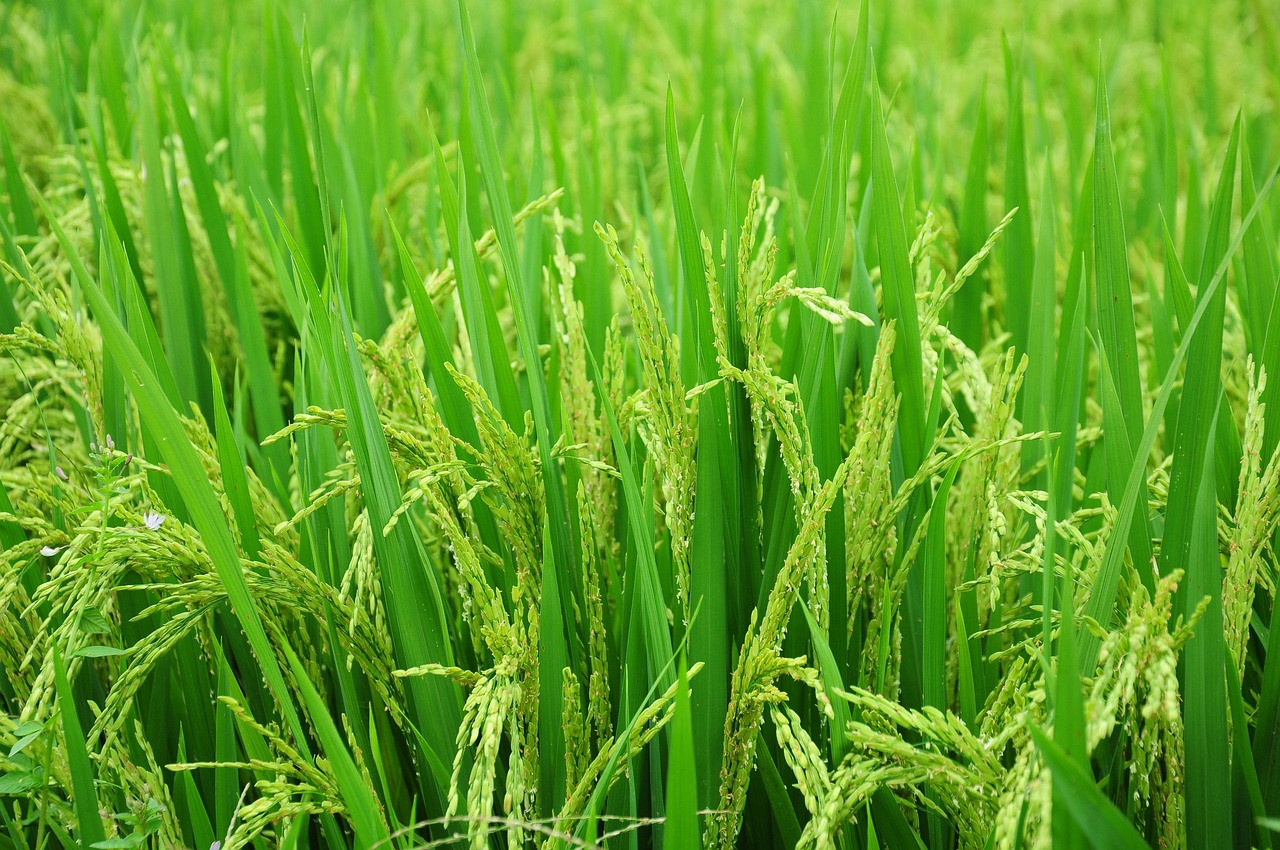
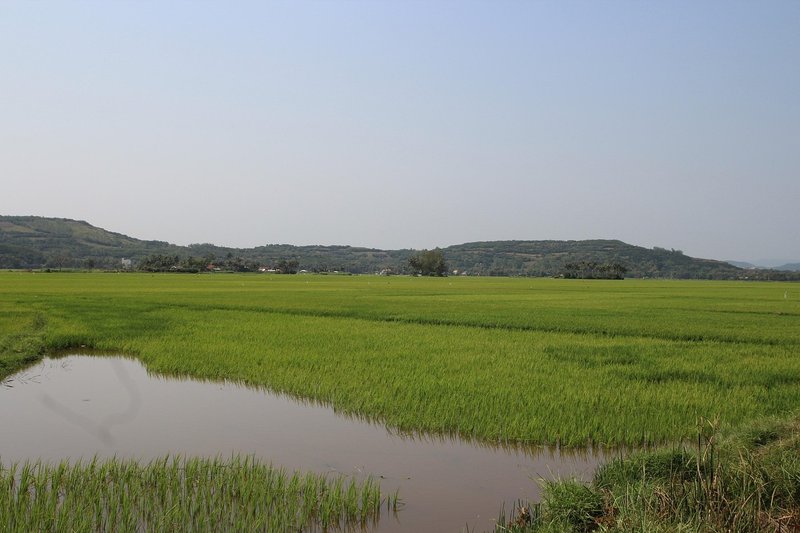
Representative image: dangtrunghieu / Pixabay
Indian 5% broken parboiled rice fell to $382-386 a tonne in early November 2026, while Vietnam and Thailand neared two-year highs, leaving a $100-plus gap.
What Happened
India's rice export prices slipped to their lowest level in about a month in the first week of November 2026, even as rival exporters Vietnam and Thailand saw prices climb to near two-year highs, according to the weekly Asia rice market survey published on Thursday, 5 November 2026. India's 5% broken parboiled rice was quoted at $382 to $386 a tonne, the lowest since 8 October and down from $387 to $392 a week earlier, as new-season crop arrivals improved supply. Vietnam's 5% broken rice rose to $480 to $490 a tonne, its highest since December 2024, and Thailand's 5% broken grade rose to $490 to $495, its highest since January 2025.
Key Facts
- India, 5% broken parboiled: $382-$386 a tonne, lowest since 8 October 2026, down from $387-$392 a week earlier.
- India, 5% broken white rice: quoted at $389-$393 a tonne.
- Vietnam, 5% broken: $480-$490 a tonne, up from $470-$480 a week earlier and the highest since December 2024.
- Thailand, 5% broken: $490-$495 a tonne, the highest since January 2025.
- Traders linked the Vietnamese rise to renewed buying from the Philippines; reports also cited flooding that cut output in some growing areas.
- Indian prices eased as new-season paddy arrivals from northern states improved supply.
Why It Matters
Rice exports are a major source of income for India's farm economy, so the price Indian traders can get abroad matters to farmers, millers and exporters at home. The latest survey shows an unusual split: while Vietnam and Thailand, India's main competitors, are enjoying their best prices in nearly two years, Indian prices are drifting lower because of the new harvest.
That gap can work in two directions. On one hand, Indian rice is now more than $100 a tonne cheaper than Vietnamese or Thai rice of similar grades, which makes it attractive to price-sensitive importers. When one big supplier is far cheaper, buyers often move orders there, which could lift Indian export volumes in the coming weeks. On the other hand, lower export prices limit how much of the global rally reaches Indian farmers and mills, at a time when farmers in some states have complained about mandi prices for other crops.
For policymakers, the numbers feed into ongoing debates about export rules. Industry bodies have warned that broken-rice export curbs could return if domestic prices rise; for now, the export market is soft rather than tight. Rising prices in Vietnam and Thailand also show how weather and buying from countries such as the Philippines can quickly change the regional market.
For rural India, steady export demand helps support paddy prices during the procurement season, when farmers sell the bulk of their kharif crop. Whether the price gap turns into more orders will shape how much benefit reaches the farm gate.
Peepals calculation: Taking the middle of each range, Vietnamese 5% broken rice at about $485 a tonne was about $101 more than Indian parboiled at about $384 (485 − 384 = 101), roughly 26% dearer (485 ÷ 384 ≈ 1.26). Thai rice at about $492.50 was about $108.50 more (492.5 − 384), about 28% dearer. Indian parboiled fell by about $5.50 a tonne in a week (389.5 − 384). Our calculation from the reported figures.
| Origin and grade | Price ($ a tonne) | Note |
|---|---|---|
| India, 5% broken parboiled | 382-386 | Lowest since 8 October |
| India, 5% broken white | 389-393 | | |
| Vietnam, 5% broken | 480-490 | Highest since December 2024 |
| Thailand, 5% broken | 490-495 | Highest since January 2025 |
Impact
Short-term: Indian exporters may win more orders from price-conscious buyers as the gap with Vietnam and Thailand stays above $100 a tonne.
Long-term: If new-season supply keeps Indian prices low while rivals stay high, India could strengthen its share of the global rice trade, though farm incomes depend on how domestic paddy prices hold up.
Who is affected: Indian rice farmers, millers and exporters; rice importers; and rival exporters in Vietnam and Thailand.
Key Takeaway
In early November 2026, Indian rice export prices fell to a one-month low of $382-$386 a tonne as Vietnamese and Thai rice hit near two-year highs, leaving India more than $100 a tonne cheaper.
Questions and Answers
What is the price of Indian rice exports in November 2026?
In the survey published on 5 November 2026, India's 5% broken parboiled rice was quoted at $382 to $386 a tonne, and 5% broken white rice at $389 to $393.
Why have Vietnam and Thailand rice prices risen?
Traders cited strong demand, including renewed buying from the Philippines, and flooding that reduced output in some growing areas.
Why are Indian rice prices falling?
New-season paddy arrivals from northern states have improved supply, pushing export prices to their lowest since 8 October.
How big is the price gap between Indian and Vietnamese rice?
Using mid-points, Vietnamese 5% broken rice was about $101 a tonne dearer than Indian parboiled rice, roughly 26% more.
Disclaimer: Prepared by the Peepals newsroom from publicly available sources with AI assistance. Information is accurate to the best of our knowledge at the time of publication and may change. Images may be representative. Not professional advice. Report an error via our contact page.
By Neha Kapoor, Economy CorrespondentCovers Economy and more for Peepals Business. All stories by Neha Kapoor
Mahanadi Coalfields IPO: SEBI clears Coal India's 10% stake sale
Global debt: developing nations' external debt hits record $9.4 trillion
Get the day's stories in your inbox
Peepals Weekly: the week decoded, free. One email a week, unsubscribe in one click.
Neha Kapoor is a pen name of the Peepals Global Editorial Team, which researches, fact-checks and publishes every story. The portrait is an illustration.