
Cabinet clears Rs 2,814 crore scheme for lithium, nickel processing plants
 By Siddharth VermaBusiness Correspondent, Peepals Bharat
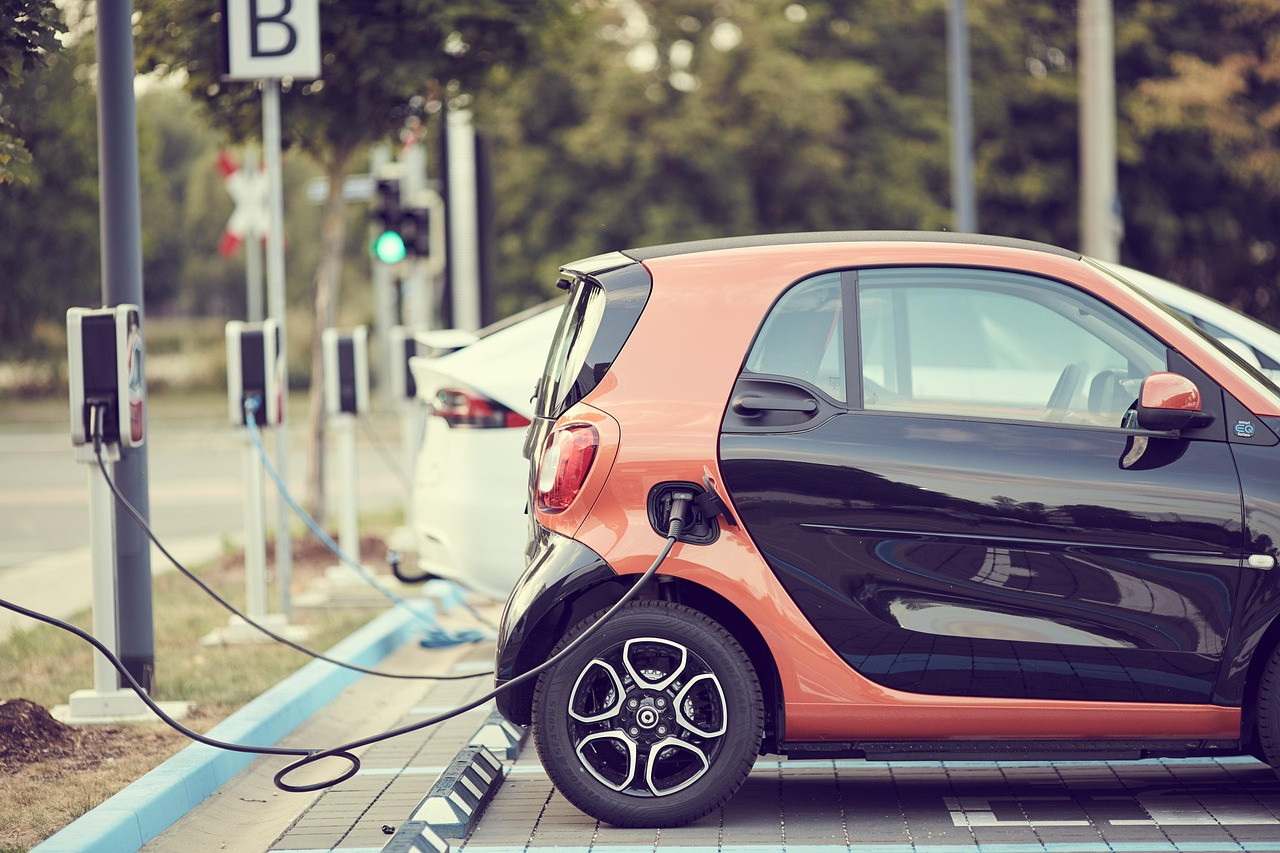
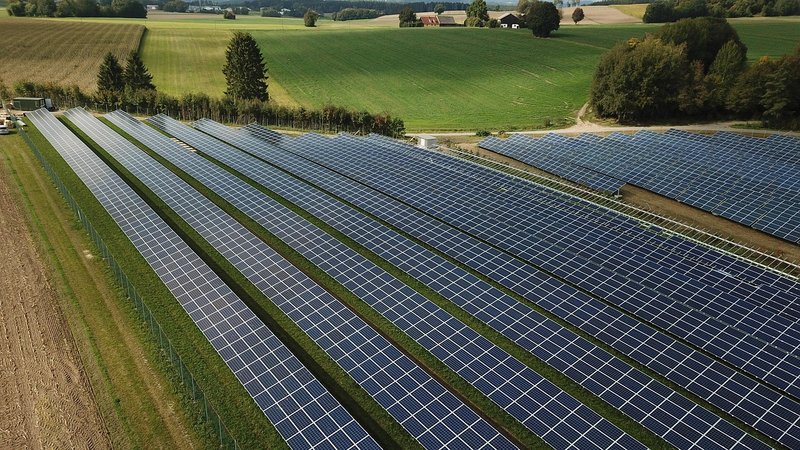
Representative image: andreas160578 / Pixabay
The Union Cabinet approved a Rs 2,814 crore scheme on 4 November 2026 to fund 30% of the cost of two lithium and two nickel processing plants.
What Happened
The Union Cabinet on Wednesday, 4 November 2026 approved a Rs 2,814 crore scheme to help companies build large plants in India for processing lithium and nickel, two minerals used in electric vehicle batteries and energy storage. The scheme will give a capital subsidy of 30% of eligible investment to four plants, two for lithium and two for nickel, over five years from 2026-27 to 2030-31. Support is capped at Rs 500 crore for each lithium plant and Rs 900 crore for each nickel plant, and the nickel plants will also recover cobalt as a by-product. Union Minister Ashwini Vaishnaw announced the decision at the Cabinet briefing.
Key Facts
- Scheme: capital expenditure support for domestic lithium and nickel processing, approved by the Union Cabinet on 4 November 2026.
- Outlay: Rs 2,814 crore over five years, 2026-27 to 2030-31.
- Plants: four in total, two lithium and two nickel processing plants.
- Minimum size: 30 kilotonnes a year for each lithium plant and 50 kilotonnes for each nickel plant.
- Subsidy: 30% of eligible capital investment, capped at Rs 500 crore per lithium plant and Rs 900 crore per nickel plant.
- Output: high-purity lithium and nickel compounds from ores or intermediate products, with cobalt recovered from nickel processing.
- Selection: a two-stage evaluation of applicants.
- Reason given: India depends on imports for refined lithium, nickel and cobalt because domestic processing capacity is at a nascent stage.
Why It Matters
Electric vehicles, phones and grid batteries need lithium, nickel and cobalt in very pure chemical forms. According to the government, India's own capacity to turn ores into such battery-grade chemicals is still at a nascent stage, so it relies on imports of refined materials. That leaves Indian battery makers dependent on imported processed materials, and exposed to supply disruptions and price swings.
This scheme targets the middle of the supply chain: the processing plants. By paying 30% of the building cost, the government lowers the risk for companies that would otherwise hesitate to invest in a new and capital-heavy industry. It follows other recent Cabinet decisions on the battery supply chain, including a scheme for grid-scale energy storage approved at the same meeting.
For Indian businesses, the scheme opens a door for mining, chemicals and battery companies to move into refining. It also matters for MSMEs that supply equipment, chemicals and services to large plants, and for states that could host the projects. The minimum plant sizes mean only large investors can apply directly.
The scheme is small in money terms compared with the scale of the battery industry, and it supports only four plants. Its success will depend on whether companies can secure ore or intermediate supplies, and on how quickly the plants are built within the five-year window.
Peepals calculation: If all four plants reach their caps, support would total Rs 2,800 crore (2 × Rs 500 crore + 2 × Rs 900 crore), close to the scheme's Rs 2,814 crore outlay. Since the subsidy is 30% of eligible investment, reaching the cap would need eligible investment of about Rs 1,667 crore for a lithium plant (500 / 0.30) and Rs 3,000 crore for a nickel plant (900 / 0.30), or about Rs 9,333 crore across all four. Our calculation from the reported figures.
| Plant type | Number | Minimum capacity | Subsidy cap per plant |
|---|---|---|---|
| Lithium processing | 2 | 30 kilotonnes a year | Rs 500 crore |
| Nickel processing (with cobalt recovery) | 2 | 50 kilotonnes a year | Rs 900 crore |
Impact
Short-term: The government will invite applications and run the two-stage selection to choose the four beneficiaries.
Long-term: If the plants are built, India would produce battery-grade lithium and nickel compounds at home, reducing imports and supporting electric vehicle and storage manufacturing.
Who is affected: mining, chemical and battery companies, electric vehicle and storage manufacturers, MSME suppliers, and states that may host the plants.
Key Takeaway
The Cabinet approved a Rs 2,814 crore scheme on 4 November 2026 to subsidise 30% of the cost of two lithium and two nickel processing plants over five years.
Questions and Answers
What is the Rs 2,814 crore critical mineral processing scheme?
It is a scheme approved by the Union Cabinet on 4 November 2026 that pays a 30% capital subsidy to build two lithium and two nickel processing plants in India between 2026-27 and 2030-31.
How much subsidy can each plant get?
Up to Rs 500 crore for each lithium processing plant and up to Rs 900 crore for each nickel processing plant, at 30% of eligible investment.
What size must the plants be?
Each lithium plant must have at least 30 kilotonnes of yearly capacity and each nickel plant at least 50 kilotonnes.
Why does India need lithium and nickel processing plants?
According to the government, India depends on imports for refined lithium, nickel and cobalt because its own processing capacity is at a nascent stage. These materials are needed for batteries in electric vehicles and energy storage.
Disclaimer: Prepared by the Peepals newsroom from publicly available sources with AI assistance. Information is accurate to the best of our knowledge at the time of publication and may change. Images may be representative. Not professional advice. Report an error via our contact page.
By Siddharth Verma, Business CorrespondentCovers Business and more for Peepals Bharat. All stories by Siddharth Verma
Hanuman Ansh on SonyLIV from November 27: Rs 342 crore hit streams
Karnataka clears Rs 20,000 crore for roads, district-taluk links
Get the day's stories in your inbox
Peepals Weekly: the week decoded, free. One email a week, unsubscribe in one click.
Siddharth Verma is a pen name of the Peepals Global Editorial Team, which researches, fact-checks and publishes every story. The portrait is an illustration.