
Odisha plans India's first Agri-PV policy, targets 1 GW by 2030
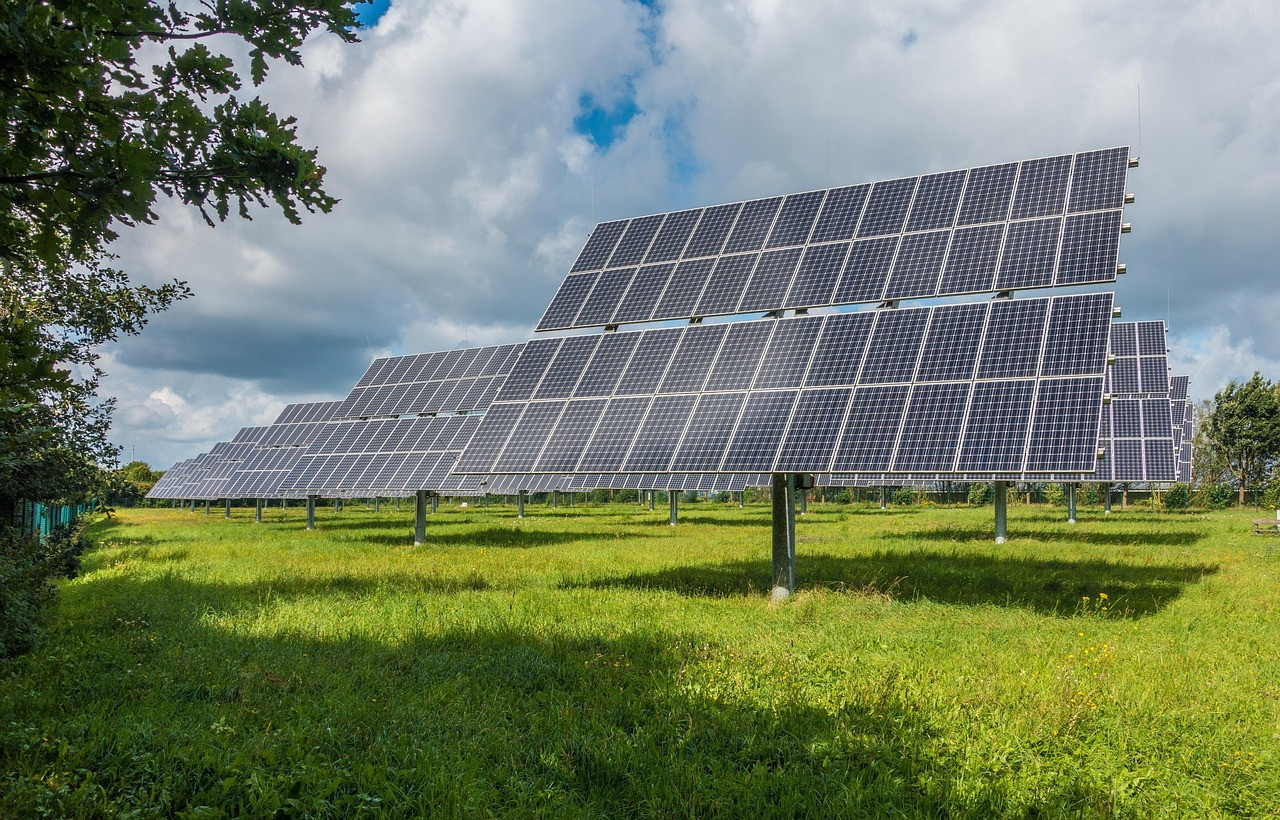
Representative image: mrganso / Pixabay
Odisha announced on 22 October 2026 a proposed Agri-PV policy targeting 1 GW of solar-over-crops capacity by 2030, with 90% of each site kept under cultivation.
What Happened
Odisha plans to become the first Indian state with a dedicated policy for agrivoltaics, the practice of growing crops and generating solar power on the same piece of farmland. Deputy Chief Minister Kanak Vardhan Singh Deo announced the proposed Agri-PV Policy 2026 on 22 October 2026 at the 7th Agrivoltaics World Conference at Bharat Mandapam in New Delhi. The state is aiming for 1 gigawatt (GW) of agrivoltaic capacity by 2030, and says at least 90% of every project site must stay under active cultivation. The policy is still being finalised and has not yet been notified.
Key Facts
- Announced: 22 October 2026, by Deputy Chief Minister Kanak Vardhan Singh Deo, at the 7th Agrivoltaics World Conference in New Delhi (21 to 23 October).
- Target: 1 GW of agrivoltaic capacity across Odisha by 2030.
- Farmland safeguard: at least 90% of each project site to remain under active cultivation; the land keeps its agricultural classification and stays eligible for crop insurance.
- Two models for farmers: own the solar system and earn from both crops and electricity, or lease land to a solar developer for an assured long-term rent.
- For developers: 25-year power purchase agreements with GRIDCO, the state's power trading utility, with guaranteed purchase of the power, grid connection and open-access rights.
- Linked support: the state says farmer onboarding will be tied to help with drip irrigation, cold storage, solar pumps and agro-processing.
- Starting point: a 1 megawatt (MW) Agri-PV project is already running in the state, and a pilot is being run with Nanyang Technological University, Singapore.
Why It Matters
Agrivoltaics, often shortened to Agri-PV, means mounting solar panels high above a field, or in spaced rows, so that crops can still be grown and harvested underneath or between them. The panels produce electricity, and the partial shade they give can reduce water loss from the soil. For India, the idea answers a real conflict. The country needs large areas of land for solar power to meet its clean-energy goals, while farmland is scarce and politically sensitive. Ground-mounted solar parks usually take land out of farming altogether. Agri-PV tries to keep the land producing food while it also produces power.
For a farm household, the business case is a second, steadier income. Crop income swings with rainfall, pests and mandi prices. Electricity sold under a 25-year contract, or a fixed lease rent from a developer, does not. Odisha's offer of guaranteed purchase by GRIDCO is meant to reduce the main risk developers face, which is whether anyone will buy the power at an agreed price for the life of the project. The 90% cultivation rule and the promise that the land stays classified as agricultural are aimed at the main worry of farmers and officials: that solar projects could quietly turn into land conversion.
The state says it has about 40.7 lakh acres of cropland suitable for such projects and 47.7 lakh acres of fallow land. Fallow land is land left uncultivated for a season or longer, and putting part of it to use could bring income from plots that now earn nothing.
There are open questions. The full policy text, tariffs and subsidy amounts have not yet been published, and the terms may change before notification. Critics have also pointed out that some high-yield paddy varieties, Odisha's main crop, may lose output under constant partial shade. Farmers might then have to switch to shade-tolerant crops such as turmeric or ginger, which have smaller and less certain markets. How the lease rents are set, and who bears the cost if crops under the panels do poorly, will decide whether small farmers gain.
| Option for farmer | How income is earned |
|---|---|
| Own the system | Crop sales plus sale of solar power |
| Lease land to developer | Crop sales plus assured long-term lease rent |
| Developer side | 25-year power sale to GRIDCO with guaranteed offtake |
Impact
Short-term: Solar developers, equipment makers and farm-service firms will watch for the final policy text and tariff terms. Farmer producer organisations and cooperatives in Odisha may start exploring pilot projects on members' land.
Long-term: If the 1 GW target is met under the 90% cultivation rule, Odisha could add a sizeable clean-power source without taking land out of farming, and farm households could earn a second, stable income. Other states could use the policy as a model. If shade cuts paddy yields or lease terms are weak, the gains could flow mainly to developers.
Who is affected: Farmers and landowners in Odisha, especially those with fallow or low-yield plots; farmer producer organisations and cooperatives; solar developers and equipment suppliers; GRIDCO and the state's power consumers; and rural businesses in irrigation, cold storage and agro-processing.
Key Takeaway
Odisha has announced a proposed Agri-PV Policy 2026 that targets 1 GW of solar-plus-crop capacity by 2030, requires 90% of each site to stay farmed, and offers developers 25-year power contracts with GRIDCO.
Questions and Answers
What is Odisha's Agri-PV Policy 2026?
It is a proposed state policy, announced on 22 October 2026, to encourage agrivoltaic projects, where solar panels and crops share the same farmland. It targets 1 GW of capacity by 2030 and is still being finalised.
Will farmers lose their land or crop insurance under Agri-PV?
According to the state, no. At least 90% of each project site must stay under active cultivation, the land keeps its agricultural classification, and it remains eligible for crop insurance.
How can a farmer earn money from an Agri-PV project in Odisha?
A farmer can either own the solar system and earn from both crops and electricity sales, or lease the land to a solar developer for an assured long-term rent while continuing to farm it.
What are the risks of agrivoltaics for paddy farmers?
Critics say some high-yield paddy varieties may lose output under constant partial shade, which could push farmers towards shade-tolerant crops such as turmeric or ginger that have less certain markets.
Disclaimer: Prepared by the Peepals newsroom from publicly available sources with AI assistance. Information is accurate to the best of our knowledge at the time of publication and may change. Images may be representative. Not professional advice. Report an error via our contact page.
Sourced and fact-checked by the Peepals Global Editorial Team
NSE IPO debut: Fusion CX lists at Rs 305, 5.5% above issue price
Pine Labs, WEBXPAY let Sri Lankan merchants accept UPI and Indian cards
Reported, fact-checked and published by the Peepals Global Editorial Team.