
Punjab farmers buy 21,019 stubble machines; Super Seeders make up 14,274
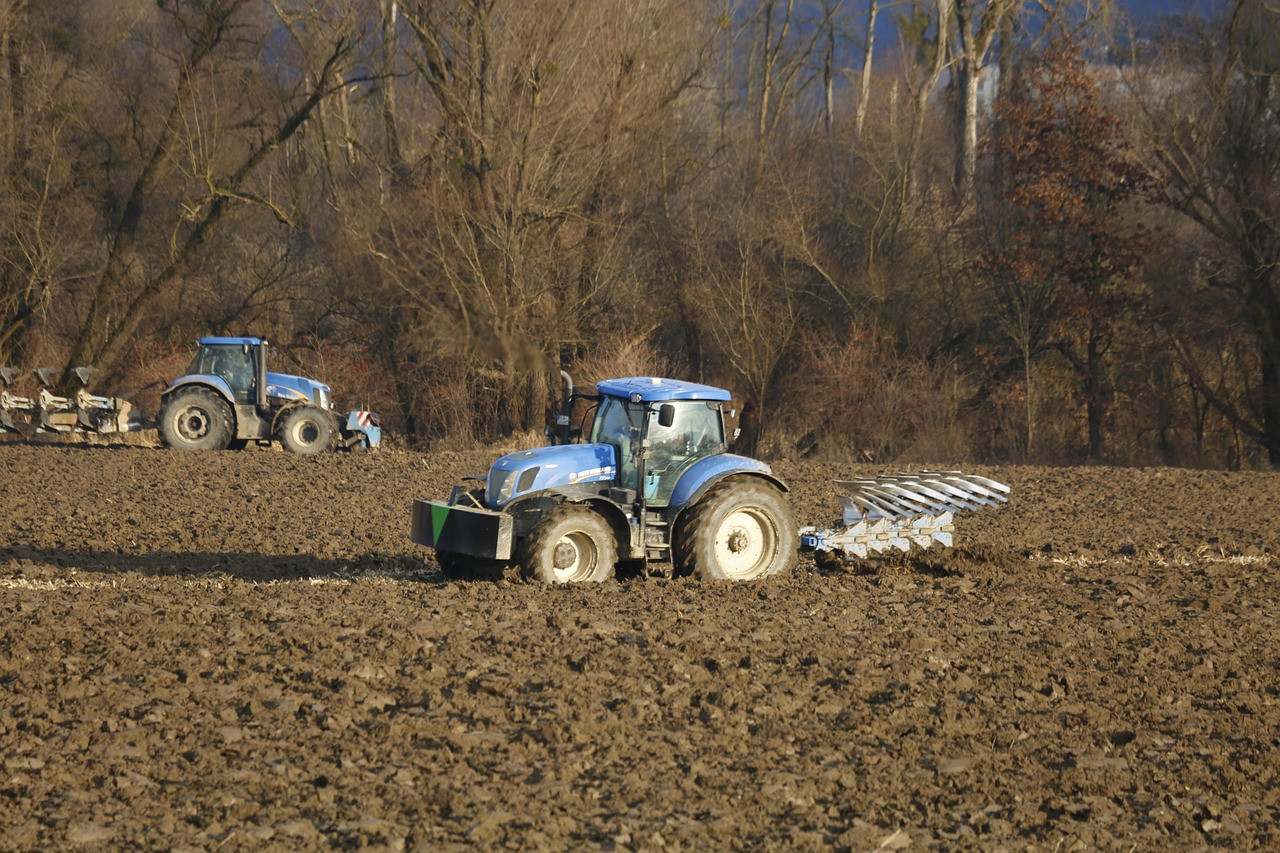
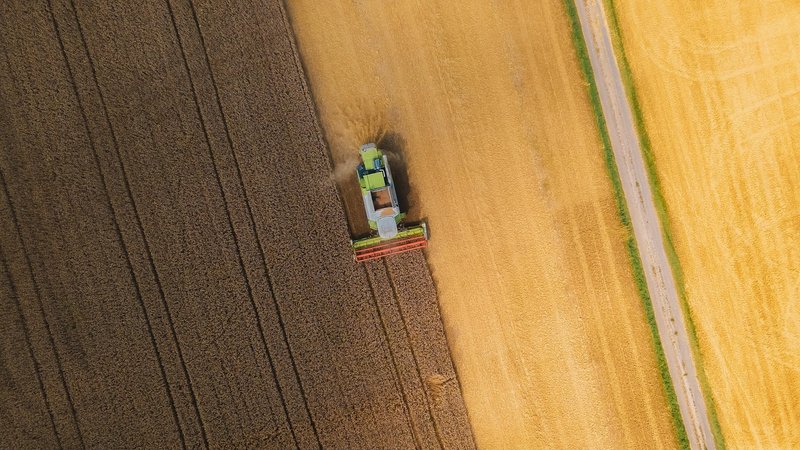
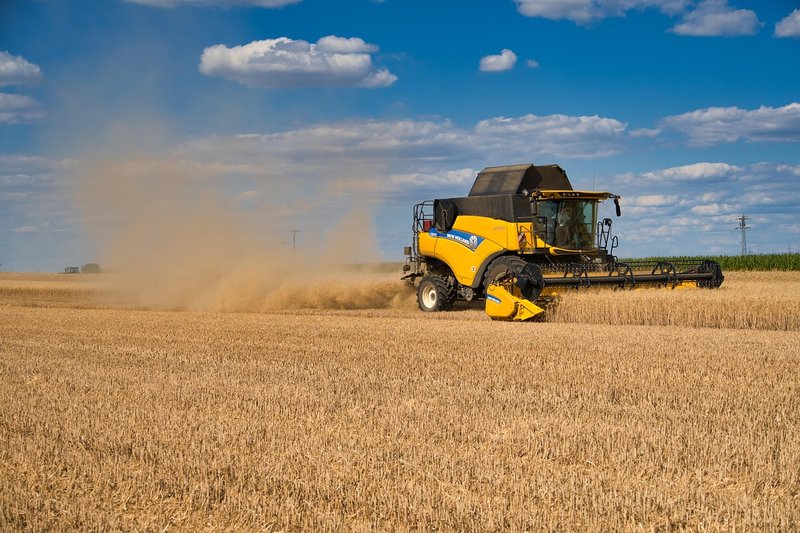
Representative image: schauhi / Pixabay
Punjab farmers have bought 21,019 subsidised crop residue machines this season, 14,274 of them Super Seeders, the state said on October 21, 2026.
What Happened
Farmers in Punjab have bought 21,019 crop residue management (CRM) machines so far this season, the state's Agriculture Minister Gurmeet Singh Khudian said on Wednesday, October 21, 2026. The Super Seeder, a tractor-drawn machine that shreds paddy straw, works it into the soil and sows wheat in a single pass, accounts for 14,274 of them. The figures come as the paddy harvest peaks and the state tries to keep farm fires down; the Punjab Pollution Control Board had recorded 404 stubble-burning incidents by Tuesday, October 20.
Key Facts
- Total CRM machines bought this season: 21,019, according to the state agriculture department.
- Super Seeders lead with 14,274 units, followed by mulchers (1,721), hydraulic reversible mould-board ploughs (1,346), zero-till drills (1,123), balers (927) and straw rakes (874).
- Individual farmers get a 50% subsidy on a machine; Custom Hiring Centres, farmer producer organisations (FPOs), cooperative societies and panchayats get 80%.
- The state has a Rs 576-crore action plan for crop residue management in 2026-27.
- State figures show stubble-burning cases fell from 49,922 in 2022 to 5,114 in 2025, a drop of about 90%.
- By October 20, 2026, the board had logged 404 incidents this season, with Tarn Taran (198) and Amritsar (117) the worst hit; FIRs were registered in 39 cases.
Why It Matters
Crop residue is one of the costliest problems in the rural economy of north India. After the paddy harvest, farmers have only a short window to clear their fields and sow wheat on time. Burning the straw is fast and cheap, but it damages soil, wastes nutrients and adds heavily to the smoke that covers Punjab, Haryana and Delhi every October and November. The alternative is machinery, and machinery costs money. That is why the subsidy structure matters as much as the headline number.
The split in the figures tells a business story. About two in every three machines bought this year is a Super Seeder, which chops the straw and sows the next crop in one pass. For a farmer, it removes the need to clear the field at all, saving both time and a separate tillage cost. Balers, which pack straw into bales that can be carried off the farm and sold, make up fewer than 1,000 units. In other words, most farmers are choosing to work the straw back into the soil rather than sell it, which says something about how thin the market for paddy straw still is in many districts.
The higher 80% subsidy for Custom Hiring Centres, FPOs and cooperatives is aimed at small and marginal farmers, who cannot justify buying an expensive machine for a few acres. These centres rent machines out by the hour or by the acre, turning residue management into a small rural service business. Their reach in a given village often decides whether a small farmer can avoid burning.
At the national level, the Centre is also pushing the message. On Thursday, October 22, Union Agriculture Minister Shivraj Singh Chouhan told farmers in Karnal, Haryana, that managed residue could earn them Rs 200 to 250 a quintal, as he opened the "Khet Bachao Abhiyan - Rabi 2026" campaign, which runs to November 30.
| Machine type | Units bought this season |
|---|---|
| Super Seeder | 14,274 |
| Mulcher | 1,721 |
| Hydraulic reversible MB plough | 1,346 |
| Zero-till drill | 1,123 |
| Baler | 927 |
Impact
Short-term: More machines in the field should mean fewer fires during the peak harvest weeks of late October and early November. Dealers and manufacturers of farm equipment in Punjab see higher sales, and Custom Hiring Centres get more rental demand. The early fire count of 404 shows the problem has not gone away, with the border districts of Tarn Taran and Amritsar well ahead of the rest.
Long-term: If the trend from 49,922 cases in 2022 to 5,114 in 2025 holds, Punjab could make residue management a normal part of farming rather than a seasonal crisis. A wider market for baled straw would give farmers a source of income from what is now largely a waste product. Soil health should also benefit as straw is returned to fields instead of burned.
Who is affected: Paddy farmers in Punjab, especially small and marginal holders who rely on rented machines; Custom Hiring Centres, FPOs and cooperative societies; farm-machinery makers and dealers; and residents of Punjab, Haryana and Delhi whose winter air quality depends on how many fields are burned.
Key Takeaway
Punjab farmers have bought 21,019 subsidised residue machines this season, two-thirds of them Super Seeders, but 404 fires by October 20 show the state still has work to do as the harvest peaks.
Questions and Answers
How many crop residue management machines have Punjab farmers bought in 2026?
According to Punjab Agriculture Minister Gurmeet Singh Khudian, farmers had bought 21,019 crop residue management machines this season as of October 21, 2026, with Super Seeders making up 14,274 of them.
What subsidy does Punjab give on stubble management machines?
Individual farmers get a 50% subsidy on approved crop residue machines. Custom Hiring Centres, farmer producer organisations, cooperative societies and panchayats get 80%, so that they can rent machines to small farmers.
How many stubble-burning cases has Punjab recorded so far this season?
The Punjab Pollution Control Board had recorded 404 incidents by October 20, 2026. Tarn Taran had 198 and Amritsar 117, and FIRs had been registered in 39 cases.
What is a Super Seeder and why is it popular?
A Super Seeder is a tractor-drawn machine that shreds the paddy straw left after harvest, mixes it into the soil and sows wheat in the same pass. Farmers favour it because it saves the time and cost of clearing the field before the next crop.
Disclaimer: Prepared by the Peepals newsroom from publicly available sources with AI assistance. Information is accurate to the best of our knowledge at the time of publication and may change. Images may be representative. Not professional advice. Report an error via our contact page.
Sourced and fact-checked by the Peepals Global Editorial Team
Reported, fact-checked and published by the Peepals Global Editorial Team.