
World Bank sees India's poverty rate falling to 12.1% by 2028, but slowing
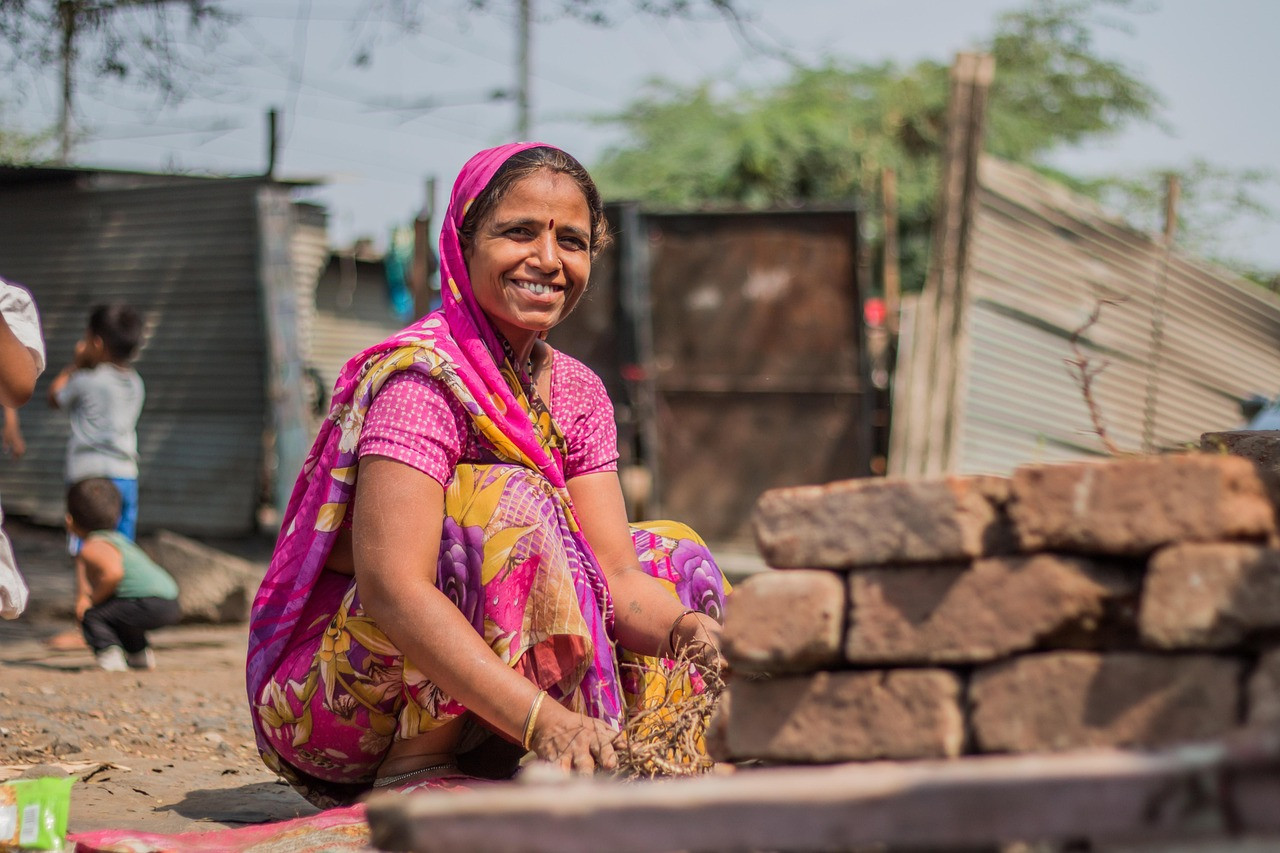
Representative image: tortugamediaservices / Pixabay
World Bank brief of 12 October 2026 projects India's poverty at the US$4.20 line falling from 14.2% in 2026 to 12.1% in 2028, with the decline slowing.
What Happened
The World Bank expects the share of Indians living below its lower-middle-income poverty line of US$4.20 a day to fall from an estimated 14.2 per cent in 2026 to 12.1 per cent by 2028, according to its latest Poverty and Equity Brief for India, reported on Monday, 12 October 2026. The brief also says the pace of decline is expected to slow. It credits the large fall in poverty over the past decade to strong consumption growth, more people in work, particularly women, and wider social transfers such as food subsidies, while cautioning that part of the measured improvement may come from changes in how household spending is surveyed.
Key Facts
- Poverty at the US$4.20-a-day line is projected at 14.2 per cent in 2026 and 12.1 per cent in 2028.
- On the same line, the poverty rate fell from 57.7 per cent in 2011 to 16.1 per cent in 2023, which the Bank estimates lifted about 496 million people out of poverty.
- Extreme poverty, measured at US$3.00 a day, fell from 27.1 per cent to 2.6 per cent over 2011 to 2023.
- In 2023, the rate at the US$4.20 line was 19.3 per cent in rural areas against 8.6 per cent in towns and cities.
- Employment grew by about 134 million people between 2017 and 2023, according to the brief.
- About 80 per cent of Indians lived below the upper-middle-income line of US$8.30 a day in 2023.
- The Bank warns that household surveys may understate inequality because they do not fully capture spending by richer households.
Why It Matters
The World Bank's poverty lines are the yardstick most often used to compare countries, and its India numbers are closely watched in policy debates at home. The brief confirms a story that official data have pointed to for some time: far fewer Indians live in extreme deprivation than a decade ago. At the US$3.00 line, the share is now in low single digits. That is a real change in the lives of hundreds of millions of people and reflects higher incomes, more jobs and a large public food distribution system.
But the brief also carries two warnings. The first is that progress is slowing. A drop of about two percentage points over two years is modest compared with the steep fall between 2011 and 2023, which suggests that the easier gains have been made and that the remaining poor are harder to reach, many of them in rural areas where the rate is more than double the urban figure. The second warning is about measurement. The Bank says the estimates may reflect both genuine gains in living standards and changes in how household consumption is measured, so the size of the fall should be read with some care.
The figure at the higher US$8.30 line is a reminder of how close to the edge many families remain. If about four in five Indians were below that level in 2023, a large share of the population has moved out of extreme poverty but not far beyond it. For such households, a spell of high food inflation, a poor monsoon or a job loss can quickly wipe out gains. That is relevant now, with food prices rising sharply in recent months.
| Poverty line (per person per day) | Share of Indians below it | Year |
|---|---|---|
| US$3.00 (extreme) | 2.6 per cent | 2023 |
| US$4.20 (lower-middle income) | 16.1 per cent | 2023 |
| US$4.20 (projection) | 12.1 per cent | 2028 |
| US$8.30 (upper-middle income) | about 80 per cent | 2023 |
Impact
Short-term: The brief will feed into debates on welfare spending, food subsidies and job creation, and is likely to be cited by both the government and its critics.
Long-term: If the projection holds, India will keep reducing poverty, but at a slower rate, putting more weight on rural jobs, women's work and social protection to reach those left behind.
Who is affected: Low-income rural households, policymakers designing welfare schemes, economists tracking living standards, and investors assessing the depth of India's consumer market.
Key Takeaway
The World Bank sees Indian poverty at the US$4.20 line falling to 12.1 per cent by 2028, but says the decline is slowing and that most Indians still live on less than US$8.30 a day.
Questions and Answers
What does the World Bank expect for India's poverty rate?
It projects that the share of people living on less than US$4.20 a day will fall from about 14.2 per cent in 2026 to 12.1 per cent in 2028, with the rate of decline slowing.
How much has poverty fallen in the past decade?
At the US$4.20 line, poverty fell from 57.7 per cent in 2011 to 16.1 per cent in 2023, which the Bank estimates lifted about 496 million people out of poverty. Extreme poverty at US$3.00 a day fell from 27.1 per cent to 2.6 per cent.
Why does the Bank urge caution about the numbers?
It says the estimates may reflect both real gains and changes in how consumption is measured, and that surveys may understate inequality because they miss part of the spending of richer households.
Is poverty the same in villages and cities?
No. In 2023 the rate at the US$4.20 line was 19.3 per cent in rural areas and 8.6 per cent in urban areas, according to the brief.
Disclaimer: Prepared by the Peepals newsroom from publicly available sources with AI assistance. Information is accurate to the best of our knowledge at the time of publication and may change. Images may be representative. Not professional advice. Report an error via our contact page.
Sourced and fact-checked by the Peepals Global Editorial Team
Reported, fact-checked and published by the Peepals Global Editorial Team.