
SBI chief expects 50 bps RBI rate hike in December, then pause
 By Neha KapoorEconomy Correspondent, Peepals Business

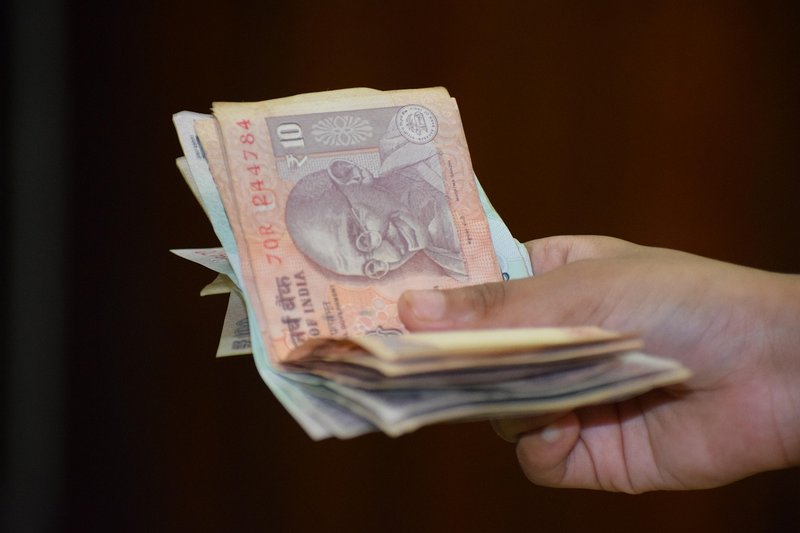
File photo: Joegoauk Goa (CC BY-SA 2.0), via Wikimedia Commons
SBI Chairman C.S. Setty said on October 26, 2026 the RBI may raise the repo rate 50 bps to 6% in December, then pause until March 2027.
What Happened
State Bank of India Chairman C.S. Setty said on Monday, October 26, 2026, that the Reserve Bank of India could raise its policy repo rate by another 50 basis points at its December meeting and then hold rates until March 31, 2027. Speaking at a banking and financial services summit in Mumbai, he said one or two more rate hikes would likely weigh on borrowing for discretionary consumption, but that he did not expect credit demand for productive activities such as business expansion and investment to weaken.
Key Facts
- The RBI's Monetary Policy Committee unanimously raised the repo rate by 25 basis points to 5.50% in October 2026, its first increase since 2023, and changed its stance to "calibrated tightening".
- Setty said a 50 basis point hike in December was likely, followed by a pause until March 31, 2027. A basis point is one-hundredth of a percentage point, so 50 basis points equals 0.5 percentage point.
- A 50 basis point move would take the repo rate from 5.50% to 6.00%.
- SBI's own economics team said in a report dated October 21 that it continues to expect a 50 basis point tightening in December, either as a plain repo hike or as a 25 basis point repo hike combined with a wider gap between the RBI's lending and deposit windows.
- The same SBI Research report expects inflation to peak at around 6.8% in November 2026.
- Retail inflation reached a 21-month high of 5.54% in September, while wholesale inflation rose to 11.39%, according to official data released earlier this month.
- Setty has said bank credit growth of 18% to 19% is coming off a low base, and that SBI believes credit should grow 2 to 3 percentage points faster than nominal GDP.
Why It Matters
The repo rate is the rate at which the RBI lends short-term money to banks. When it rises, banks usually pay more for funds and pass part of that cost on to borrowers through higher loan rates, especially on loans linked to external benchmarks such as many home loans.
The RBI has said its next decisions will be either a hike or a pause, depending on how inflation and growth develop. Price pressures have broadened. High crude oil prices, costlier food and a weaker rupee have pushed both retail and wholesale inflation up over recent months. The central bank's own forecast for inflation in the year ending March 2027 is 5.2%, above its medium-term target of 4%. That gap is the main reason bankers and economists now expect further tightening rather than relief.
Setty's distinction between types of credit is important for businesses. Loans for cars, consumer goods and personal spending tend to respond quickly to higher rates because households can delay such purchases. Loans for factories, working capital and infrastructure depend more on order books and growth prospects. Setty pointed to the projected growth rate of 7.1% for the current year as support for continued lending to productive sectors.
SBI Research laid out two routes the RBI could take. The first is a straight 50 basis point increase to 6.00%, with the marginal standing facility at 6.25% and the standing deposit facility at 5.75%. The second is a 25 basis point repo hike to 5.75% combined with an uneven widening of the liquidity corridor, which would leave the marginal standing facility at 6.25% and the standing deposit facility at 5.50%. The standing deposit facility is what banks earn on surplus cash parked with the RBI; the marginal standing facility is its emergency overnight lending rate.
| Scenario | Repo rate | Marginal standing facility | Standing deposit facility |
|---|---|---|---|
| Plain 50 bps hike | 6.00% | 6.25% | 5.75% |
| 25 bps hike plus wider corridor | 5.75% | 6.25% | 5.50% |
Impact
Short-term: Borrowers with floating-rate loans could see higher interest costs if the RBI raises rates in December. Earlier this month, Setty said deposit rates were likely to stay unchanged for two to three months because the banking system holds surplus cash, so savers may not see an immediate gain. Banks may review deposit rates later if loan growth stays strong.
Long-term: A repo rate near 6% would make borrowing for consumer purchases costlier into 2027 and could slow demand in rate-sensitive sectors such as autos, consumer durables and unsecured personal loans. If Setty's view proves right, lending for investment would hold up better, which matters for capital spending and jobs.
Who is affected: Home, car and personal loan borrowers; small businesses that rely on bank credit; depositors waiting for higher fixed deposit rates; and banks whose margins depend on the gap between what they pay depositors and what they charge borrowers.
Key Takeaway
SBI's chairman expects the RBI to raise the repo rate by a further 50 basis points to 6% in December and then pause until March 2027, a move he said would hit consumption loans more than business credit.
Questions and Answers
What did the SBI chairman say about the RBI rate hike in December?
On October 26, 2026, SBI Chairman C.S. Setty said the RBI could raise the repo rate by 50 basis points in December 2026, taking it from 5.50% to 6.00%, and then keep rates unchanged until March 31, 2027.
Has the RBI announced a December rate hike?
No. The SBI chairman's comment and the SBI Research report are forecasts. The RBI raised the repo rate by 25 basis points to 5.50% in October 2026 and has said its next move will be either a hike or a pause, depending on inflation and growth data.
Will home loan EMIs rise if the repo rate goes up?
Loans linked to the repo rate or another external benchmark usually reset upward after a hike, which raises either the monthly instalment or the loan tenure. The exact change depends on each bank's terms and when the loan's rate resets.
Disclaimer: Prepared by the Peepals newsroom from publicly available sources with AI assistance. Information is accurate to the best of our knowledge at the time of publication and may change. Images may be representative. Not professional advice. Report an error via our contact page.
By Neha Kapoor, Economy CorrespondentCovers Economy and more for Peepals Business. All stories by Neha Kapoor
IndusInd Bank returns to Q2 profit as provisions fall; shares in focus
Shriram Finance share hits 11-month low despite 59% Q2 profit jump
Neha Kapoor is a pen name of the Peepals Global Editorial Team, which researches, fact-checks and publishes every story. The portrait is an illustration.