
UK Budget: Healey to lift pensioners' personal allowance to £13,036
 By Neha KapoorEconomy Correspondent, Peepals Business
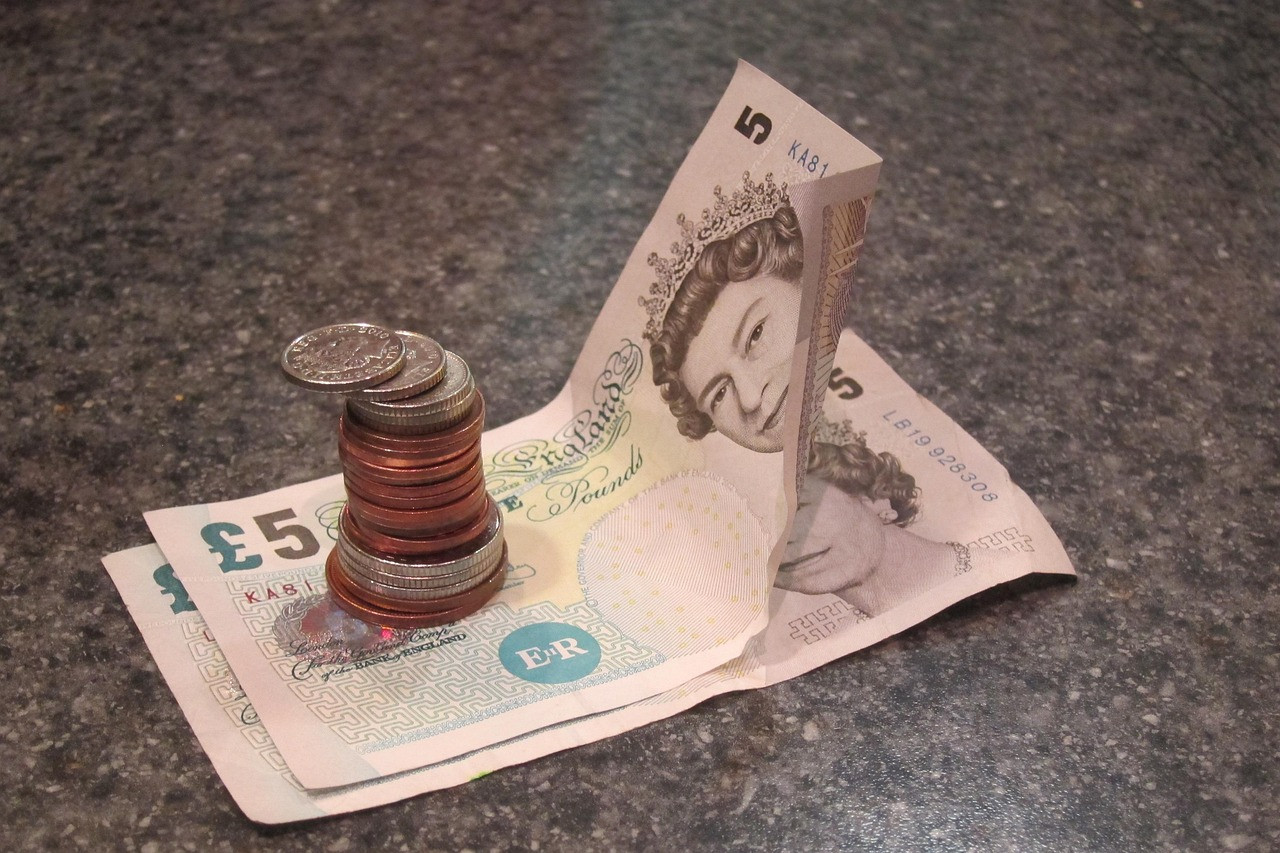
Representative image: DerDani / Pixabay
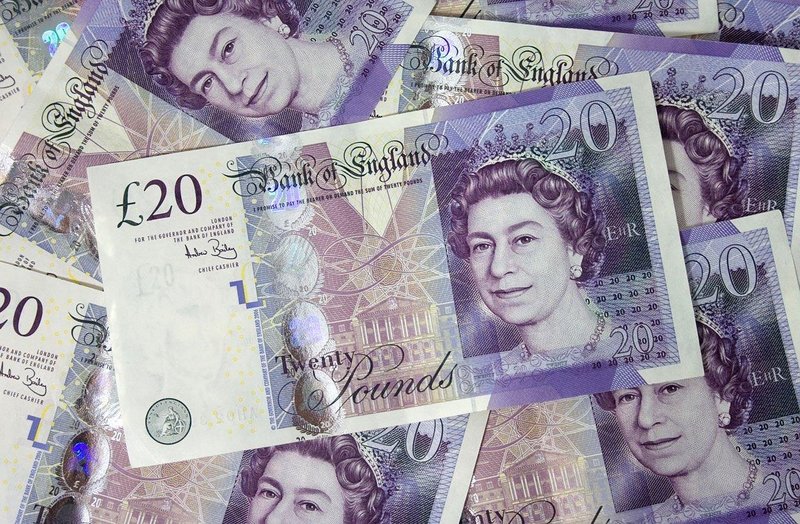
UK Chancellor John Healey is set to use the October 28, 2026 Budget to raise the tax-free allowance for low-income pensioners to £13,036, reports say.
What Happened
UK Chancellor John Healey is expected to use his Budget on Wednesday, October 28, 2026 to create a higher tax-free allowance for pensioners on low incomes, according to reports published on October 26. The new allowance would be set at £13,036 a year, the same as the full new state pension from next April, so that people whose only income is the state pension do not have to pay income tax. The Treasury has not yet confirmed the details, which are due to be set out in the Budget.
Key Facts
- Budget date: Wednesday, October 28, 2026.
- Proposed pensioner allowance: £13,036 a year, matching the full new state pension from April 2027, according to reports.
- The standard personal allowance, the amount anyone can earn before paying income tax, is £12,570 and has been frozen since 2021; it is due to stay frozen until 2031.
- The full new state pension is set to rise by £489 to £13,036 a year from April, a rise of 3.9% in line with wage growth.
- Cost: about £200 million a year by 2030, according to a newspaper report cited by other outlets.
- Pensioners with private pensions or other income above the allowance would still pay income tax.
Why It Matters
The UK has a "triple lock" on the state pension, which means it rises each year by whichever is highest: inflation, average earnings growth or 2.5%. At the same time, the personal allowance has been frozen for years. Because of those two policies, the full state pension is about to rise above the tax-free limit. Without a change, pensioners with no other income would owe a small amount of income tax on their state pension alone.
The government has promised that people whose only income is the state pension will not be taxed. The reported plan meets that promise by creating a separate, higher allowance for this group, rather than raising the personal allowance for everyone. A targeted change of this kind costs far less than raising the allowance for every taxpayer; it is put at about £200 million a year by 2030.
The trade-off is fairness and complexity. People of working age on low pay will still pay tax above £12,570, while a pensioner with the same income from the state pension would not. Pensioners with even small private pensions may also find that the extra allowance does not help them much, since their total income will still go above the limit. How the new allowance is applied, and how tax authorities will know who qualifies, is a detail the Budget will need to explain.
For businesses and markets, the measure is small. The bigger Budget questions are how the government will balance its books, and what other tax changes it will announce.
| Item | Figure |
|---|---|
| Standard personal allowance | £12,570 (frozen to 2031) |
| Full new state pension from April 2027 | £13,036 a year |
| Rise in state pension | £489, or 3.9% |
| Reported cost of pensioner allowance | about £200 million a year by 2030 |
Impact
Short-term: If confirmed on October 28, pensioners who live only on the full new state pension would avoid an income tax bill when the pension rises in April 2027.
Long-term: Reports say the pensioner allowance would rise with the state pension over this Parliament, which ties its cost to the triple lock. The gap between pensioners' and workers' tax-free allowances could widen while the standard allowance stays frozen.
Who is affected: UK pensioners on low incomes, especially those relying only on the state pension; taxpayers and workers on low pay who keep the frozen £12,570 allowance; and HM Treasury, which must fund the change.
Key Takeaway
The UK Budget is set to protect pensioners who live only on the state pension from income tax by giving them a £13,036 allowance, if confirmed on October 28.
Questions and Answers
What is changing for UK pensioners' personal allowance in the Budget?
According to reports, Chancellor John Healey will create a new tax-free allowance of £13,036 for low-income pensioners, matching the full new state pension from April 2027. The Treasury is due to confirm details in the Budget on October 28, 2026.
Why is the change needed?
The full state pension is set to rise to £13,036 a year, above the frozen £12,570 personal allowance. Without a change, pensioners with no other income would start paying income tax.
Will all pensioners stop paying income tax?
No. Pensioners whose total income, including private pensions, is above the allowance will still pay income tax on the amount above it.
How much will it cost?
Reports put the cost at about £200 million a year by 2030.
Disclaimer: Prepared by the Peepals newsroom from publicly available sources with AI assistance. Information is accurate to the best of our knowledge at the time of publication and may change. Images may be representative. Not professional advice. Report an error via our contact page.
By Neha Kapoor, Economy CorrespondentCovers Economy and more for Peepals Business. All stories by Neha Kapoor
Dr Reddy's stock climbs as brokerages look past lenalidomide slump
Tata Communications to spend up to $450 million on AI fibre network
Neha Kapoor is a pen name of the Peepals Global Editorial Team, which researches, fact-checks and publishes every story. The portrait is an illustration.