
WPI inflation October 2026 hits 12.29% series high; fuel at 32.84%
 By Neha KapoorEconomy Correspondent, Peepals Business
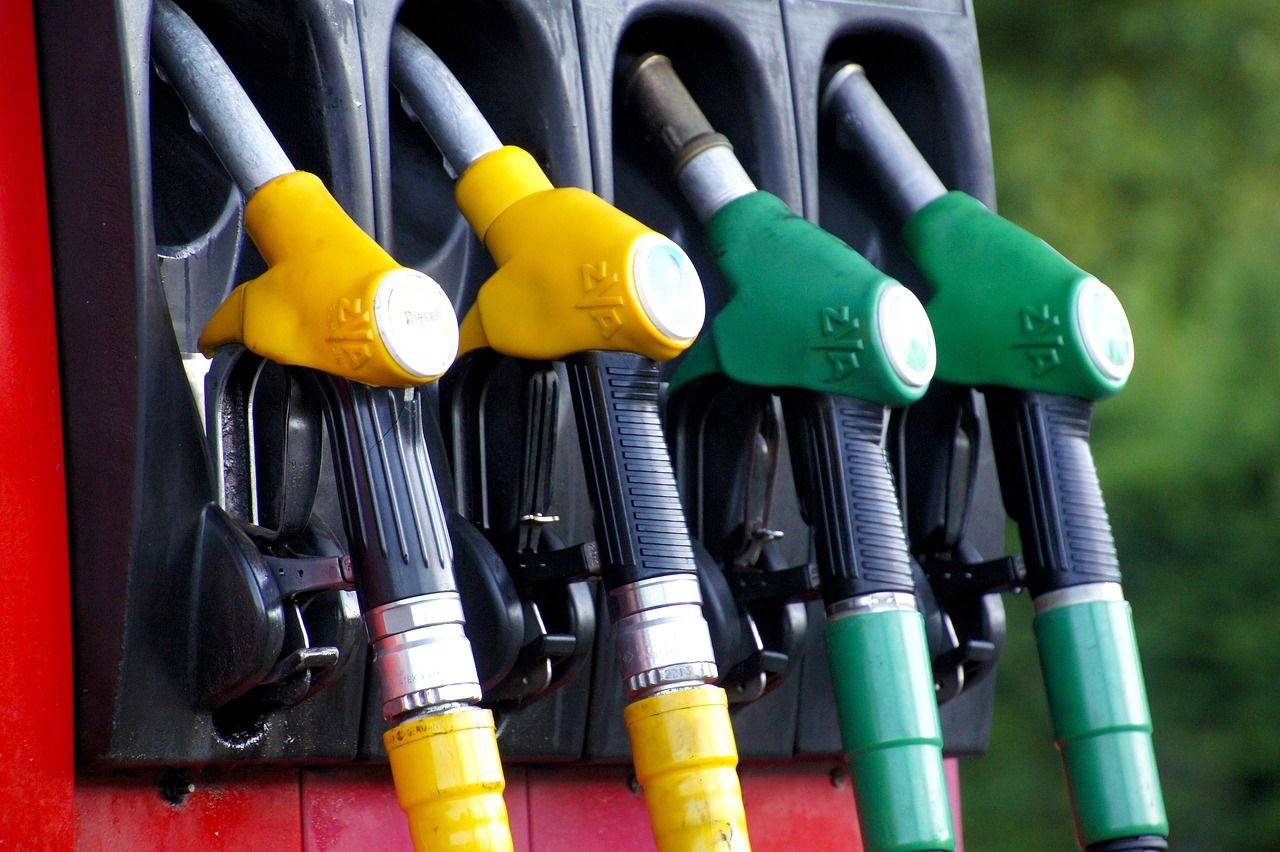
Representative image: IADE-Michoko / Pixabay
India's wholesale inflation rose to 12.29% in October 2026 from 11.39% in September, the highest in the current series, as fuel and power inflation hit 32.84%.
What Happened
India's annual rate of wholesale inflation rose to 12.29% in October 2026 from 11.39% in September, according to provisional data released by the Ministry of Commerce and Industry on Monday, 16 November 2026. It is the highest reading in the current Wholesale Price Index (WPI) series, which uses 2022-23 as its base year. The main driver was fuel and power, where wholesale inflation climbed to 32.84% from 25.85% a month earlier, while inflation in manufactured products eased slightly.
WPI inflation October 2026: key facts
- WPI inflation: 12.29% in October 2026, up from 11.39% in September (provisional).
- Fuel and power: 32.84%, up from 25.85%.
- Primary articles (farm goods and minerals): 9.24%, up from 8.67%.
- Non-food articles: 11.69%, up from 10.28%.
- Manufactured products: 9.54%, down from 9.76%.
- WPI Food Index: 8.58%, down from 8.66%.
- All-commodities index: 113.3 in October against 112.5 in September; average WPI inflation for April to October 2026-27 was 10.14%.
- The October data is based on an 81.1% weighted response rate and may be revised.
WPI inflation October 2026: why it matters
The Wholesale Price Index tracks the prices businesses pay when they buy goods in bulk, from crude oil and electricity to steel, chemicals and farm produce. It is different from retail inflation, measured by the Consumer Price Index (CPI), which tracks what households pay. Wholesale price rises usually reach shop shelves later, as companies pass on higher costs.
October's figure shows that energy is the main source of pressure. Fuel and power inflation of nearly 33% means companies are paying about a third more for fuel and electricity than a year ago. That raises costs for transport, factories and farms, and those costs tend to spread through the economy over the following months. Manufactured goods inflation easing slightly suggests that, so far, factories have not passed all of these costs on.
The reading also adds to the picture painted by retail data. Retail inflation was 6.09% in October, above the Reserve Bank of India's upper tolerance limit of 6%, according to official data released earlier. With wholesale inflation at a series high as well, the RBI faces pressure on two fronts when it next reviews interest rates.
The figure came in slightly below market estimates of about 12.40% but above rating agency ICRA's forecast of 11.8%. Economists quoted in reports expect cooling global energy prices to bring the November reading down, but that remains a forecast, not a fact.
For businesses, especially small manufacturers who buy fuel, power and raw materials but have little power to raise their own selling prices, a wholesale inflation rate above 12% means tighter margins. Households feel it later through prices of transport, electricity and goods.
Peepals calculation: the all-commodities index rose from 112.5 to 113.3 in a single month, an increase of about 0.71% (113.3 ÷ 112.5 = 1.0071). Fuel and power inflation rose by 6.99 percentage points in one month (32.84 minus 25.85), and the gap between wholesale inflation (12.29%) and retail inflation (6.09%) is now 6.2 percentage points. Our calculation from the reported figures.
| Group | September 2026 | October 2026 |
|---|---|---|
| All commodities (WPI inflation) | 11.39% | 12.29% |
| Fuel and power | 25.85% | 32.84% |
| Primary articles | 8.67% | 9.24% |
| Manufactured products | 9.76% | 9.54% |
| WPI Food Index | 8.66% | 8.58% |
Impact
Short-term: Companies that rely on fuel and power face higher costs, and some may raise prices in the coming months.
Long-term: If wholesale inflation stays high, it can feed into retail prices and influence the RBI's decisions on interest rates, which affect loan and deposit rates for households and businesses.
Who is affected: Manufacturers, transporters and small businesses buying fuel, power and raw materials; households through later price rises; and policymakers at the RBI and the government.
What to watch next: the WPI figure for November 2026, and the RBI's next monetary policy decision.
Key Takeaway
India's wholesale inflation rose to 12.29% in October 2026, the highest in the current WPI series, driven by a jump in fuel and power inflation to 32.84%.
Questions and Answers
What was India's WPI inflation in October 2026?
Wholesale inflation was 12.29% in October 2026, up from 11.39% in September, according to provisional data released on 16 November 2026.
Why did wholesale inflation rise in October 2026?
The main reason was fuel and power, where wholesale inflation rose to 32.84% from 25.85%. Primary articles also rose, while manufactured products and food eased slightly.
What is the difference between WPI and CPI inflation?
WPI measures prices businesses pay for goods in bulk, while CPI measures prices households pay at retail. Retail (CPI) inflation was 6.09% in October 2026.
Is the October WPI figure final?
No. It is provisional, based on an 81.1% weighted response rate, and can be revised later.
Disclaimer: Prepared by the Peepals newsroom from publicly available sources with AI assistance. Information is accurate to the best of our knowledge at the time of publication and may change. Images may be representative. Not professional advice. Report an error via our contact page.
By Neha Kapoor, Economy CorrespondentCovers Economy and more for Peepals Business. All stories by Neha Kapoor
Get the day's stories in your inbox
Peepals Weekly: the week decoded, free. One email a week, unsubscribe in one click.
Neha Kapoor is a pen name of the Peepals Global Editorial Team, which researches, fact-checks and publishes every story. The portrait is an illustration.
Responsible for this story: the Peepals Global Editorial Team, led by editor Prashant Sonar. How we report