
Iran war cost rises to $47.1 billion, Pentagon tells Congress
 By Rohan SalujaGeopolitics Editor, Peepals Global
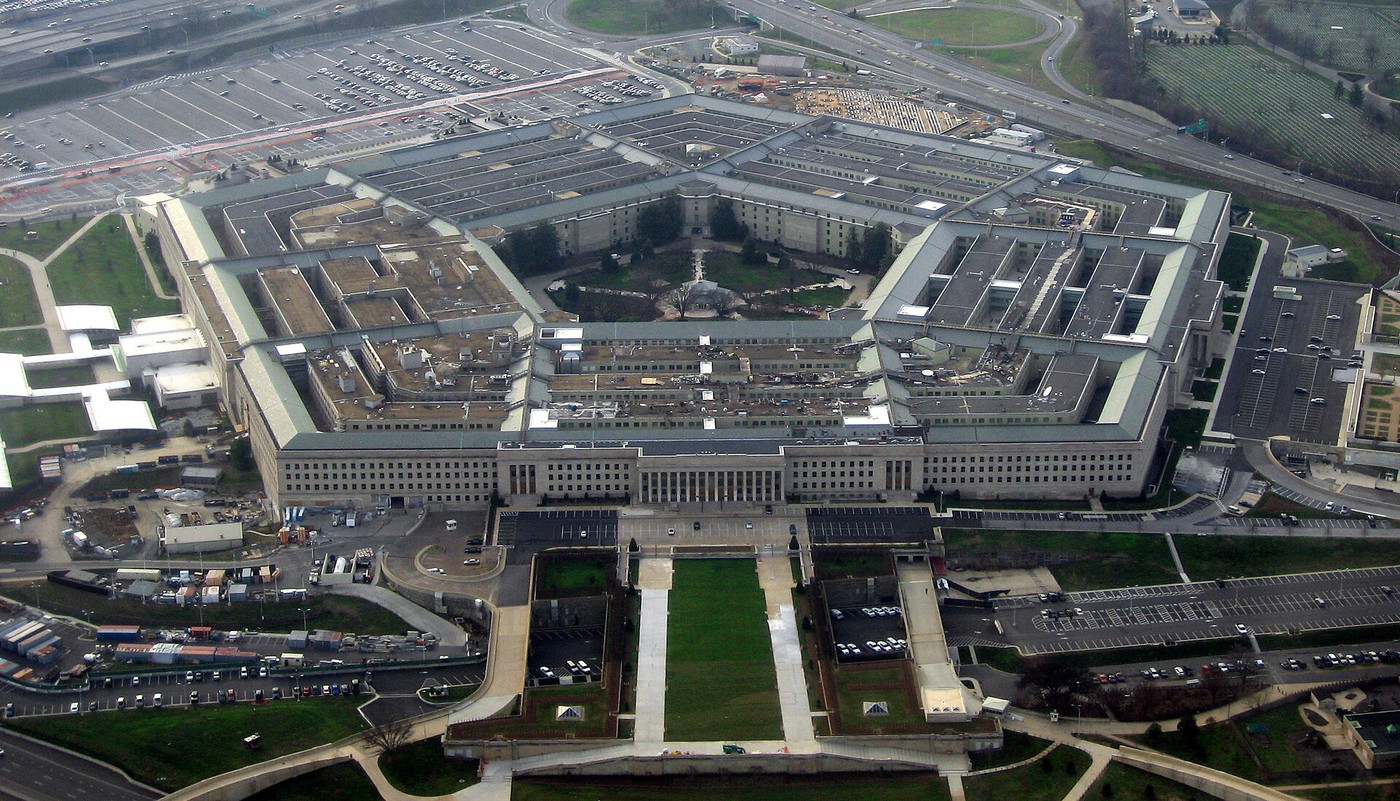
File photo: David B. Gleason from Chicago, IL (CC BY-SA 2.0), via Wikimedia Commons
The Pentagon told Congress the Iran war cost $47.1 billion through October 16, 2026, up from $37.5 billion in July; officials say it is understated.
What Happened
The war with Iran has cost the United States $47.1 billion through October 16, 2026, the Pentagon has told members of Congress, according to congressional officials quoted in reports on October 27 and 28. The new estimate, given to lawmakers on the national security committees, is more than 25% higher than the roughly $37.5 billion Defense Secretary Pete Hegseth cited in July. Congressional officials said the true figure is almost certainly higher, because it leaves out damage to American bases in the Middle East from Iranian missile and drone attacks, and about $1.5 billion for fuel and other costs that the administration has separately asked Congress to fund.
Key Facts
- The Pentagon's estimate of the Iran war's cost is $47.1 billion through October 16, 2026.
- US Central Command calculated about $29 billion to replace munitions used, $6.1 billion to replace lost equipment and $11.9 billion in extra operating costs.
- The Air Force has spent $7.6 billion, the Army $2.1 billion and the Navy $1.5 billion on operations, including deploying more than two dozen warships.
- Earlier estimates were about $37.5 billion in July and $43.6 billion in early September.
- The Congressional Budget Office estimated about $38 billion through August 1 and projected $2 billion to $3 billion more each month, depending on how intense the fighting is.
- Congress has not yet approved the administration's request for extra war funding.
Why It Matters
The new figure shows how quickly a modern war burns through money, and especially through weapons. More than 60% of the estimated cost is for replacing munitions, such as missiles and interceptors fired during the conflict. These are expensive, take time to build, and their stocks matter for other commitments the United States has around the world. A war that uses them up quickly affects military readiness well beyond the Middle East.
The cost is also becoming a political fight in Washington. The administration has asked Congress for extra money to pay for the war, and lawmakers have not passed it. Democrats want Hegseth to give a more detailed account of how the money has been spent. The fact that the estimate excludes damage to US bases and some fuel costs gives critics a reason to say the real bill is being understated.
The rising figures also show the war's pace. Between July and mid-October, the estimate climbed by nearly $10 billion, roughly in line with the Congressional Budget Office's projection of $2 billion to $3 billion a month. If the fighting continues at a similar level, the total could pass $50 billion within a few months.
For India and the rest of the world, the war matters mainly through energy and trade. The conflict has disrupted oil markets and shipping in the region, which affects fuel prices, inflation and the safety of the many Indians who live and work in the Gulf. The cost debate in Washington will help decide how long the United States can sustain operations at this level.
| Estimate | Date | Total cost |
|---|---|---|
| Defense Secretary to Congress | July 2026 | About $37.5 billion |
| Congressional Budget Office | Through August 1 | About $38 billion |
| Military estimate | Early September | $43.6 billion |
| Pentagon to Congress | Through October 16 | $47.1 billion |
Impact
Short-term: The new figure adds pressure on Congress to decide on the administration's extra funding request, and on the Pentagon to explain its spending in more detail.
Long-term: Replacing tens of billions of dollars in munitions will take years and will shape US defence budgets and weapons production. A prolonged war could also keep energy markets unsettled, affecting import-dependent economies such as India.
Who is affected: US taxpayers and lawmakers, the US armed forces, defence manufacturers, countries in the Gulf region and their workers, and energy-importing economies worldwide.
Key Takeaway
The Pentagon now puts the cost of the Iran war at $47.1 billion through mid-October, up more than a quarter since July, and congressional officials say even that figure leaves out major costs.
Questions and Answers
How much has the Iran war cost the United States so far?
The Pentagon told Congress the cost was $47.1 billion through October 16, 2026. Congressional officials say this is probably an underestimate.
What makes up the $47.1 billion?
About $29 billion to replace munitions, $6.1 billion to replace lost equipment and $11.9 billion in extra operating costs, according to US Central Command's calculation.
What is left out of the estimate?
Damage to US bases in the Middle East from Iranian missile and drone attacks, and about $1.5 billion for fuel and other costs the administration has asked Congress to fund separately.
How fast are war costs rising?
The estimate rose from about $37.5 billion in July to $43.6 billion in early September and $47.1 billion by mid-October. The Congressional Budget Office has projected $2 billion to $3 billion in extra costs each month.
Disclaimer: Prepared by the Peepals newsroom from publicly available sources with AI assistance. Information is accurate to the best of our knowledge at the time of publication and may change. Images may be representative. Not professional advice. Report an error via our contact page.
By Rohan Saluja, Geopolitics EditorCovers Geopolitics and more for Peepals Global. All stories by Rohan Saluja
Machenta raises record $40 million UK robotics seed for simulation-trained robots
The Pitt star Noah Wyle named People's 2026 Sexiest Man Alive
Get the day's stories in your inbox
Peepals Weekly: the week decoded, free. One email a week, unsubscribe in one click.
Rohan Saluja is a pen name of the Peepals Global Editorial Team, which researches, fact-checks and publishes every story. The portrait is an illustration.