
UNHCR before COP31: nearly 90 million displaced people face severe climate risk
 By Rohan SalujaGeopolitics Editor, Peepals Global
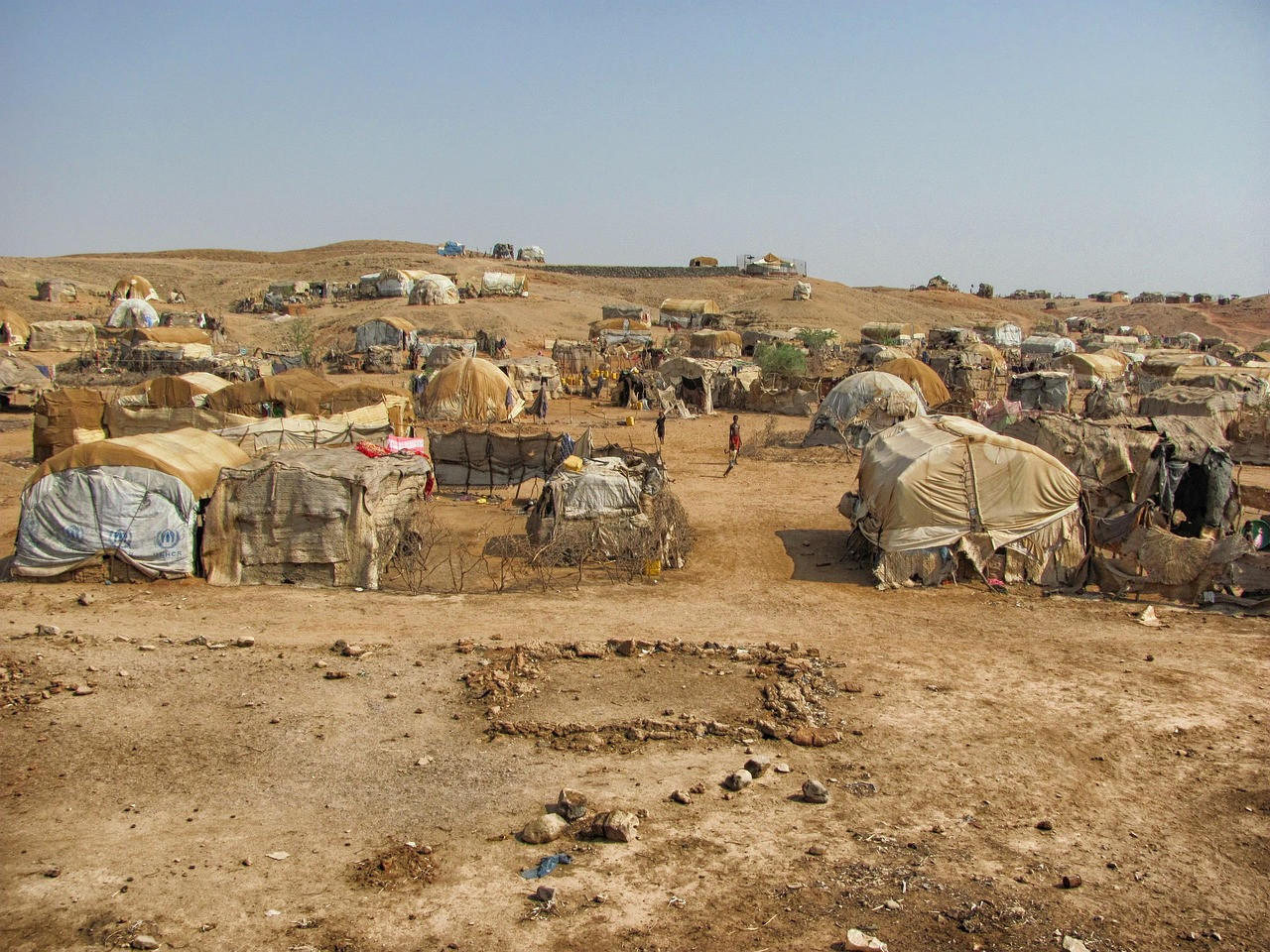
Representative image: 12019 / Pixabay
Ahead of COP31 in Antalya (9-20 November 2026), UNHCR said nearly 90 million displaced people, three in four worldwide, live in countries with high climate exposure.
What Happened
Nearly 90 million people who have been forced from their homes by war, persecution or disasters are living in countries highly exposed to climate hazards such as floods, droughts and extreme heat, the UN refugee agency UNHCR said in a report released on Thursday, 5 November 2026, ahead of the COP31 climate summit. That is about three in every four forcibly displaced people in the world as of mid-2026, the agency said. UNHCR also said that only about 10% of global climate finance reaches the fragile and conflict-affected countries that host large numbers of displaced people. COP31, the annual UN climate conference, takes place in Antalya, Türkiye, from Monday, 9 November to Friday, 20 November 2026.
Key Facts
- Scale: nearly 90 million forcibly displaced people live in countries with high to extreme exposure to climate hazards, according to UNHCR.
- Share: about three in four forcibly displaced people worldwide, as of mid-2026.
- Money gap: only about 10% of global climate finance reaches fragile and conflict-affected countries hosting many displaced people.
- Near-term warning: forecast El Niño conditions could bring severe flooding that displaces up to 3 million people in Somalia, Kenya, South Sudan and Uganda by the end of 2026, UNHCR said.
- Returns at risk: in Syria, where nearly four million displaced people have recently returned, recovery is threatened by falling groundwater and climate shocks, according to the report.
- UNHCR's ask at COP31: that governments and climate-finance institutions include displaced people in national climate plans and funding.
- Summit: COP31, Antalya, Türkiye, 9-20 November 2026.
Why It Matters
Climate change and displacement are usually discussed in separate rooms: one at climate summits, the other at humanitarian and refugee meetings. UNHCR's report is an attempt to bring them together just before the year's main climate negotiation. Its central point is that the people with the least protection, those already uprooted by conflict, are living in the places most exposed to climate shocks, and are the least likely to benefit from the money meant to help countries adapt.
The finance figure is the sharpest part of the argument. Climate finance, the money rich countries and institutions provide to help poorer ones cut emissions and adapt, tends to flow to stable countries that can manage projects and repay loans. Fragile and conflict-hit states struggle to qualify. UNHCR's estimate that only about a tenth reaches them suggests that adaptation money is bypassing the places where displaced families live in camps, informal settlements and overcrowded towns.
For India, the issue is relevant on two fronts. As a developing country taking part in the COP negotiations, India has a direct stake in decisions on how much climate finance flows from developed countries and who receives it. South Asia also faces many of the hazards the report describes, including floods, heat and drought, which already force people to move within their countries.
Peepals calculation: If nearly 90 million people make up about three-quarters of the world's forcibly displaced, the total forcibly displaced population implied by UNHCR's figures is roughly 120 million (90 ÷ 0.75 = 120). Put the other way, about one in four displaced people, around 30 million, live in countries with lower climate exposure. With only about 10% of climate finance reaching fragile and conflict-hit host countries, roughly nine of every ten climate-finance dollars go elsewhere. Our calculation from the reported figures.
Impact
Short-term: UNHCR will press governments at COP31 to count displaced people in their climate plans and in decisions on adaptation funding. In East Africa, agencies are preparing for possible El Niño flooding before the end of 2026.
Long-term: If displaced people are written into national climate plans, they could become eligible for adaptation projects such as flood defences, water supply and heat protection in the areas where they live. If not, the gap between where climate money goes and where risk is highest is likely to widen.
Who is affected: refugees and internally displaced people in climate-exposed countries; host governments in fragile states; climate negotiators at COP31, including India's; and donors and climate-finance institutions deciding where adaptation money goes.
What to watch next: COP31 in Antalya from 9 to 20 November 2026, and whether its decisions on adaptation finance mention displaced people.
Key Takeaway
UNHCR says nearly 90 million displaced people, three in four worldwide, live in countries highly exposed to climate hazards, while only about 10% of climate finance reaches the fragile states that host many of them.
Questions and Answers
What did UNHCR say before COP31?
In a report released on 5 November 2026, UNHCR said nearly 90 million forcibly displaced people, about three in four worldwide, live in countries with high to extreme exposure to climate hazards, and that only about 10% of climate finance reaches fragile and conflict-affected host countries.
When and where is COP31?
COP31, the UN climate conference, is being held in Antalya, Türkiye, from 9 to 20 November 2026.
Which countries could see climate displacement soon, according to UNHCR?
UNHCR warned that El Niño-related flooding could displace up to 3 million people in Somalia, Kenya, South Sudan and Uganda by the end of 2026.
What does UNHCR want from COP31?
It wants governments and climate-finance institutions to include displaced people in national climate plans and in funding decisions.
Disclaimer: Prepared by the Peepals newsroom from publicly available sources with AI assistance. Information is accurate to the best of our knowledge at the time of publication and may change. Images may be representative. Not professional advice. Report an error via our contact page.
By Rohan Saluja, Geopolitics EditorCovers Geopolitics and more for Peepals Global. All stories by Rohan Saluja
Other Worlds: Stranger Things prequel set in 1950s coming to Netflix in 2028
Astrolab LUMIS: US start-up plans solar-powered 5G, power nodes on Moon
Get the day's stories in your inbox
Peepals Weekly: the week decoded, free. One email a week, unsubscribe in one click.
Rohan Saluja is a pen name of the Peepals Global Editorial Team, which researches, fact-checks and publishes every story. The portrait is an illustration.