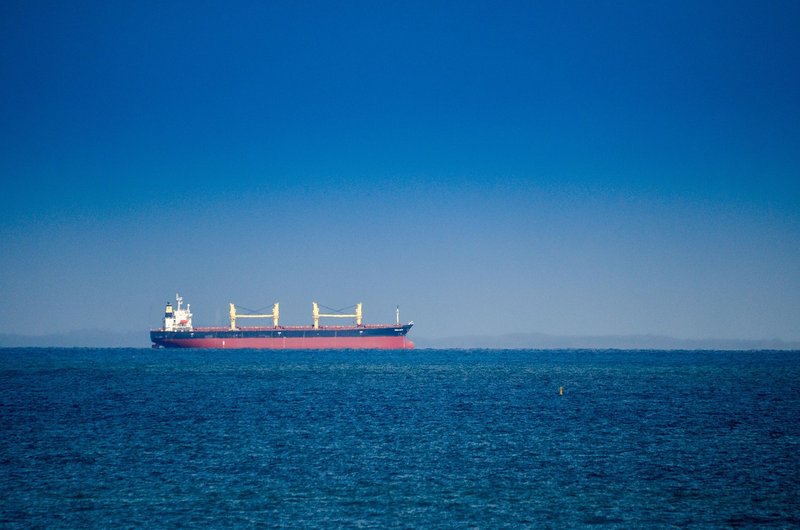

Oleshky ceasefire: Russia, Ukraine to pause fire for civilian evacuation
 By Rohan SalujaGeopolitics Editor, Peepals Global
Representative image: AliceKeyStudio / Pixabay
Russia and Ukraine plan to halt fire in occupied Oleshky from October 27, 2026 to evacuate civilians, in a local truce the White House credits to Melania Trump.
What Happened
Russia and Ukraine have agreed to halt military action around Oleshky, a Russian-occupied town in Ukraine's southern Kherson region, so that aid can reach trapped civilians and those who wish to leave can be evacuated. Both militaries said the local ceasefire would begin early on Tuesday, October 27, 2026: at 4 a.m. Moscow time on the Russian side and 3 a.m. Kyiv time on the Ukrainian side, which is the same moment. The White House announced the deal on Friday, October 23, saying First Lady Melania Trump had brokered it, and gave October 29 as the start date.
Key Facts
- Scope: a ceasefire limited to the town of Oleshky, not a wider truce in the war.
- Purpose: to deliver humanitarian aid and evacuate civilians through designated safe routes, according to the White House.
- Start: 4 a.m. Moscow time and 3 a.m. Kyiv time on October 27, according to Russian and Ukrainian officials; the White House statement gave October 29.
- Broker: the White House said Melania Trump acted as the "exclusive intermediary" with Russian and Ukrainian leaders.
- Kremlin spokesman Dmitry Peskov said all civilians wishing to leave would be allowed to, and that the evacuation would take at least several days.
- Ukrainian President Volodymyr Zelensky said negotiators would meet next month for new peace talks.
- On October 26, Russia's Defence Ministry said Ukraine had struck Oleshky repeatedly with artillery and drones; the claim could not be independently verified, and there was no immediate response from Ukraine.
Why It Matters
Oleshky lies on the left, or eastern, bank of the Dnipro River, across from the city of Kherson, in an area held by Russian forces. Getting aid in and people out has meant crossing an active front line, which is why both armies have to agree before anyone can move safely. One estimate cited in reports puts the number of people still in the town at between 1,500 and 1,700.
The deal is small in size but unusual in form. It is a humanitarian pause for one place, not a step towards ending the war, and it was brokered through a channel that is rarely used in diplomacy: the US First Lady's office. One report said Pope Leo also helped broker the arrangement. Local ceasefires of this kind are hard to keep, because each side must trust that the other will not use the quiet to move troops or strike. Zelensky has stressed that roads must be cleared of mines before civilians can be moved safely, and Russia's claims about recent Ukrainian shelling show how fragile the arrangement is even before it begins.
For the wider war, the significance lies in the follow-up. Zelensky's statement that peace negotiators will meet next month suggests both sides are keeping a diplomatic track open, even as fighting and long-range strikes continue elsewhere. A successful evacuation in Oleshky could become a model for similar pauses in other front-line towns; a failure would deepen mistrust.
| Point | What has been said |
|---|---|
| Start time | 27 Oct, 4 a.m. Moscow / 3 a.m. Kyiv (both militaries) |
| White House date | 29 Oct |
| Where people may go | To Russia or Ukraine, by choice |
| Duration of evacuation | At least several days (Kremlin) |
Impact
Short-term: If the ceasefire holds from October 27, aid teams can reach residents, and civilians who want to leave can be moved out over several days. Any violation in the first hours would put the whole plan at risk.
Long-term: A working local truce could build some trust before the next round of peace talks, and could be copied in other towns along the front. It would not change the control of territory or end the wider fighting.
Who is affected: Civilians still living in Oleshky; humanitarian and evacuation teams from both countries; Russian and Ukrainian forces on both banks of the Dnipro; and governments pressing for a negotiated end to the war.
Key Takeaway
A one-town ceasefire in Oleshky from October 27 aims to let trapped civilians leave, but it is a humanitarian pause, not a step that ends the war.
Questions and Answers
What is the Oleshky ceasefire?
It is a local agreement between Russia and Ukraine to stop military action around Oleshky, an occupied town in the Kherson region, so that aid can be delivered and civilians who want to leave can be evacuated.
When does the Oleshky ceasefire start?
Russian and Ukrainian officials said it starts at 4 a.m. Moscow time, or 3 a.m. Kyiv time, on October 27, 2026. The White House statement of October 23 gave October 29.
What role did Melania Trump play?
The White House said the First Lady initiated the talks and acted as the exclusive intermediary with Russian and Ukrainian leaders to set the ceasefire's terms.
Does this mean the Russia-Ukraine war is ending?
No. The ceasefire covers only Oleshky and is for humanitarian purposes. Zelensky has said separate peace talks will take place next month.
Disclaimer: Prepared by the Peepals newsroom from publicly available sources with AI assistance. Information is accurate to the best of our knowledge at the time of publication and may change. Images may be representative. Not professional advice. Report an error via our contact page.
By Rohan Saluja, Geopolitics EditorCovers Geopolitics and more for Peepals Global. All stories by Rohan Saluja
Rohan Saluja is a pen name of the Peepals Global Editorial Team, which researches, fact-checks and publishes every story. The portrait is an illustration.