
Saudi Arabia reopens Riyadh airport as Houthi missiles target capital
 By Rohan SalujaGeopolitics Editor, Peepals Global
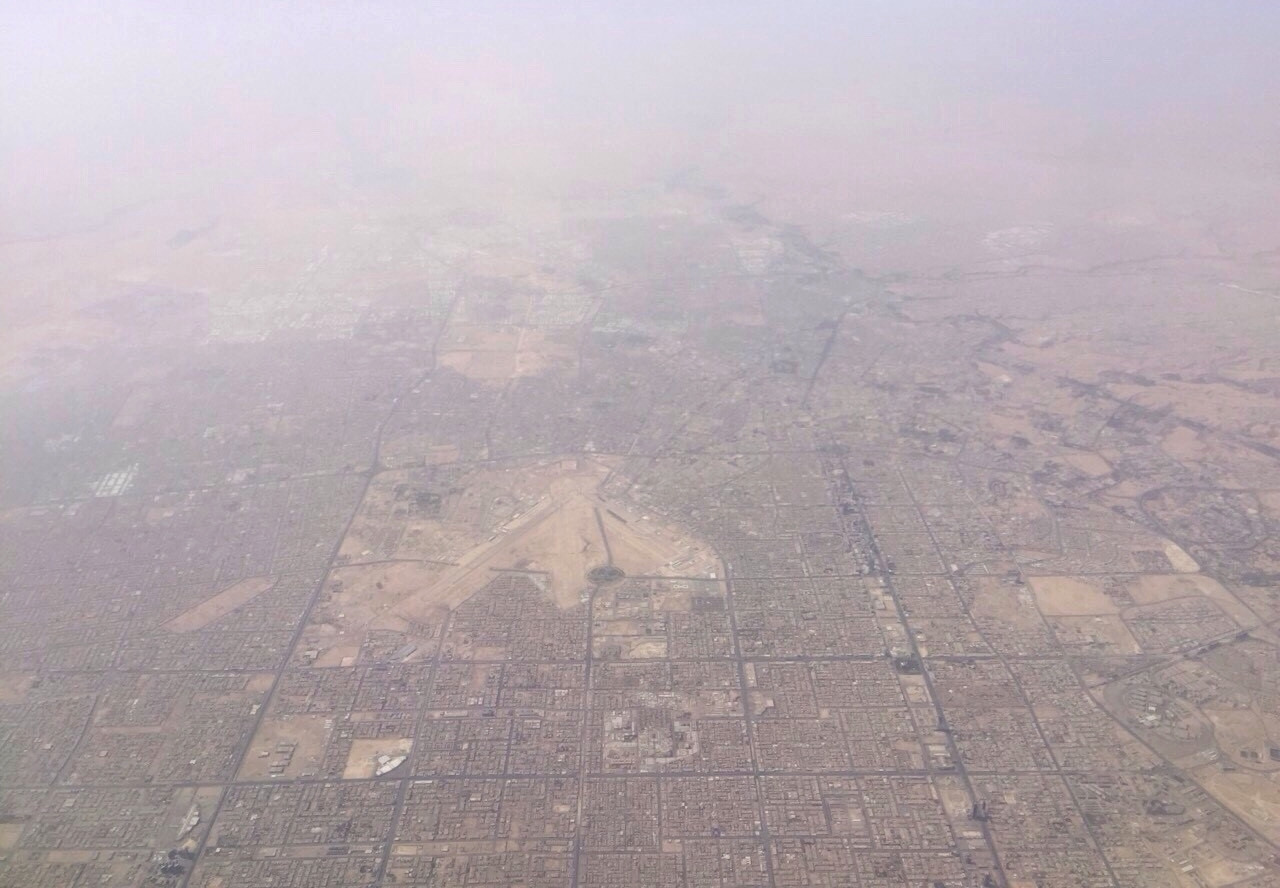
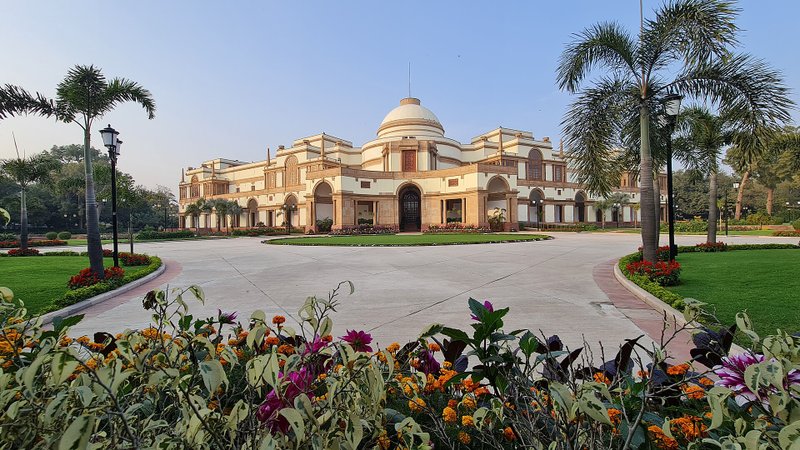
File photo: Vanquish0 (CC BY-SA 4.0), via Wikimedia Commons
Riyadh's King Khalid airport partly reopened on October 25, 2026, after a two-week shutdown as Saudi forces intercepted Houthi missiles and drones.
What Happened
Saudi Arabia partly reopened King Khalid International Airport in Riyadh on Sunday, October 25, 2026, two weeks after a Houthi-claimed attack shut it down, even as explosions were heard over the capital the same morning. The Saudi military said it intercepted one ballistic missile and two drones fired by Yemen's Houthi movement towards Riyadh, and the Houthis declared the airport a military target, warning airlines and travellers to stay away. For Indian travellers, IndiGo's Riyadh flights remain cancelled until October 31, according to the Indian Embassy in Riyadh.
Key Facts
- King Khalid International Airport resumed operations at two terminals on October 25, 2026: Terminal 1 for domestic flights and Terminal 2 for international flights on national carriers.
- The airport had been closed since October 10, after an attack claimed by the Houthis that killed 13 people.
- Three explosions were heard in Riyadh early on October 25, and residents received a safety alert warning of a "hostile air threat".
- The Saudi military said it intercepted one ballistic missile and two drones launched by the Houthis towards the capital.
- Flight-tracking data showed thin traffic, with about 60% of scheduled passenger flights that morning cancelled.
- Houthi military spokesperson Yahya Saree said the airport would "never be safe"; the group said it had launched dozens of ballistic missiles in three attacks on the kingdom that day.
- The Indian Embassy in Riyadh said IndiGo's Riyadh flights would stay cancelled until October 31, and its Jeddah, Dammam and Madinah flights until October 27.
Why It Matters
The reopening is a test of whether Saudi Arabia can restore normal life in its capital while under sustained missile and drone attack. Riyadh's main airport is one of the busiest hubs in the Gulf, and keeping it shut was a heavy cost for the kingdom's economy, its tourism ambitions and its image as a safe place to do business. Reopening it, even partly and with most early flights cancelled, signals that Saudi authorities believe their air defences can protect it. The Houthis' response, calling the airport a legitimate target and promising it would never be safe, shows that the group intends to keep up the pressure.
For India, the stakes are direct. Saudi Arabia is home to one of the largest communities of Indian workers abroad, and flights between Indian cities and Riyadh, Jeddah and Dammam are among the busiest international routes for Indian airlines. The closure of Riyadh's airport and the security situation have already forced Indian carriers to suspend services. The Indian Embassy's advisory that IndiGo will not fly to Riyadh until at least October 31 means that families, workers returning from leave and business travellers will face more delays even though the airport is technically open.
There is also an economic dimension. Attacks on Saudi Arabia raise worries about the security of the Gulf's oil supplies, and oil prices have been high in recent weeks amid tensions in the region. As a large importer of crude oil, India feels instability in the Gulf through fuel costs, inflation and the rupee.
Reports on the status of other Indian airlines differ. Some accounts give later restart dates for Air India and Air India Express services to Saudi cities, while others have not confirmed any change, so travellers should check directly with their airline before planning a journey.
Riyadh airport reopening: what we know Item | Status on October 25, 2026 Terminals open | Terminal 1 (domestic), Terminal 2 (international, national carriers) Morning flights cancelled | About 60% Attack on the city | One ballistic missile and two drones intercepted, Saudi military said IndiGo to Riyadh | Cancelled until October 31, Indian Embassy said
Impact
Short-term: Flights in and out of Riyadh will remain limited and vulnerable to sudden disruption as long as attacks continue. Indian travellers face cancellations at least until the end of October on IndiGo's Riyadh route.
Long-term: A prolonged conflict between Saudi Arabia and the Houthis would keep pressure on Gulf aviation, shipping and energy markets, with knock-on effects for countries like India that depend on the region for oil and for jobs for millions of their citizens.
Who is affected: Residents and travellers in Riyadh; airlines serving Saudi Arabia, including Indian carriers; Indian workers and their families who travel between India and the kingdom; and energy importers, India among them, exposed to Gulf instability.
Key Takeaway
Riyadh's main airport partly reopened on October 25 despite fresh Houthi missile and drone attacks on the Saudi capital, but IndiGo's flights to Riyadh stay cancelled until October 31.
Questions and Answers
Is Riyadh airport open after the Houthi attacks in Saudi Arabia?
Partly. King Khalid International Airport resumed operations at two terminals on October 25, 2026, after a two-week closure, but about 60% of scheduled flights that morning were cancelled.
What happened in Riyadh on October 25, 2026?
Explosions were heard in the city and residents got a "hostile air threat" alert. The Saudi military said it intercepted one ballistic missile and two drones launched by the Houthis towards the capital.
Are Indian flights to Saudi Arabia running?
According to the Indian Embassy in Riyadh, IndiGo's Riyadh flights are cancelled until October 31 and its Jeddah, Dammam and Madinah flights until October 27. Reports on other Indian airlines differ, so travellers should check with their airline.
Why was Riyadh airport closed?
It shut on October 10 after an attack claimed by the Houthis that killed 13 people.
Disclaimer: Prepared by the Peepals newsroom from publicly available sources with AI assistance. Information is accurate to the best of our knowledge at the time of publication and may change. Images may be representative. Not professional advice. Report an error via our contact page.
By Rohan Saluja, Geopolitics EditorCovers Geopolitics and more for Peepals Global. All stories by Rohan Saluja
Wildwood: Laika's stop-motion film debuts third, ties its best CinemaScore
Next James Bond: final screen tests begin, Lowden and Turner in frame
Rohan Saluja is a pen name of the Peepals Global Editorial Team, which researches, fact-checks and publishes every story. The portrait is an illustration.