
Falklands Sea Lion oil dispute: Argentina threatens Rockhopper chief with jail
 By Rohan SalujaGeopolitics Editor, Peepals Global
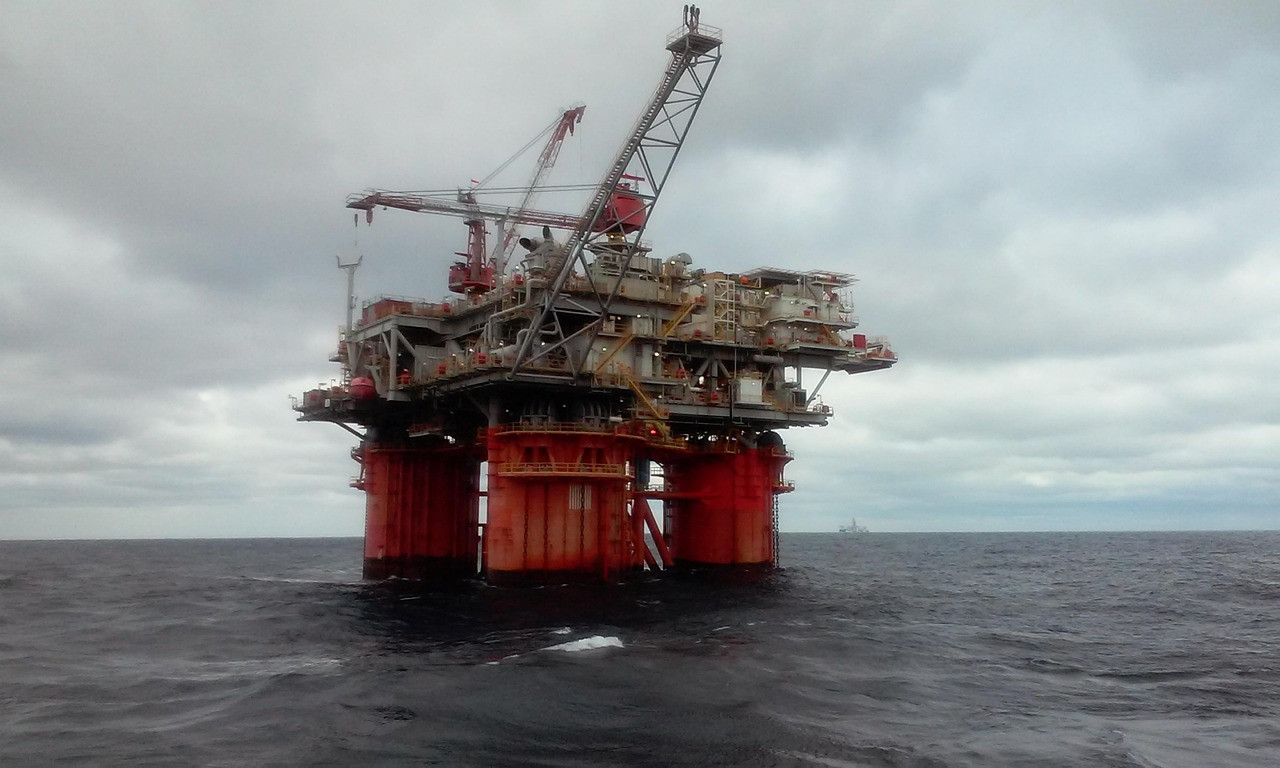
Representative image: keridjackson / Pixabay
Argentina asked a UN sea tribunal on 10-11 November 2026 to halt the Falklands Sea Lion oil project and threatened Rockhopper's chief with jail.
What Happened
Argentina has asked the International Tribunal for the Law of the Sea (ITLOS) in Hamburg to order Britain to halt the Sea Lion oil project north of the Falkland Islands, and the dispute sharpened this week when it emerged that Buenos Aires had threatened the head of a British oil company with prosecution and jail. The tribunal heard both sides on Tuesday and Wednesday, 10 and 11 November 2026. In a witness statement filed by the UK, Sam Moody, chief executive of Rockhopper Exploration, one of the two companies behind the project, said he and the company's chief financial officer had received letters this autumn threatening criminal prosecution, imprisonment and fines under Argentine law. A ruling on Argentina's request for emergency measures is provisionally expected on 28 November.
Key Facts
- Argentina filed its request for provisional measures on 13 October 2026 under Article 290(5) of the UN Convention on the Law of the Sea.
- It asks the tribunal to order the UK to prevent the start or continuation of oil production in the North Malvinas basin by the Sea Lion project.
- Hearings took place on 10 and 11 November 2026 in Hamburg; a decision is provisionally expected on 28 November.
- Sea Lion is owned 65% by Israel's Navitas Petroleum, the operator, and 35% by UK-listed Rockhopper Exploration.
- The partners took the final investment decision on Phase 1 in December 2025 and are targeting first oil in 2028.
- Funding needs are $1.8 billion to first oil and $2.1 billion to completion, including $1.0 billion of senior debt.
- Argentina has passed domestic legislation that makes taking part in the project a criminal offence.
Why It Matters
The Falklands, which Argentina calls the Malvinas, are a British-run territory whose sovereignty Argentina disputes, and that unresolved claim is the backdrop to every development there. Oil has added a commercial edge to that quarrel. Sea Lion, discovered in 2010, was the islands' first commercial oil find, but it stalled for years because of the remote location and legal problems. Navitas joined in 2020 and became operator and majority owner the next year, and the project was finally approved in December 2025.
Argentina's case rests on the argument that Britain cannot lawfully allow drilling in waters whose sovereignty is disputed, and it wants a temporary suspension while the wider dispute goes to arbitration. Britain's position is that the tribunal has no authority over what is, at its core, a sovereignty dispute. At the hearing, the UK's Attorney General, Ellie Reeves, told the judges that billions of pounds crucial to the islands' future would be lost if the project were blocked. London had already rejected Argentina's request in full in a written response delivered on 2 November.
The jail threat moves the conflict from diplomacy to individuals. Letters warning company executives of prosecution and imprisonment are designed to raise the personal and legal risk of working on the project, and could deter contractors, lenders and service companies that also do business in Argentina. Argentina has used such pressure before: in 2022 its energy ministry barred Navitas from operating in Argentina for 20 years.
For other countries, including India, the case is a test of how far international maritime courts will go in cases where resource development and unresolved territorial claims overlap, a question that also arises in other disputed seas.
Peepals calculation: Senior debt of $1.0 billion covers just under half of the $2.1 billion needed to complete the project (1.0 ÷ 2.1 ≈ 0.48); the rest is to come from the partners' equity and from cash after first oil. Rockhopper's $350 million share of the debt equals its 35% stake in the field (350 ÷ 1,000 = 0.35). Our calculation from the reported figures.
Peepals timeline: 2010 – Sea Lion discovered. 2020 – Navitas invests; 2021 – it becomes operator. 10 December 2025 – final investment decision on Phase 1. 13 October 2026 – Argentina files at ITLOS. 2 November 2026 – UK rejects the request in writing. 10–11 November 2026 – hearings in Hamburg. 28 November 2026 – ruling provisionally expected. 2028 – target for first oil.
Impact
Short-term: The tribunal's decision on emergency measures will show whether work on Sea Lion can continue while the wider case proceeds. The threats against executives add pressure on suppliers and lenders to the project.
Long-term: If production starts, oil revenue could transform the finances of the Falkland Islands. A ruling either way will shape how future resource projects in disputed waters are challenged.
Who is affected: The governments of Argentina, the UK and the Falkland Islands; Navitas, Rockhopper and their staff, lenders and contractors; and islanders whose economy could be changed by oil income.
What to watch next: The ITLOS ruling on provisional measures, provisionally expected on 28 November 2026.
Key Takeaway
Argentina is asking a UN sea-law tribunal to freeze the Falklands' Sea Lion oil project and has threatened executives with jail, while Britain says the court has no say over a sovereignty dispute.
Questions and Answers
What is the Falkland Islands Sea Lion oil dispute about?
Argentina says Britain cannot lawfully allow oil production in waters whose sovereignty it disputes, and has asked the International Tribunal for the Law of the Sea to order the Sea Lion project halted. Britain rejects the request.
Did Argentina threaten oil executives with jail?
Rockhopper Exploration's chief executive, Sam Moody, said in a UK witness statement that he and the company's finance chief received letters this autumn threatening prosecution, imprisonment and fines under Argentine law.
Who owns the Sea Lion project?
Israel's Navitas Petroleum owns 65% and operates it; Rockhopper Exploration owns 35%. First oil is targeted for 2028.
When will the tribunal decide?
Hearings were held on 10 and 11 November 2026, and a decision on Argentina's request is provisionally expected on 28 November.
Disclaimer: Prepared by the Peepals newsroom from publicly available sources with AI assistance. Information is accurate to the best of our knowledge at the time of publication and may change. Images may be representative. Not professional advice. Report an error via our contact page.
By Rohan Saluja, Geopolitics EditorCovers Geopolitics and more for Peepals Global. All stories by Rohan Saluja
Get the day's stories in your inbox
Peepals Weekly: the week decoded, free. One email a week, unsubscribe in one click.
Rohan Saluja is a pen name of the Peepals Global Editorial Team, which researches, fact-checks and publishes every story. The portrait is an illustration.